Is My Term Sheet Market Standard?

Scale & Grow Partner Mountside Ventures are Europe's leading accelerator and early-stage advisory firm, optimising all levels of the Venture value chain - from Startups to Funds & Limited Partners.
Is My Term Sheet Market Standard?
Understanding term sheet norms is essential for founders navigating a venture round. While every deal is different, knowing what’s typical across the market helps entrepreneurs negotiate from a position of clarity and confidence.
Based on data from over 200 VC firms and more than 1,000 investments, this guide highlights what’s considered “market standard” for early-stage term sheets in 2024.
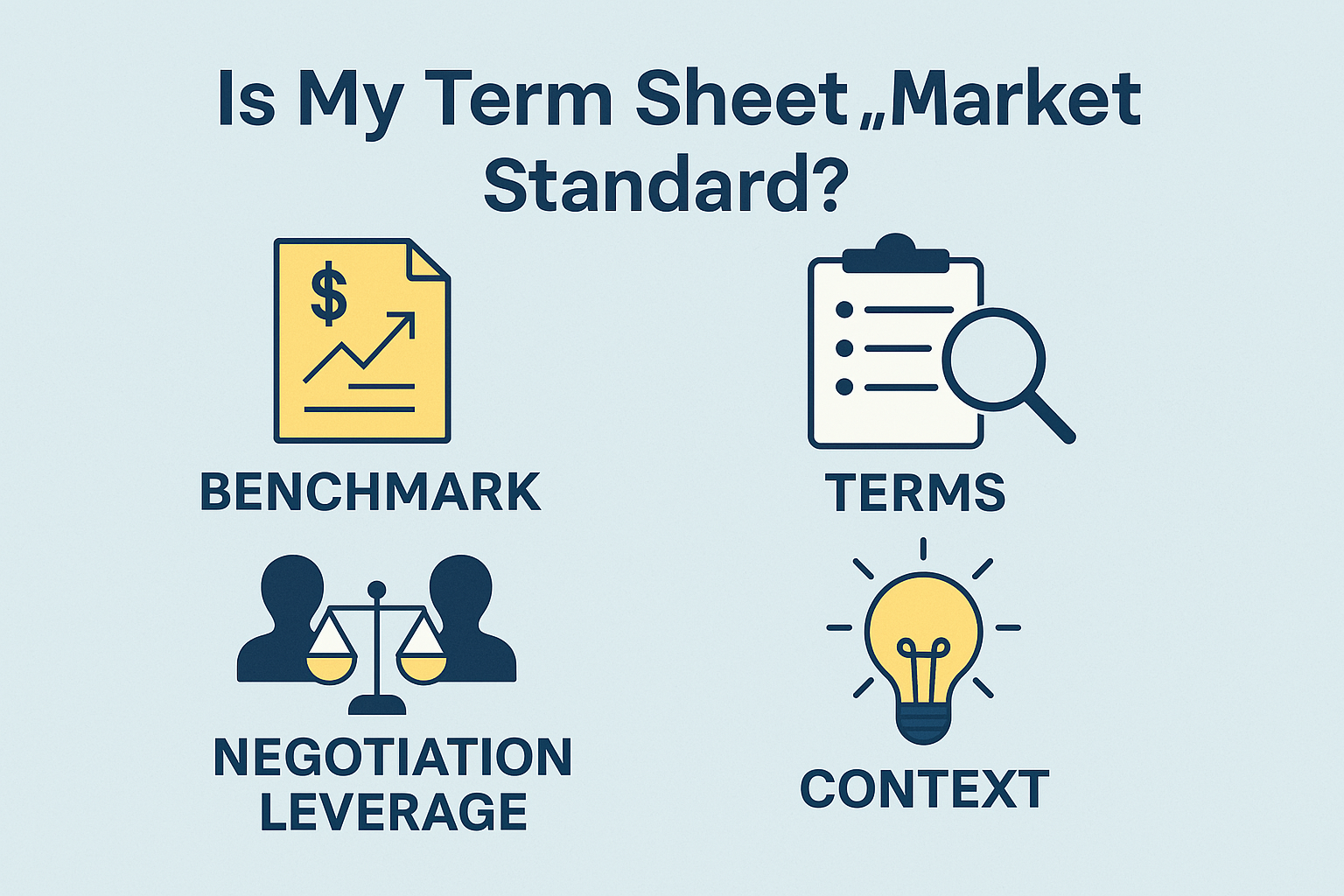
Why This Matters
Term sheets lay the legal and financial groundwork for investment. They define how power, risk, and reward are shared between founders and investors. But the language can be complex—and not all terms are founder-friendly.
Having benchmark data allows founders to:
Spot red flags or overly aggressive clauses
Prioritise what to negotiate
Understand which terms are non-negotiable vs. flexible
Key Market Norms to Know
📄 Share Class
80% of investors issue preference shares (not ordinary shares)
The standard is 1x non-participating liquidation preference
Only 14% use participating preferences
📈 Valuations
Pre-money valuations have more than tripled over the last decade
Between 2011–2021, the average rose from £6m to £29m
Recent market shifts are yet to be fully reflected in public data
💰 Investor Fees
70% of investors recharge deal fees to the company
Common one-off fees: legal, financial, or technical due diligence
VCs typically charge 1–2%, while EIS/VCT funds may charge 5–7%
🧑💼 Board Rights
80% of investors expect a board seat if leading the round
Board Reserved Matters (veto rights) are standard
⏳ Founder Vesting
98% of investors require some founder share vesting
The most common schedule: 4 years with a 1-year cliff
🧾 Share Option Pools
“Market standard” = 5–10% of total equity
57% ask for this range; 32% ask for 10–15%
VCs want to ensure there's enough to attract future talent
🤐 Exclusivity
35% of term sheets include a 4-week exclusivity period
This is a binding term to prevent parallel fundraising
⏱ Deal Timelines
Most VCs expect to complete legal/diligence in 8–12 weeks
Smaller cheques may close faster (2–3 weeks)
Common Founder Pain Points
Founders often face friction in three areas:
Lack of differentiation: Investors struggle when founders can’t clearly articulate what makes them different
Weak relationship-building: Long-term engagement often begins well before the first raise
Omissions or overclaims: Investors value honesty over polish—be upfront about risks, turnover, or underperformance
Summary: Be Prepared, Not Surprised
While every term sheet is bespoke, understanding what’s normal arms founders with the knowledge to negotiate effectively. Founders don’t need to accept every clause, but they do need to know where the benchmarks lie.
This guide provides a starting point—not legal advice. Engage legal counsel, but come to the table informed.