The Rise of Alternative Lending: A Guide to Revenue-Based Finance (RBF)

Scale & Grow Partner Mountside Ventures is a leading accelerator and early-stage advisory firm, optimising all levels of the Venture value chain - from Startups to Funds & Limited Partners.
The Rise of Alternative Lending: A Guide to Revenue-Based Finance (RBF)
Revenue-based finance (RBF) has emerged as a flexible, founder-friendly alternative to traditional loans and equity financing. While RBF has long been used in industries like energy and entertainment, it's increasingly being adopted by early-stage tech and digital businesses looking to fuel growth without giving away equity or taking on restrictive debt.
What Is Revenue-Based Finance?
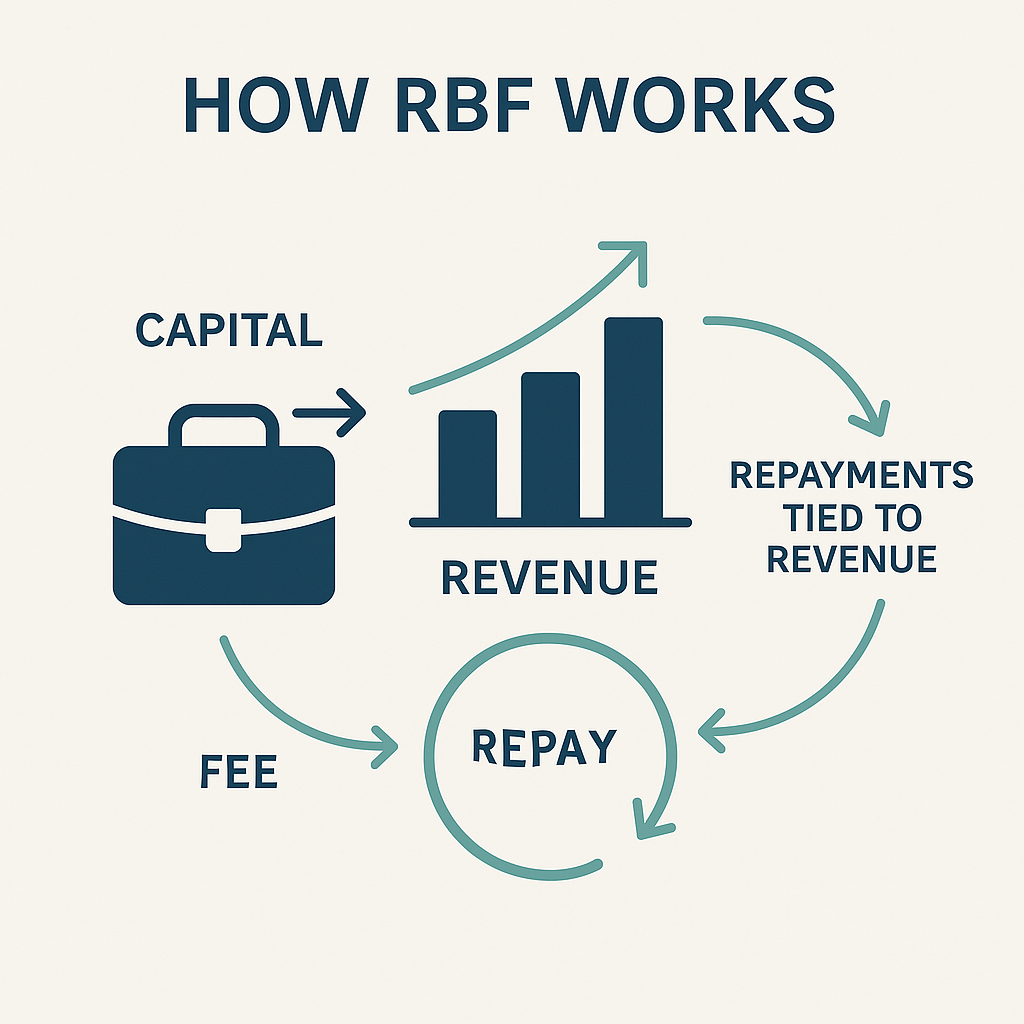
RBF is a form of funding where a business receives capital in exchange for a fixed percentage of future revenue, until the loan, plus a pre-agreed fee, is repaid. Unlike bank loans or venture capital, RBF typically doesn’t involve equity dilution, personal guarantees, or fixed repayment dates.
Repayments flex with revenue, which makes it especially appealing to early-stage companies with recurring revenue but uneven cash flow.
Who Is Eligible?
Eligibility criteria vary slightly by provider, but businesses typically need to meet the following:
Monthly revenue of at least £20,000
9+ months of consistent revenue data
Positive unit economics
A clear plan for how the funding will be used
At least 6 months of runway
Most RBF providers will conduct a data-led diligence process, usually involving integration with systems like accounting software, CRM, and payment platforms.
How Does It Work?
Funding is based on a company’s historical and projected revenue. Repayments are made monthly as a percentage of revenue, allowing founders to preserve cash in slower periods.
There are two main models:
Capped repayment: The business repays the principal plus a multiple (e.g. 1.5x to 2.5x).
Fixed fee: A flat fee is added to the principal, often between 6–12%.
Example:
A company with £50,000 in monthly revenue borrows £100,000.
Under a capped model at 1.25x, total repayment = £125,000.
Under a fixed fee of 10%, total repayment = £110,000.
The agreed percentage of revenue (e.g. 5–10%) is deducted monthly until the total is repaid.
Key Benefits
Fast access to capital: Many providers can complete the process in days.
Flexible repayments: Payments adjust with revenue performance.
No equity dilution: Founders retain full ownership and control.
Transparent terms: No hidden fees or complex instruments.
Challenges and Considerations
Higher costs than bank loans: Particularly under capped repayment models.
Complexity: Contracts can involve detailed calculations or revenue-sharing terms.
Lower capital ceiling: Typical RBF deals range from £10k to £1m.
Variable structures: Terms, fees and conditions can vary widely between providers.
As with any funding decision, founders should fully understand the repayment structure and obligations—including potential exit fees or covenants.
Market Trends
While RBF gained traction as a flexible funding tool, market volatility has seen some providers scale back. Still, the model remains popular among high-growth businesses with predictable revenue and no appetite for dilution or board interference.
Summary: Is RBF Right for You?
Revenue-based finance is well suited for:
Digital businesses with recurring or predictable revenue
Companies seeking to extend runway without raising equity
Founders who want to avoid dilution or maintain full control
It’s not suitable as emergency capital or for businesses with volatile or unproven revenue streams. For the right business, however, RBF offers a fast, flexible way to fund growth without giving up equity.