The Human ROI: Why Story Is the Engine That Earns Attention
The best fintech stories make the technology invisible. Here is how marketing leaders turn complex products into a single human truth that customers actually remember.
Fintech loves to get geeky. The conversation defaults to APIs, data sets and cloud architecture, and the assumption is that the most impressive specification wins. The most successful firms tend to do the opposite. They strip the technical detail away and build everything around a single, human truth.
Narrative is the connective tissue between a complex product and a loyal customer base. And the test for whether you have found yours is brutally simple: if you cannot explain your product clearly, you probably do not understand its value yet.
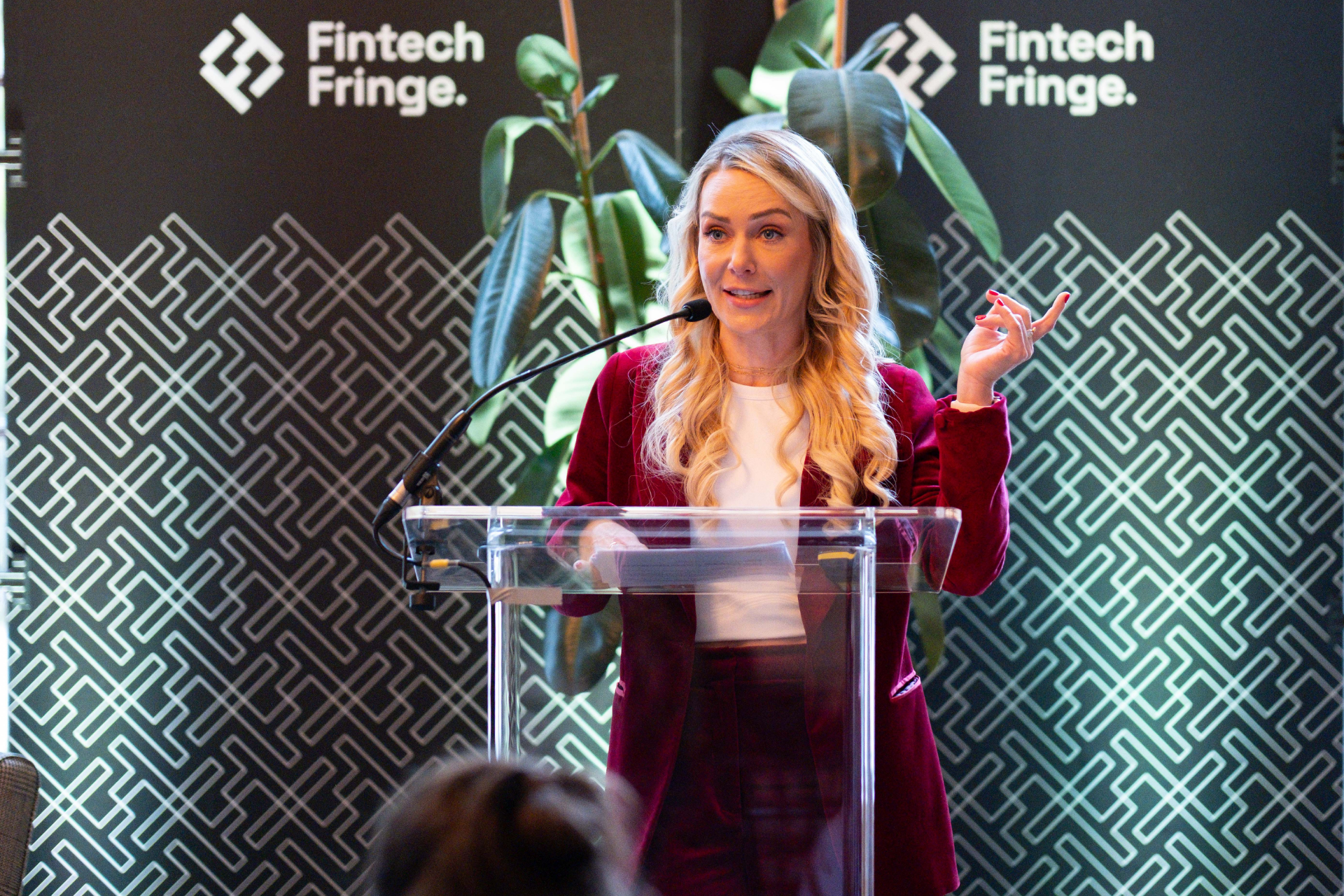
“My favourite test is the Mum’s Test. If you can explain your business to your mother in a simple story and she genuinely gets it, that is successful marketing. Storytelling helps us simplify some of the most complex products we have to sell and bridge that gap between technical capability and user needs.”
Jana Straiton, Founder & MD, Renegade Marketing
The lawnmower principle: solving for the “so what”
A recurring danger is falling in love with your own engineering. The fix is a question that cuts through every feature list and asks what the customer actually gets out of it.
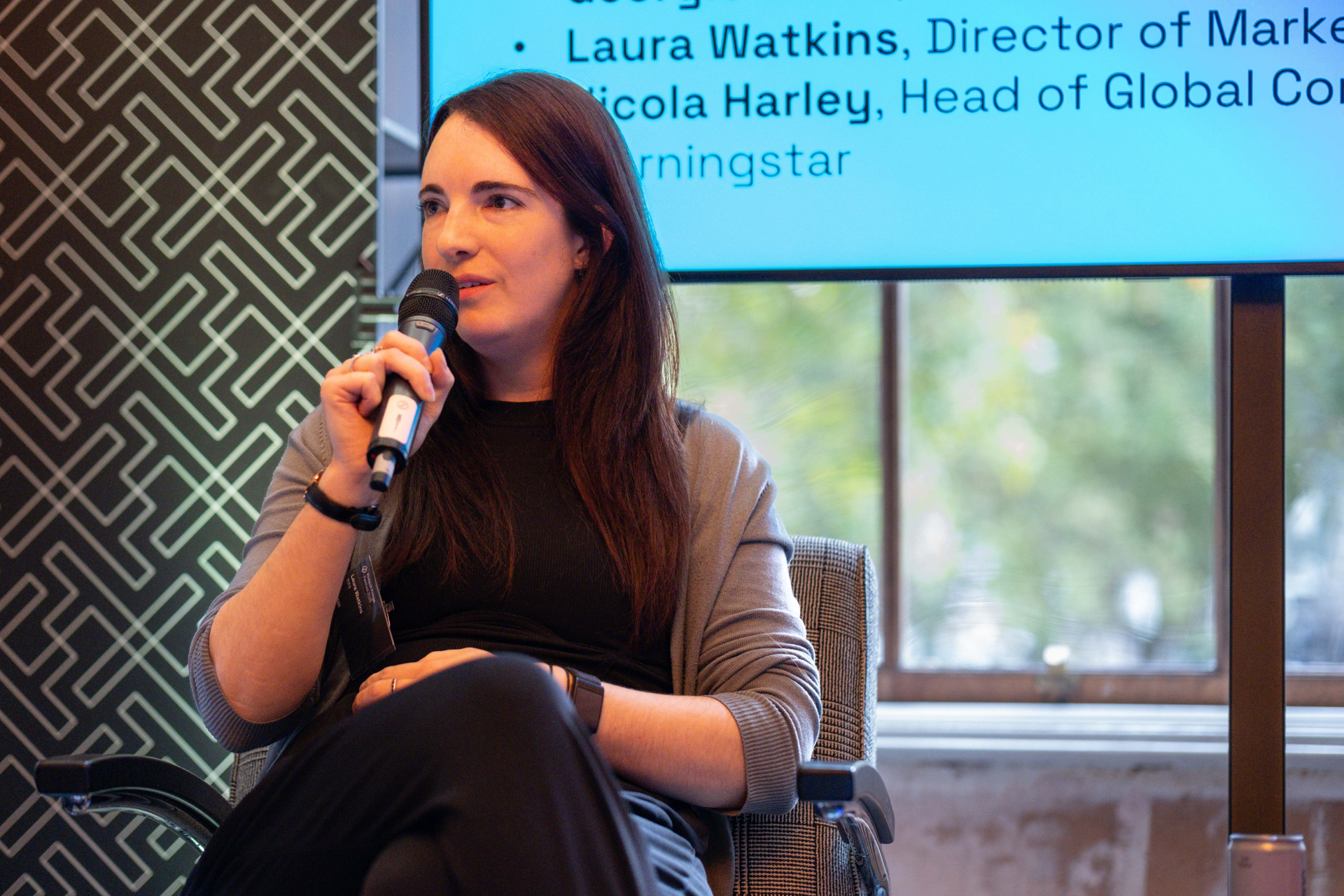
“We call it the ‘Jobs to be Done’ or the ‘So What?’ test. I don’t really care about the specifications of a lawnmower: how many times the blade rotates or what the steel is made of. I just want my grass cut. In fintech, we are often guilty of listing every technical feature instead of talking to customers in a language that aligns with their goals, like buying a house rather than just getting a mortgage.”
Laura Watkins, Director of Marketing & Media, 11:FS
The story cannot live in a marketing box, either. If narrative stops at the campaign and the product or sales team tells a different tale, it falls flat the moment the customer makes contact. 11:FS leans on its podcast hosts and senior experts as brand ambassadors, putting human subject-matter expertise ahead of corporate logos.
Metaphors as a bridge for complex data
For firms swimming in dense information, a metaphor is often the only way to make a story travel across very different stakeholders. The trick is to turn the data into an image people can hold in their heads.
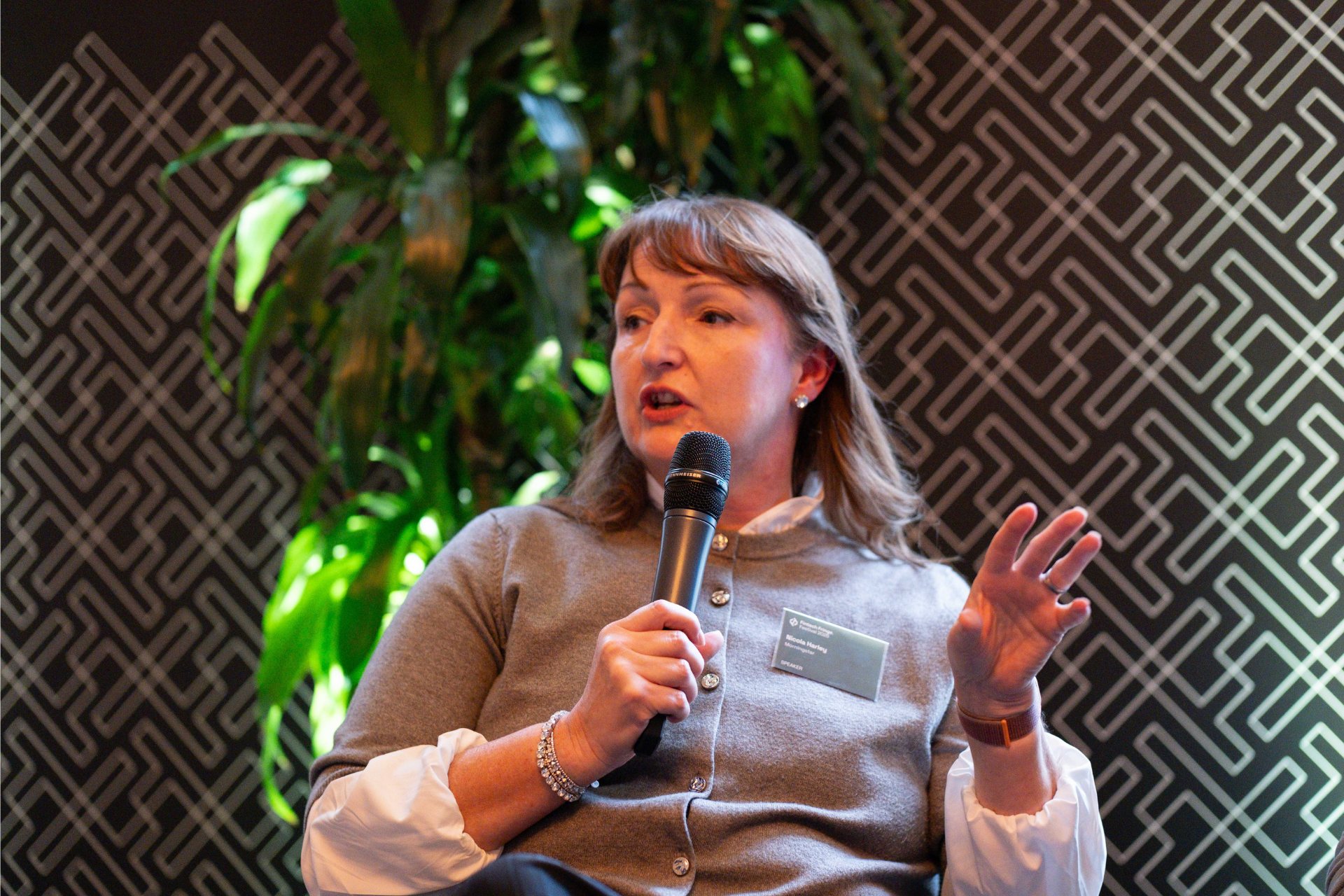
“We could get exceptionally geeky very quickly with 300 analysts looking at underlying investments, but we don’t. We tell stories with metaphors. We run commercials where data is a kitchen, with various ingredients that a chef brings together to create haute cuisine. Or a choir, where different notes start separately and eventually come together as a chorus. The metaphor resonates far more than the raw data ever could.”
Nicola Harley, Head of Global Content Strategy & Platforms, Morningstar
Marketing can add the embellishment, but the story has to stay fundamentally true. Consistency is the foundation of trust, and a reputation that takes a lifetime to build can be lost in seconds when the narrative and the reality drift apart.
Consistency over reinvention
A common mistake for scaling fintechs is the urge to modernise the story every year to fit a fresh marketing cycle. An enduring narrative should survive several cycles without a total pivot.
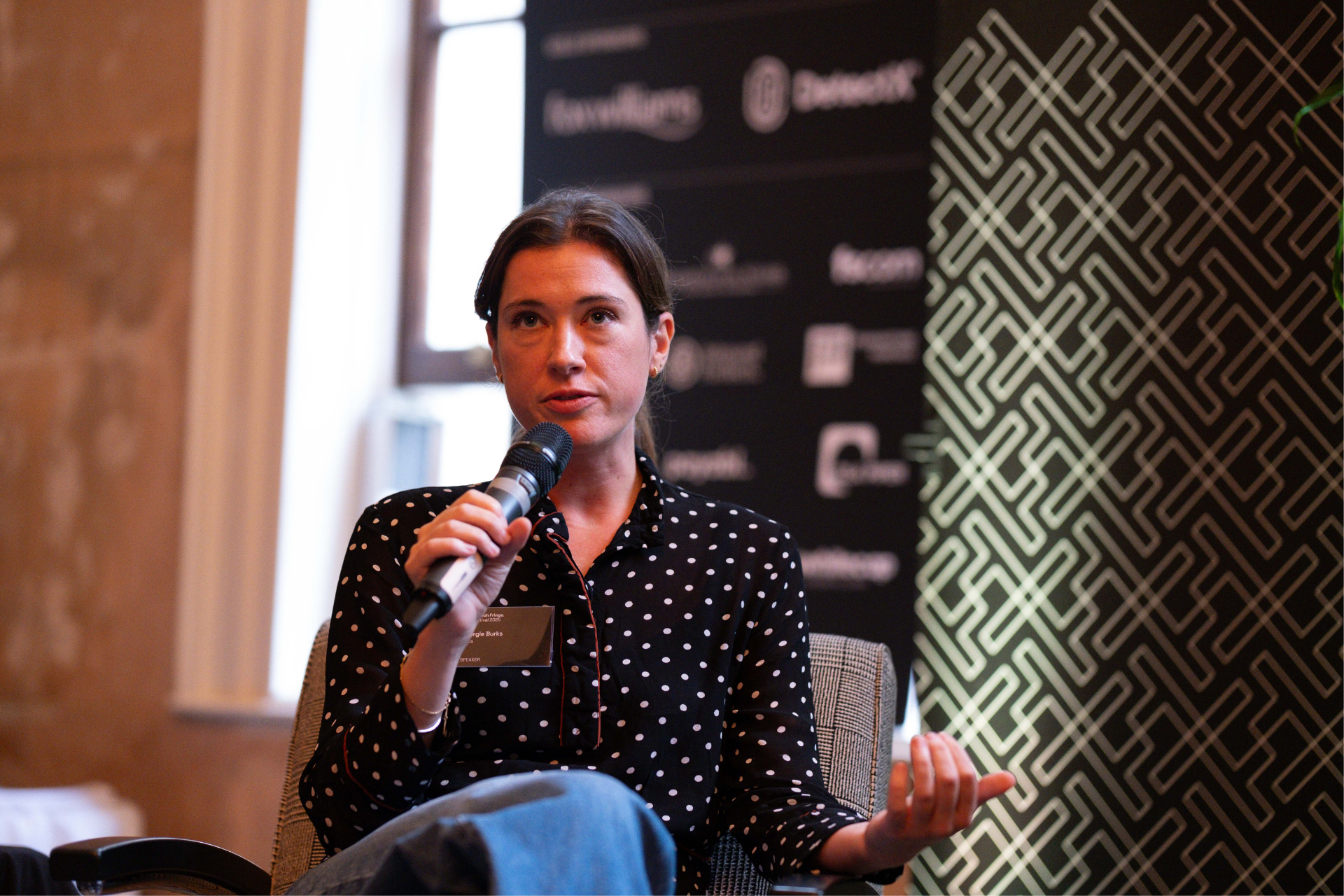
“Reinventing your story every year with a new marketing plan is not a good route to go down. You need to choose something that is super enduring. For Allica, the story is that SMEs are underserved by big banks. We established that early on, and it allows us to creatively bring that to life in different ways: from product launches to conversations with government: without losing our core truth.”
Georgie Burks, Brand Marketing Lead, Allica
The other trap is manufacturing a story. Forcing a cultural trend or a David-versus-Goliath angle that is not true to the culture always lands badly. The aim is a story everyone, from the CEO to the customer service agent, understands and can repeat.
The takeaway
The best fintech stories make the technology invisible. Whether through a simple metaphor or the expertise of a real human face, the goal is to move from being a functional tool to an essential partner in the customer’s journey. Great stories don’t just stand out; they stand for something, creating an emotional anchor in an industry too often defined by cold data points.
The Scaling Checklist
The lawnmower test. Read your sales deck and check whether you are selling the rotating blades or the cut grass – the tech or the result.
The Mum’s Test. If you cannot explain your product’s value to a non-expert in under sixty seconds, the narrative is too cluttered.
Find your metaphor. Pick one image – a kitchen, a library, an engine – that captures your value, and use it to ground your most technical explanations.
Audit for pervasiveness. Make sure your support team knows the story, because narrative has to be signed off by every department, not just marketing.
Apply the durability rule. Choose a narrative core that lasts; if the story depends on a passing trend, you will be forced to pivot and lose trust.
Leverage your experts. Subject-matter expertise delivered by a human face carries a higher trust return than corporate broadcasting.
Verify the truth. Never let the marketing story outpace the product reality, or the brand fails the first time a customer hits a problem.
These perspectives are drawn from a Fintech Fringe panel, “Storytelling That Sells,” with Jana Straiton (Renegade Marketing), Laura Watkins (11:FS), Nicola Harley (Morningstar) and Georgie Burks (Allica).
Get Involved with Fintech Week London
Attend • Exhibit • Speak • Sponsor • Host
Content that earns attention is one of the conversations on the The Growth Engine track at this year’s Summit, themed Growth + AI. Fintech Week London runs 7–11 September: five days across the city, built around the two-day Summit on 9–10 September, where founders, investors, operators and regulators come to connect, collaborate and do business in the world’s number one fintech ecosystem.