The Big Debate: Will Programmable Money Kill the Banks?
Money2020 Europe doesn't usually end quietly. But even by its standards, the final session of this year's show curated by Fintech Fringe created quite the buzz with a jam-packed, standing room only good old fashioned debate.
The Setup
With a motion deliberately designed to draw blood: "This House Believes Programmable Money Will Make Traditional Banks Obsolete Within a Decade", both teams were primed for battle.
Fintech Fringe debuted this format last year. Bringing it to a bigger stage was always going to be a test. It passed.
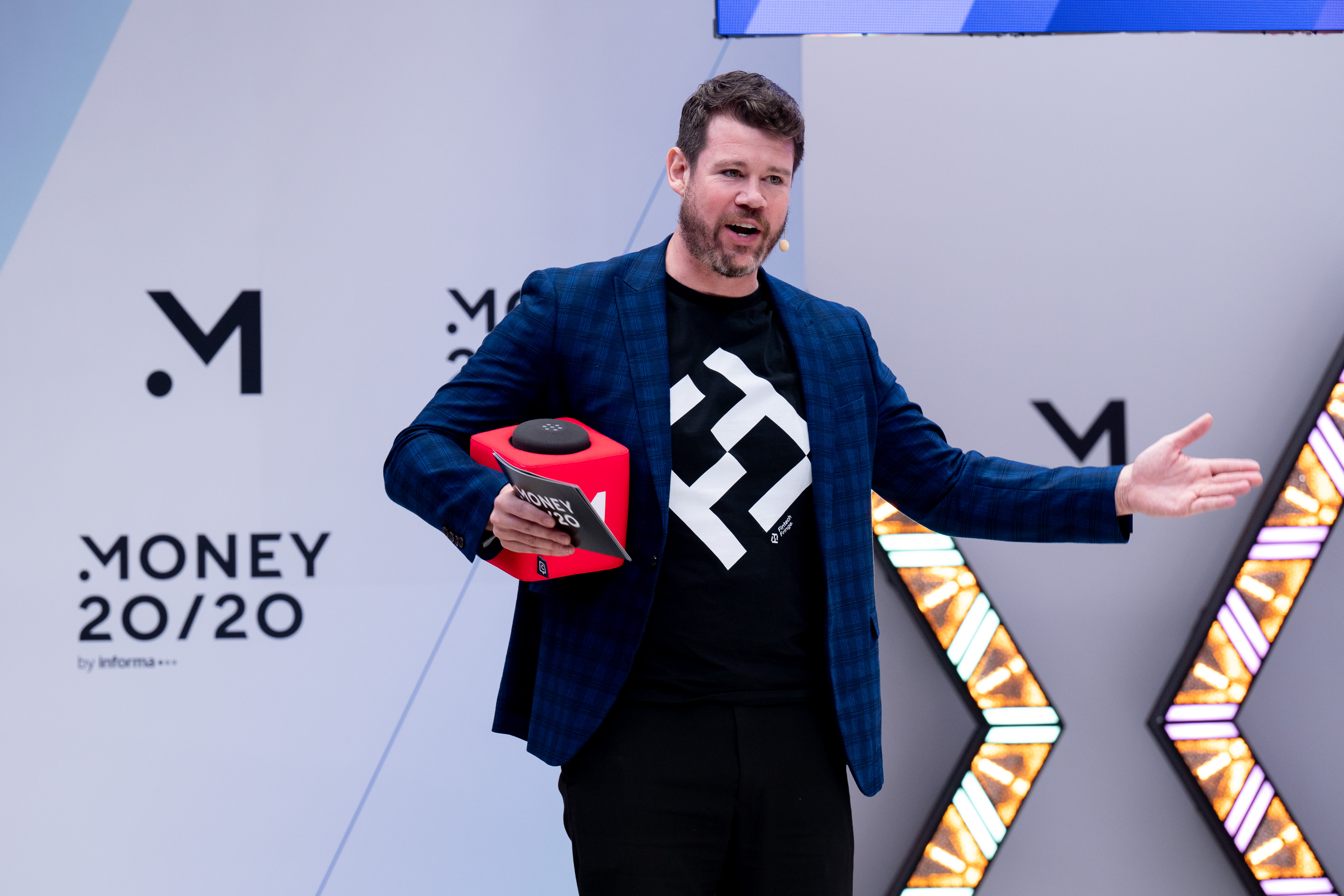
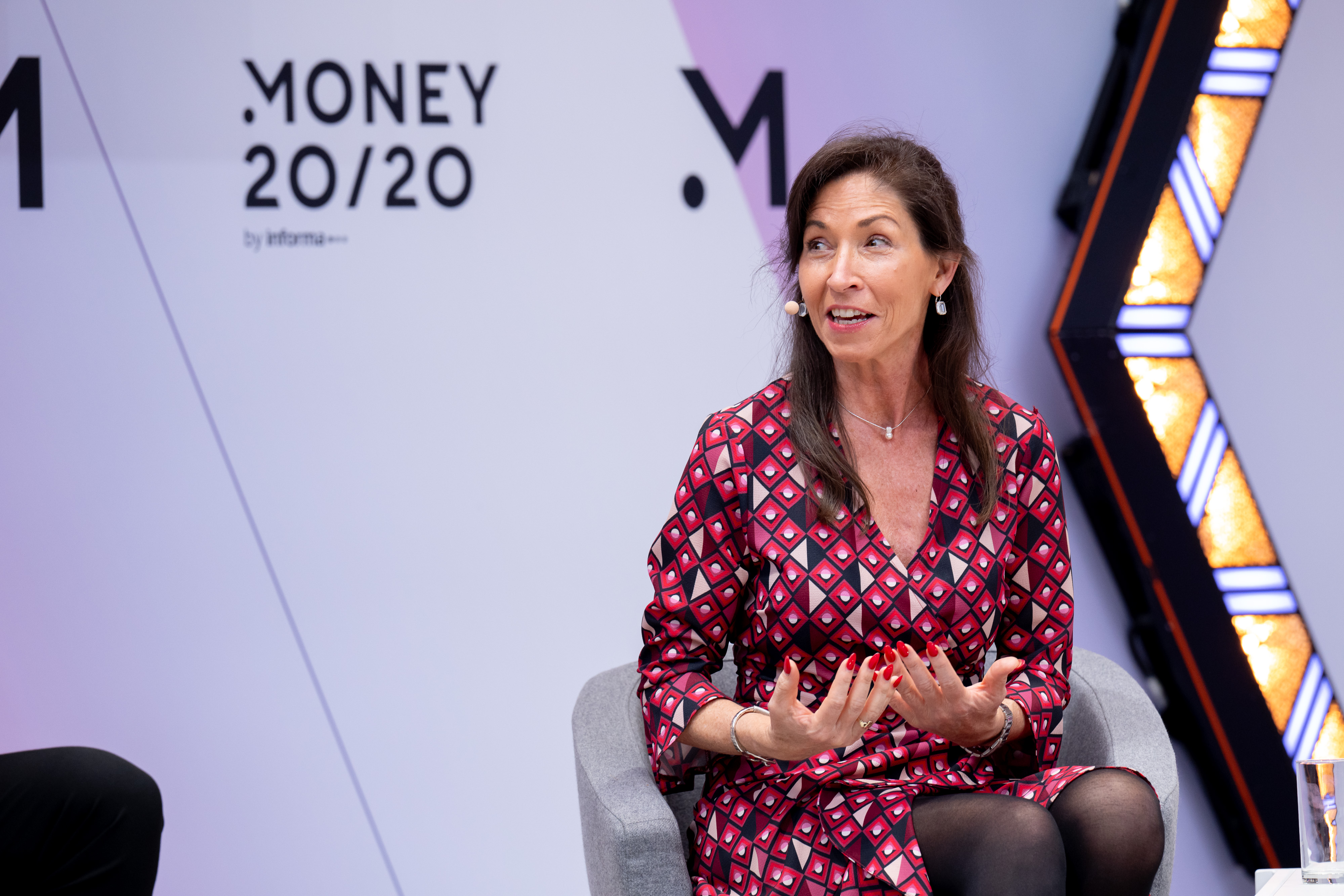
Agent Provocateur Ian Horne opened proceedings with a sixty-second primer on programmable money, then immediately put the room on the spot, getting a gauge to where the room stood. The results were split, but leaning sceptical on the banks side. The debate had its work cut out.
Four speakers. Two teams. Three minutes each to open, ten minutes of crossfire, ninety seconds to close. Buzzers for interruptions - three per team, use them wisely.
Team Blue (proposition, banks are obsolete): Iana Dimitrova and Natalie Oestmann..
Team Pink (opposition, banks survive): Dr. Ruth Wandhöfer and Laura McCracken..
The motion was designed to force a binary. And the binary was the point, because sometimes the most useful thing you can do is make smart people argue without an escape hatch.
The Opening Arguments
Team Blue led, and they came in hard.
Natalie Oestmann opened by reframing the question entirely. What even is a bank? Why do 1.3 billion unbanked people seem to be moving money just fine without one? And - the line that landed - ten years ago, none of you were paying with your phone. Now raise your hand if you still pay with a card. She waited. Nobody moved.
It was a good rhetorical move, and it pointed at something real. Adoption curves in financial services tend to be slow until they aren't. The shift from card to mobile happened faster than almost anyone predicted in 2015. The argument wasn't that programmable money is inevitable - it was that we're bad at seeing inevitability coming.
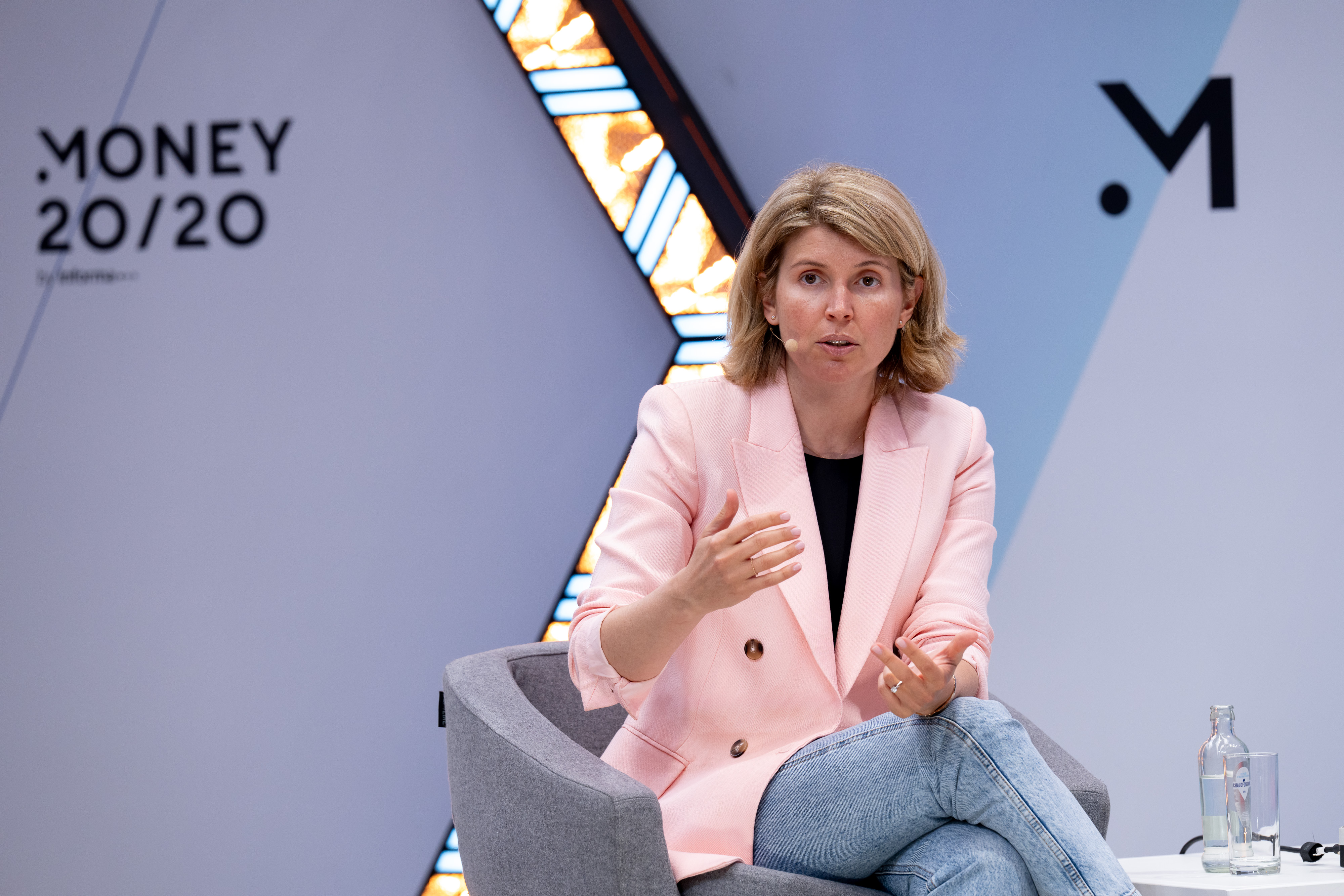
Iana Dimitrova built on it with precision. A bank does three things: holds value, moves value, provides credit. Programmable money, she argued, does all three - without the cost, without the middleman, and with end-to-end traceability baked in.
"If through the technology you can guarantee the traceability, you can meet all compliance requirements, take the cost out, and achieve the speed and security you need - what's the point of having a bank?"
The underlying logic is serious. Traditional banking is, at its core, an elaborate system for managing trust between parties who don't know each other. Reconciliation, compliance, correspondent banking, settlement - all of it exists because we can't verify each other without a trusted third party in the middle. Smart contracts don't eliminate that problem. They just relocate the trust - from institutions to code. Whether that's better depends entirely on how much you trust the code.
Team Pink's response was sharp and grounded. Laura McCracken didn't argue the technology. She argued the human reality. Life is messy. When your Amazon package doesn't arrive, you need someone to call. When things go wrong - and they do - regulators don't want to audit a blockchain. They want a throat to choke.
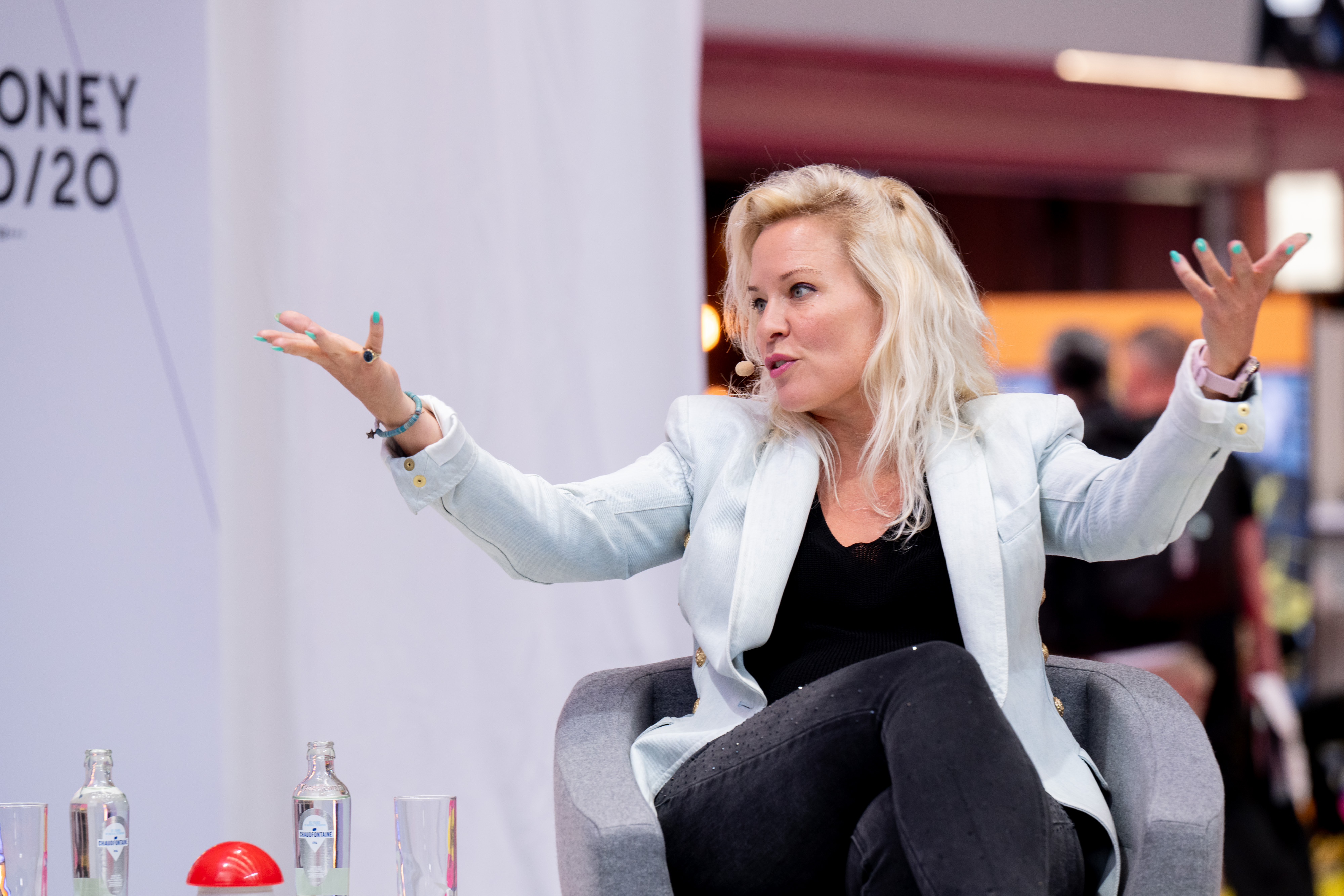
Ruth Wandhöfer went further. Banks hold and protect value. They're regulated precisely because they take deposits. In a world of increasingly sophisticated cyber attacks, being your own custodian isn't freedom - it's exposure.
"I don't want to be left to my own devices." And on the question of who profits from programmable infrastructure: "Don't bullshit me on this. Everybody wants to make money."
That last point is underrated. The critique of banks as rent-seekers extracting value from transactions is fair - but it doesn't follow that the alternative is free. The programmable money ecosystem has its own fee layers, its own infrastructure players, its own concentration of power. The argument isn't between cost and no cost. It's between visible cost and hidden cost, between familiar intermediaries and new ones.

The Crossfire
This is where it got good.
Ian Horne, true to his title, threw grenades. Tokenized deposits - does that save the banks or just prove they're too lazy to change? (Team Blue: lazy, yes, and irrelevant to the larger shift.) Peer-to-peer rails - isn't the banking back office already being hollowed out? (Team Pink: efficiency gains don't mean extinction.)
The audience got involved. A fraud victim from the floor made the most concrete case of the afternoon - she'd had her card cloned, logged into her Canadian bank, flagged five transactions, and had the money back in minutes. "Who do I call when there are no banks?"
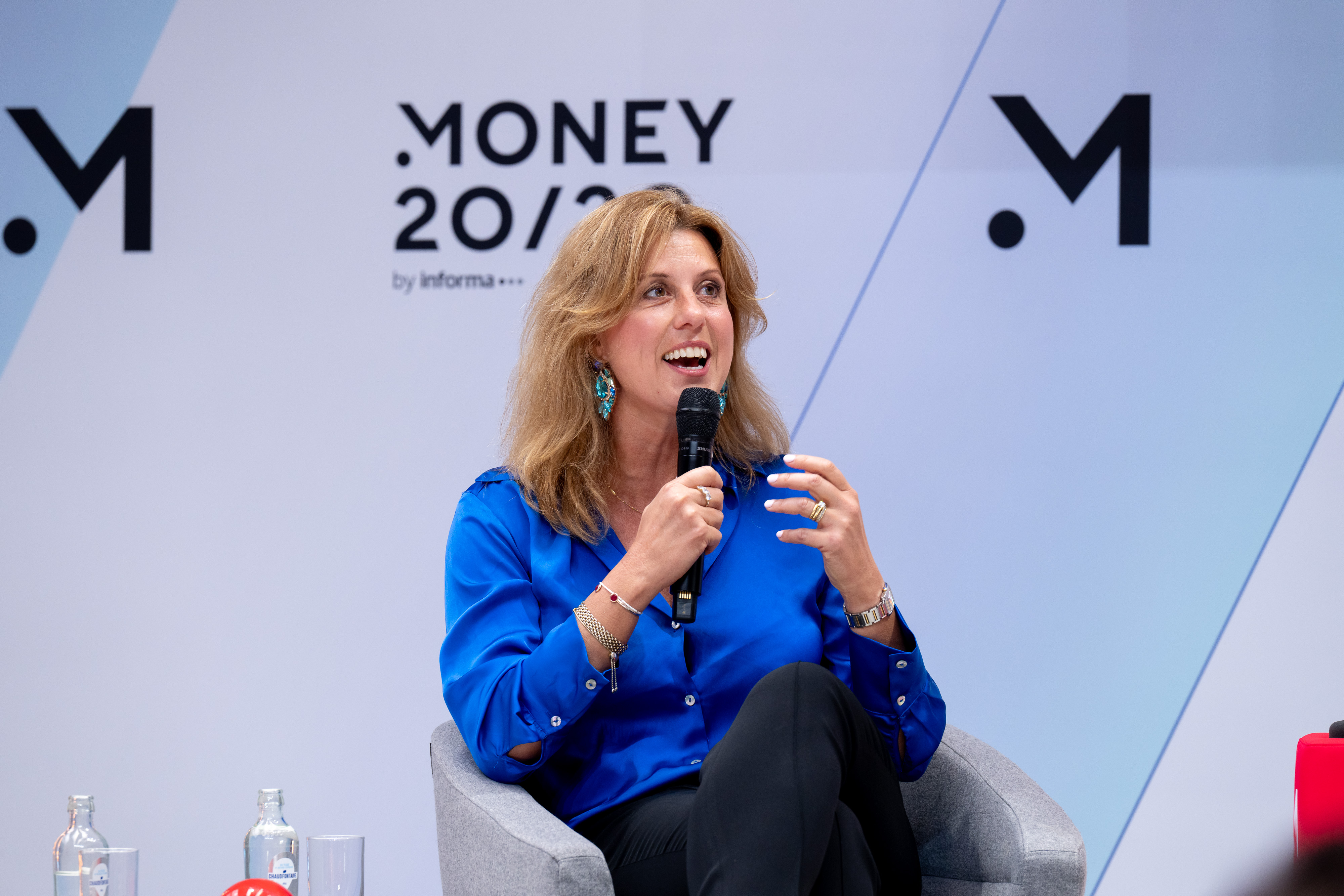
Natalie Oestmann didn't flinch. Shame on your bank for not catching the fraud before it happened. And you're paying for everybody else's fraud through your fees - you just don't see it. The banks write it off and move on.
Ruth Wandhöfer's counter was the one that stuck:
"So who's going to pay the money back in future?"
No clean answer came. And that silence was instructive. Consumer protection in a programmable money world is not a solved problem. The DeFi hacks of the last few years weren't edge cases - they were structural. Smart contracts are only as good as the code, and the code is only as good as the people who wrote it, and people make mistakes. The question isn't whether fraud exists in a programmable money world. It's who absorbs it.
The most telling moment in the crossfire wasn't a killer argument. It was a moment of honest confusion. Iana Dimitrova pointed out that digital asset players like Kraken and Crypto.com are already offering the full suite - deposits, lending, cross-border payments. The backstop will always exist, she said. We're just arguing it's a different set of players assuming that role.
Laura McCracken's response landed clean: "But when they take deposits, they get banking licenses. Which means they become banks."
The room felt that.
This is perhaps the most important structural observation of the debate - and it got less airtime than it deserved. The history of financial disruption is largely a history of new entrants acquiring the very licenses and obligations they set out to disrupt. PayPal got banking licenses. Stripe is regulated like a payment institution. Revolut spent years acquiring its UK banking licence. The technology changes. The regulatory perimeter holds. What looks like disruption from the outside often looks, from the inside, like expensive convergence.

The Closing Statements
Team Pink closed with economy. Banking will reinvent itself, as it has done for hundreds of years. Technology is an opportunity, not a threat.
Team Blue closed with something warmer - and more honest. Whatever happens to the institutions, the goal is to serve the customer. All of us are here to innovate. Keep the interest of the customer in mind.
Ian Horne called the vote. The room made its noise. It was close - closer than the opening vote suggested minds had been changed on both sides.
He gave it to Team Pink.

What the Debate Actually Revealed
Walking out, the result felt less like a verdict and more like a live mapping of the industry's real fault line.
The debate was framed as Efficiency versus Governance, Technology versus Human Reality. But the more interesting tension was subtler: it was between two different theories of where power actually sits in financial infrastructure.
Team Blue's implicit model is that the valuable thing in banking is the logic - the rules, the compliance, the verification. If you can encode that logic in a smart contract and make it run without an intermediary, the intermediary becomes redundant. The bank is just a very expensive way of running software.
Team Pink's implicit model is that the valuable thing in banking is the relationship - the liability, the accountability, the customer trust that comes from being a regulated, licensed entity that can be sued, called, and held responsible. Technology doesn't replace that. It sits underneath it.
Both models have evidence. The growth of DeFi suggests the logic argument has real traction at the edges. The growth of JPM Coin and Visa's stablecoin settlement suggests the relationship argument wins in the middle. The edges and the middle are not the same market.

The real answer - which no one on stage was required to give, because it was a debate - is probably that both things are true simultaneously, in different parts of the stack. Back-office reconciliation will be eaten by programmable money. Customer-facing banking, especially for the mass market and for institutional borrowers, will look recognisably like banking for a long time yet.
The decade framing is where it gets interesting. Ten years is too short for the incumbent banks to die and too long for the current state to hold. Something significant will have shifted. The question the debate didn't fully answer - and maybe couldn't - is who controls the new infrastructure when it arrives. Because that's where the real power question lies. Not whether banks exist. Who issues the money, who sets the rules, and who carries the liability when the code is wrong.
Those are not technical questions. They're political ones.
And no smart contract has an answer for them yet.