The AI Security Reckoning: Why Your Next Breach Could Be Your AI
Firms are racing to roll out LLMs while security lags behind. The next big fintech breach may not be a data leak – it may be your own AI being turned against you.
The speed of AI adoption in financial services has opened a dangerous gap. While founders race to put large language models to work on productivity, the attack surface is expanding into unknown territory. The likely shape of the next major fintech breach isn’t a data leak – it’s an exploit of the firm’s own AI models: a compromise of logic, not just a loss of data. For a scaling fintech, that turns security from a perimeter problem into a data-integrity one.
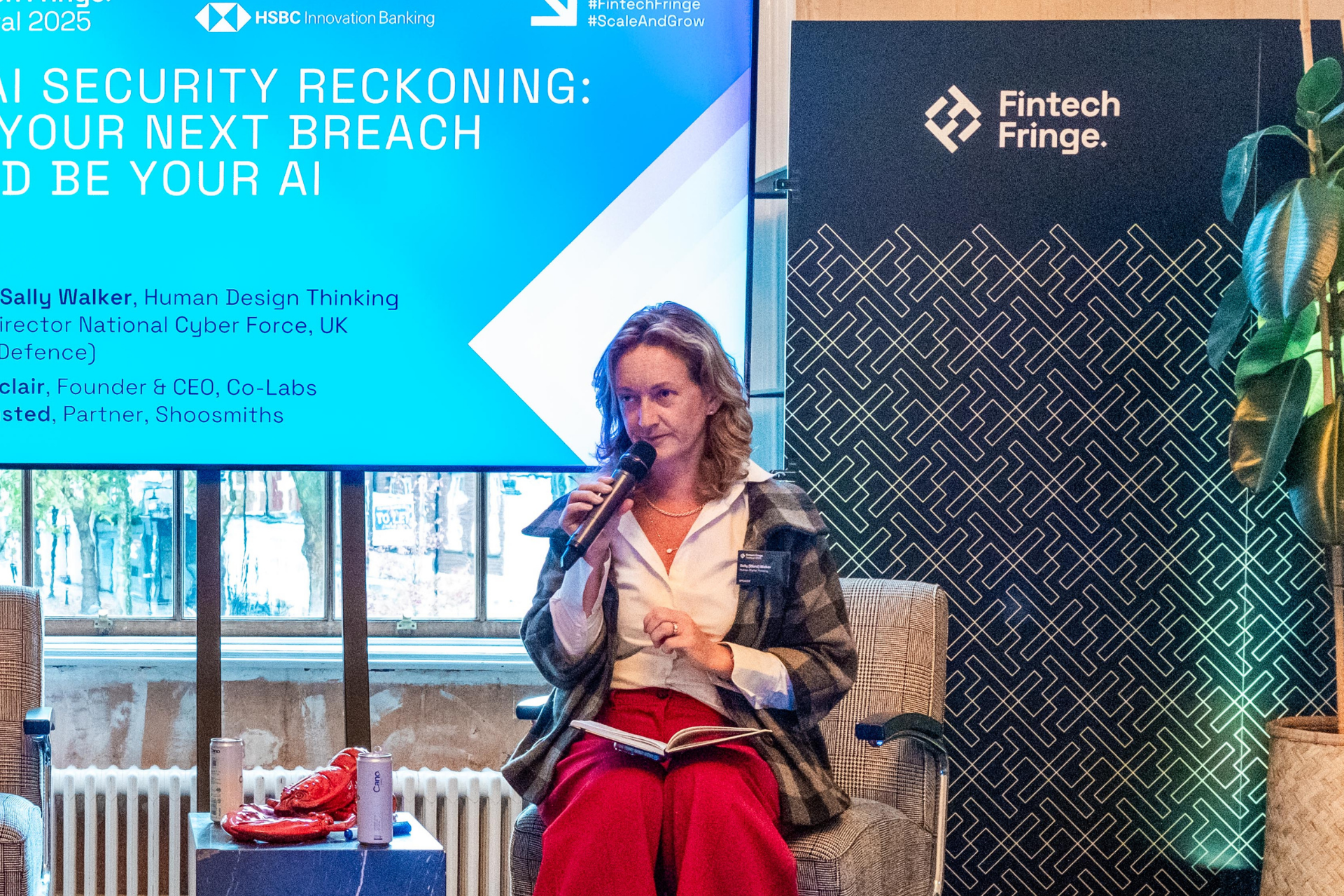
“AI adoption is surging, but security has lagged behind. Experts today are revealing the hidden risks and real-world vulnerabilities that founders need to address to stay ahead of the AI security curve. We are moving into a space where the speed of the attack might outpace our human ability to react.”
Sally Walker, formerly Director, National Cyber Force, UK Ministry of Defence
The invisible leak: shadow AI
The most pervasive risk is shadow AI – well-meaning staff running sensitive company data through unapproved public tools. As Sarah Sinclair of Co-Labs notes, the vulnerability usually comes from the urge to be efficient. Engineers pasting proprietary code into a public model to debug it, or analysts summarising confidential reports in a public LLM, have effectively sent that data somewhere they no longer control. Scaling securely means shifting from blocking to governing: give teams sanctioned internal sandboxes so they get the productivity gain while the IP stays inside the firm.
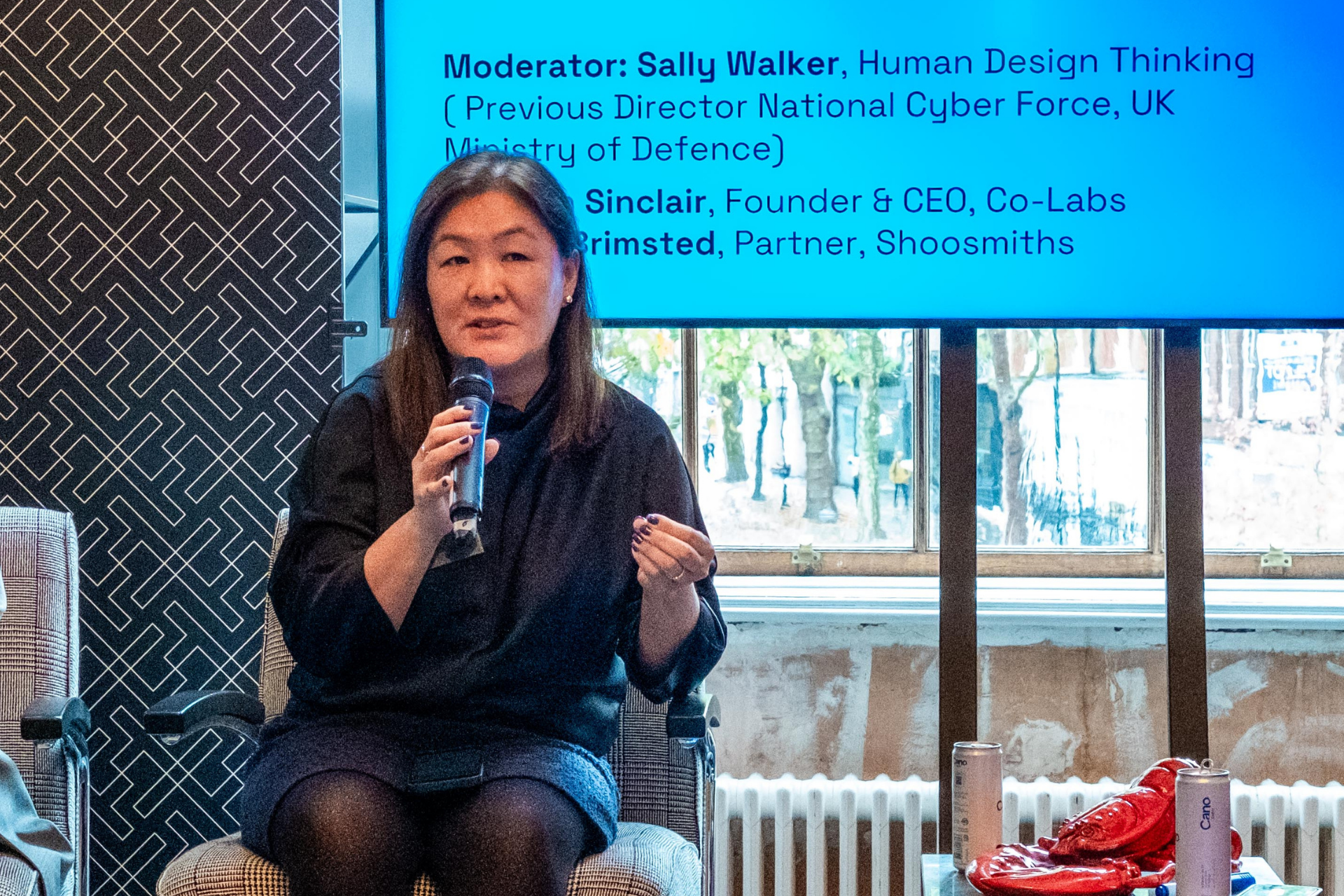
“The biggest vulnerability in your building isn’t a hacker in another country; it is a well-meaning employee trying to be 10 percent more productive. Without clear AI governance, you are effectively open-sourcing your most valuable intellectual property to the public domain.”
Sarah Sinclair, Founder and CEO, Co-Labs
From access to integrity: model poisoning
A newer, harder threat is model poisoning – adversarial machine learning, where an attacker feeds corrupted data into a model to bend its future decisions. Kate Brimsted of Shoosmiths warns that as fintechs lean on external data to train proprietary models, the risk of upstream infection grows. Trick an AI into quietly lowering credit standards for a profile, or ignoring a fraud pattern, and you can exploit the business at scale without ever breaking into a server. That’s a breach of integrity, not access – which means verifying the provenance of every piece of data entering the learning loop.
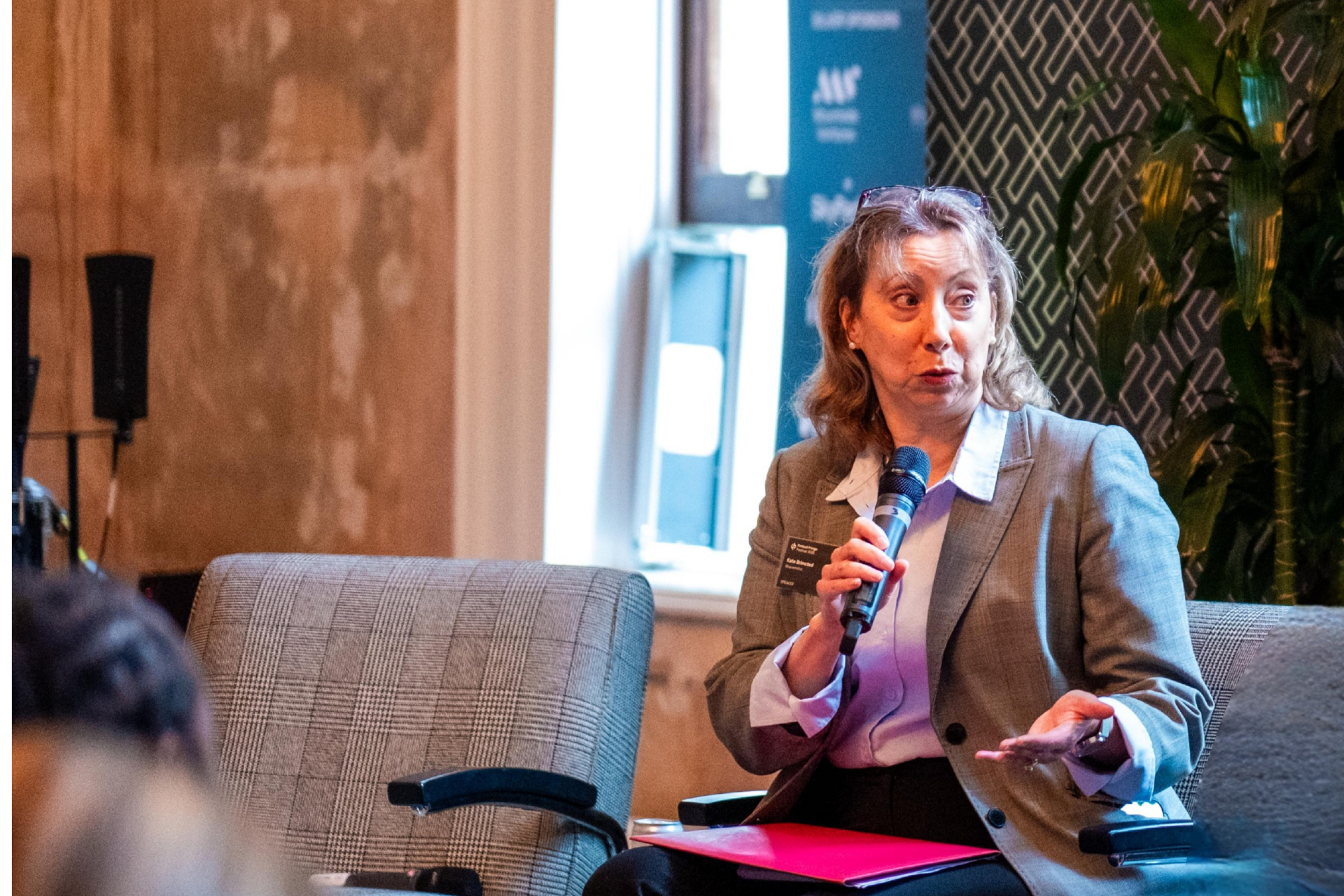
“We are moving from a world of protecting access to a world of protecting integrity. If your AI can be manipulated into making bad decisions, you haven’t just been breached: you’ve been compromised at the level of your fundamental business logic.”
Kate Brimsted, Partner, Shoosmiths
Resilience and the OODA loop
The legal direction of travel is clear: “I didn’t know the AI could do that” is not a defence. Borrowing the military OODA loop – observe, orient, decide, act – the point is speed: if an attacker gets inside your AI’s decision loop, they own the business before you spot the anomaly. Regulators now expect AI resilience plans: the ability to roll a model back to a known-good state when it starts behaving oddly, and a forensic trail showing how a machine-led decision was reached.
“Success is about the speed and accuracy of your response to an internal anomaly. In 2025, you must have a forensic trail for your AI. If you cannot explain the ‘why’ behind a machine-led failure to a regulator at 2 AM, you are not ready for the scale of the AI era.”
Sally Walker, formerly Director, National Cyber Force, UK Ministry of Defence
The takeaway
The AI security reckoning is here. To scale safely, kill shadow AI by giving teams secure internal tools, protect the integrity of your data pipelines against poisoning, and make every automated decision auditable and explainable.
The Scaling Checklist
Kill shadow AI. Survey which public AI tools your team is using, provide a sanctioned internal alternative this month, and set clear data-ingestion policies.
Verify data provenance. Audit the external sources training your models. If you can’t verify a source, don’t let it influence your core logic or risk models.
Build a roll-back protocol. Make sure engineering can take a compromised model offline and revert to a safe version or manual process in under thirty minutes.
Map your forensics. Could you show a regulator the logic behind your last 1,000 AI-led decisions? If not, your model is a compliance liability.
These perspectives are drawn from a Fintech Fringe panel on AI security, with Sally Walker (formerly UK Ministry of Defence), Sarah Sinclair (Co-Labs) and Kate Brimsted (Shoosmiths).
Get Involved with Fintech Week London
Attend • Exhibit • Speak • Sponsor • Host
AI security is one of the conversations on the Trust as Currency track at this year’s Summit, themed Growth + AI. Fintech Week London runs 7–11 September: five days across the city, built around the two-day Summit on 9–10 September, where founders, investors, operators and regulators come to connect, collaborate and do business in the world’s number one fintech ecosystem.