The AI Product Decision: What to Build, What to Buy, and What to Leave Alone
Most fintechs aren't trying to build the next frontier AI model. The real decisions sit higher up the stack: what to own, what to rent, and where AI shouldn't be used at all. Here's how three operators are making those calls.
Every fintech is now facing the same set of choices about AI: build it, buy it, or leave it alone. In financial services those choices carry extra weight, because each one comes with questions about risk, liability and customer trust that don’t go away just because a model is doing the work.
There’s also a newer question creeping into product meetings – restraint. The firms getting this right aren’t the ones applying AI to everything. They’re the ones asking, step by step, whether AI belongs there in the first place.
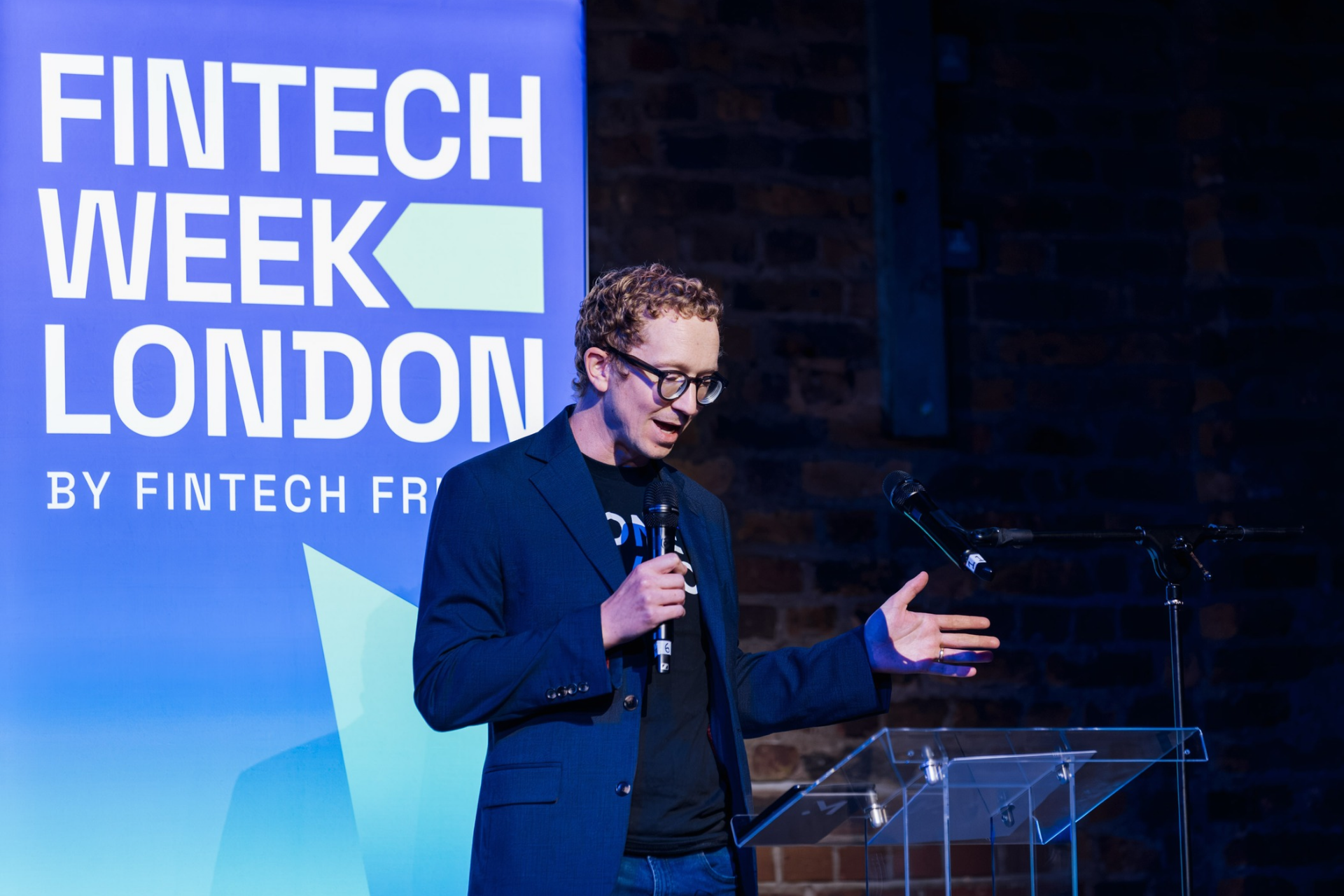
“Every fintech is having this moment where they’re deciding whether they should buy, build, or leave alone. It’s not just a question of applying AI to everything. It’s a question of asking: should we apply AI?”
Oliver Smith, Money20/20
From build versus buy to own versus rent
The old build-versus-buy debate meant deciding whether to write your own mobile app. In AI, the bottom of the stack is already settled. Sasha Haco’s team at Unitary started out building classification models before large language models went mainstream – and pivoted once it was clear no one would buy a model from a start-up over one from the big labs. The sensible place to build now is small, fine-tuned models for very specific jobs, plus the application layer on top.
That shifts the question. Rather than asking what to build, the better question is what you need to own. Rent the commodity layers where you have no edge, and own the things that make you different: your data, your pipelines, your context, and the software built around them.

“We change the terms to be more like: do you own or do you rent? We can’t outcompete the big labs on models, so we don’t need to. Ultimately, whether you’re buying something or building something, you want to own that thing – your intelligence, your data, your context.”
David Weinstein, Co-Founder & CEO, KayOS
Build where you have the right to win
Plaid uses three tests before it commits to building. Is it core to the mission, or adjacent to it? Does Plaid have the right to win – the data, the people and the expertise? And the one most teams skip: are you happy to be maintaining this three years down the line? If the answer to the right-to-win question is “not yet”, rent first, learn, build the team, then bring it in-house once it proves central.
Where the tests do point to building, the payoff can be big. Plaid has built its own transactional foundation model on top of the frontier LLMs, trained on data from across its network – data no one else has. That model improved its income classification by 48 percent. Renting doesn’t move liability anywhere, though. Whatever you buy, you still own the outcome, and the same traceability and controls apply.
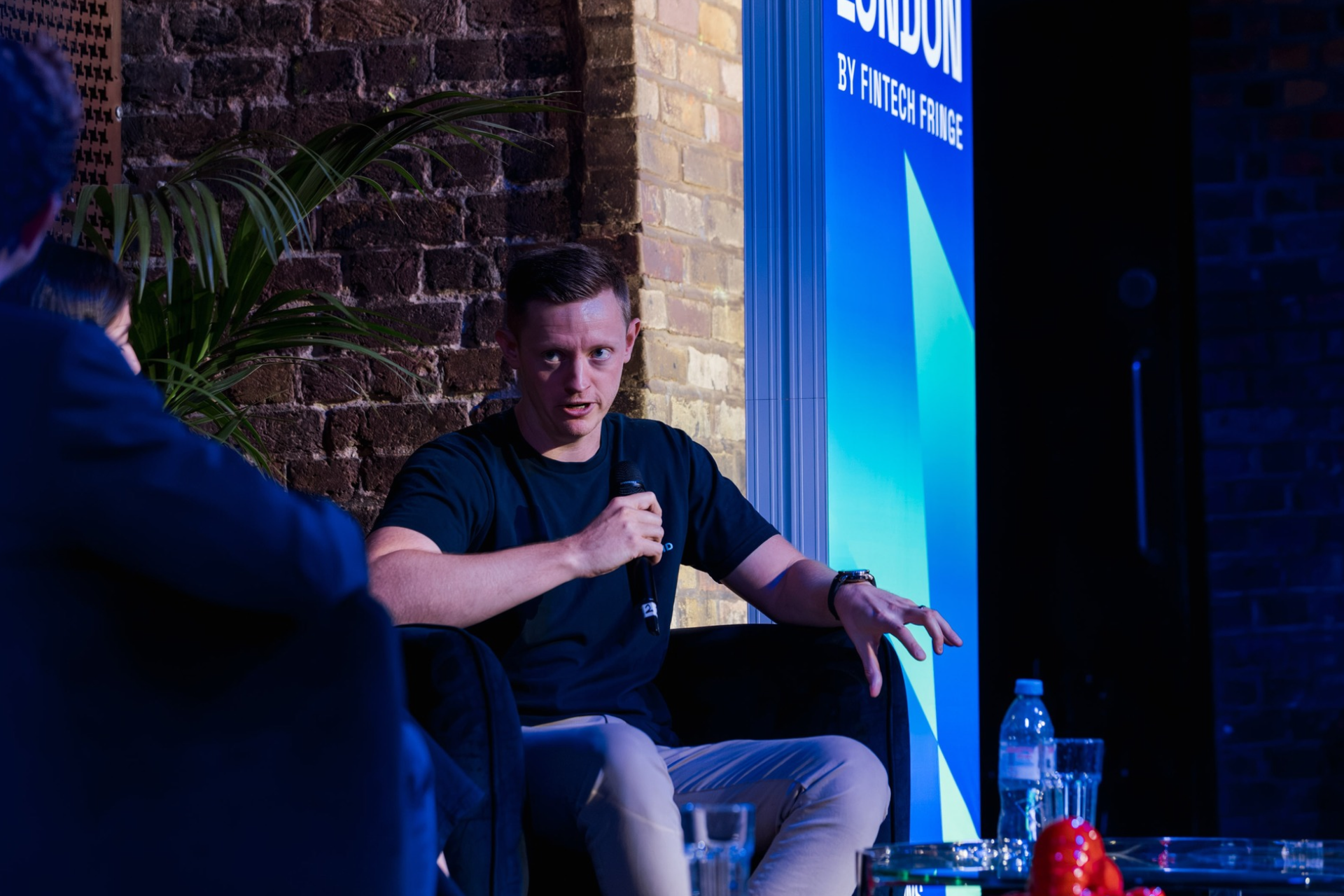
“Ultimately you’re responsible for what you ship, whether you’re renting that, buying that, however you’re doing that. You need that traceability. You need that structure around your workflows. And that’s not something that you can just hand off to a third party.”
Chris Corbett, Head of Product, Plaid
Use AI only where judgement is needed
Knowing when to leave AI out is as important as knowing when to use it. Unitary takes on complex, multi-system workflows in financial services and insurance – the kind that break traditional robotic process automation the moment a third-party portal changes. Its answer is to use AI to build and maintain deterministic code, and to call on a language model only for the steps that need human-style reasoning. Everything is logged and audited, and people on the team check AI outputs as part of a human-in-the-loop QA process.
The same discipline applies to measuring success. Teams love to shout about 99.9 percent accuracy, but accuracy is necessary, not sufficient. If no one can say what the project does for the business, it’s AI for AI’s sake – and often the result of a mandate from the board rather than a real customer problem.
“Wherever we don’t need to be making a decision, we’ll use software. We might take on a 30-step workflow in a claims process, but only three steps require some element of human reasoning. So only those steps will involve AI. Everything else is deterministic software.”
Sasha Haco, Co-Founder & CEO, Unitary AI
The takeaway
The winning AI decisions aren’t about the model. They’re about ownership, maintenance and restraint. Rent what’s commodity, own what makes you different, keep AI to the steps that genuinely need judgement – and remember that customers are already using AI for their finances, whether or not they’re doing it with you. The bigger risk by 2028 may not be choosing the wrong tool, but the opportunity cost of not starting at all.
The Scaling Checklist
Run the three-year test. Before you build, ask who will be maintaining this in three years. If it isn’t core to your mission and you don’t have the right to win, rent it.
Rent first, keep the exit open. Start on a short-term contract, learn how the technology works, and put yourself in a position to build it or bin it later.
Draw the AI boundary. Map each workflow step by step. Use deterministic software wherever no judgement is needed, log everything, and keep a human accountable for the decision.
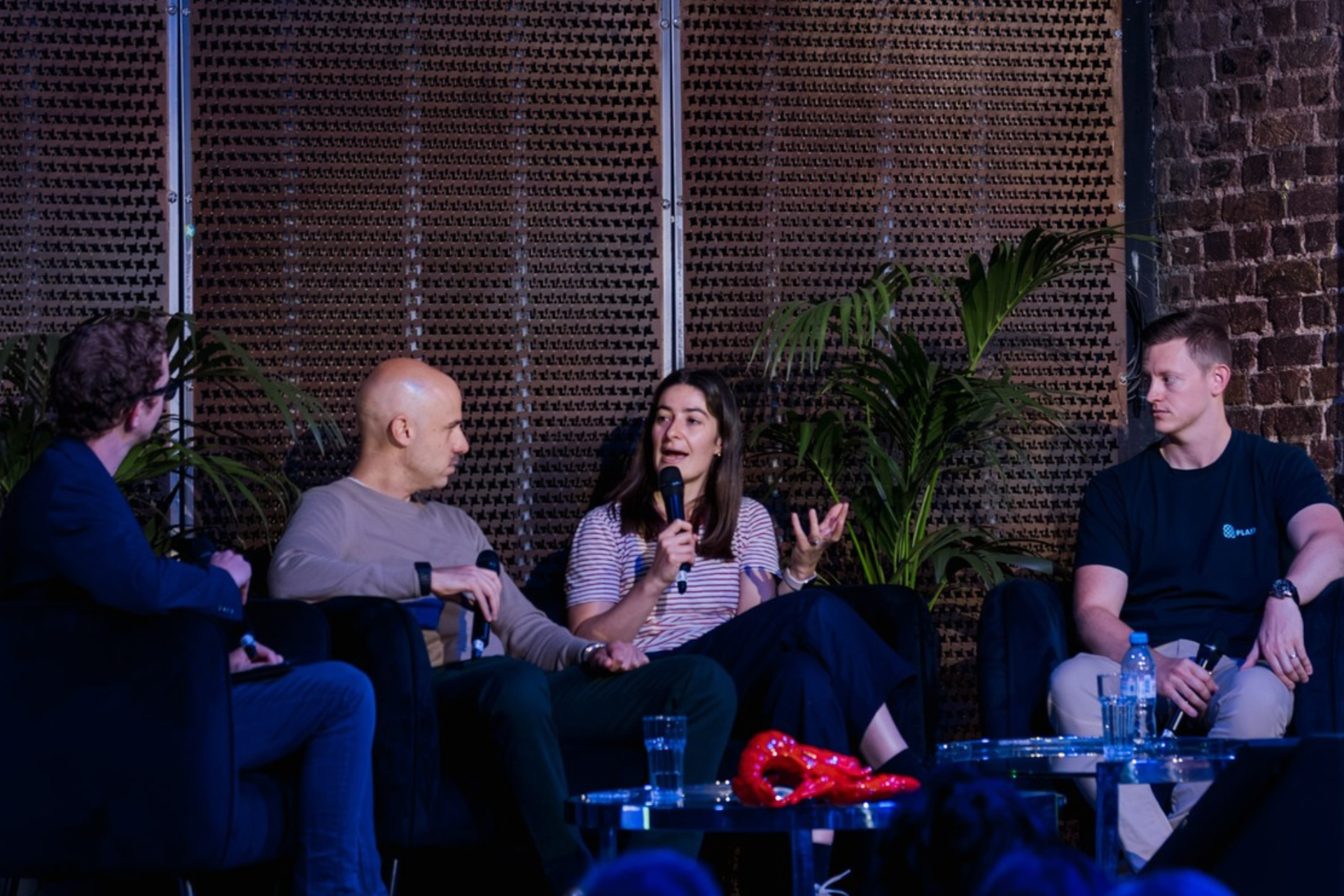
These perspectives are drawn from a panel on AI product decisions, moderated by Oliver Smith (Money20/20), with David Weinstein (KayOS), Sasha Haco (Unitary AI) and Chris Corbett (Plaid).
Fintech Week London 2027
Fintech Week London returns 20-24 September 2027: five days across the city, built around the two-day Summit on 21-22 September, where founders, investors, operators and regulators come to connect, collaborate and do business in the world’s number one fintech ecosystem.