Stop Hiring AI Experts. Start Hiring Problem Solvers.
The talent code for AI isn’t about finding machine-learning unicorns. It’s about hiring engineers with taste – people who care more about the customer than the cleverness of the model.
Artificial intelligence has moved from being a specialist department to the foundational architecture of the modern fintech firm. We’re past the era of simple generative chatbots and into the age of agentic systems: autonomous tools that don’t just suggest text but execute complex financial tasks. That shift has quietly broken the traditional hiring model.
You can no longer hire for AI on the strength of a degree or a job title, because the technology is moving faster than the curriculum can keep up. The firms that win the next wave won’t be the ones who chase the rarest specialists. They’ll be the ones who hire for judgement, and a relentless focus on what the customer actually needs.
The AI engineer identity crisis
The first instinct of most scaling firms is to hunt for the AI unicorn – the one hire who will somehow solve everything. That hunt, the engineering leads argue, is a waste of time, because nobody quite agrees on what the role even is yet.
The more useful distinction is between working in AI and working on AI: tuning the models versus applying them to real problems like customer support or risk. For a fintech, it’s the second group that builds the business.
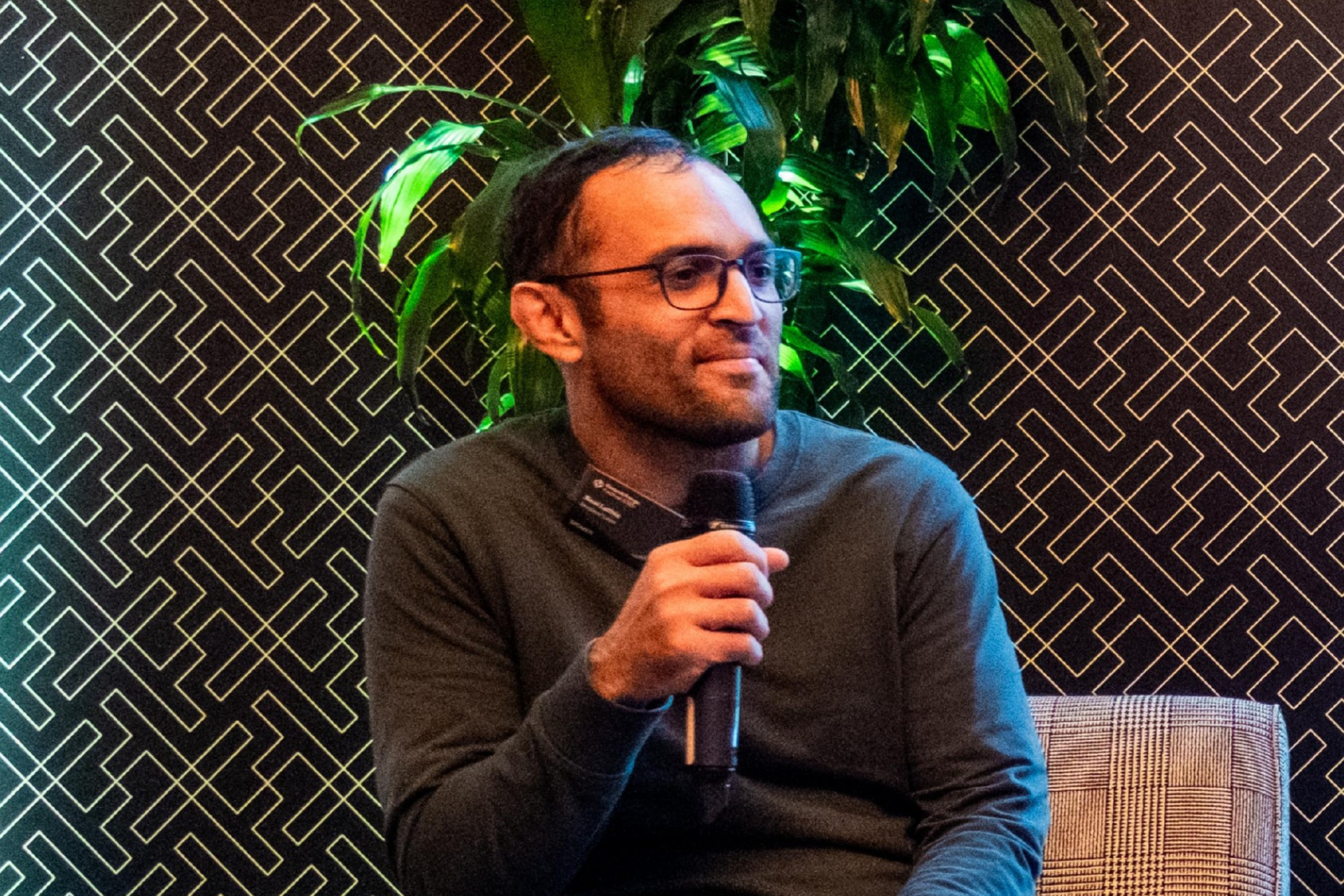
“AI is a nascent field, less than five years old in its current form. No one really knows what an AI engineer is yet. At Gradient Labs, we do not hire for the title; we hire for core engineering competencies like systems thinking and problem solving. In an AI-native business, every engineer is effectively an AI engineer. The difference is whether you are working in AI, tweaking the models, or on AI, applying those models to solve complex problems like customer support or risk management.”
Neal Lathia, CTO, Gradient Labs
If your engineers care only about the mathematical elegance of a model, and not about how it handles a real scam or a customer’s mortgage application, the business will struggle to scale. The model is the easy part. The outcome is the hard part.
The golden sign: pride and scepticism
When the underlying models become commodities, the moat is the quality of your implementation. That takes a particular mindset – one the panel kept coming back to as taste. The strongest signal of it shows up in a single interview question: what are you proud of?
The best answer isn’t a clever architecture. It’s a product a customer loved. And the best engineers are often the ones willing to argue that AI isn’t the right tool at all.
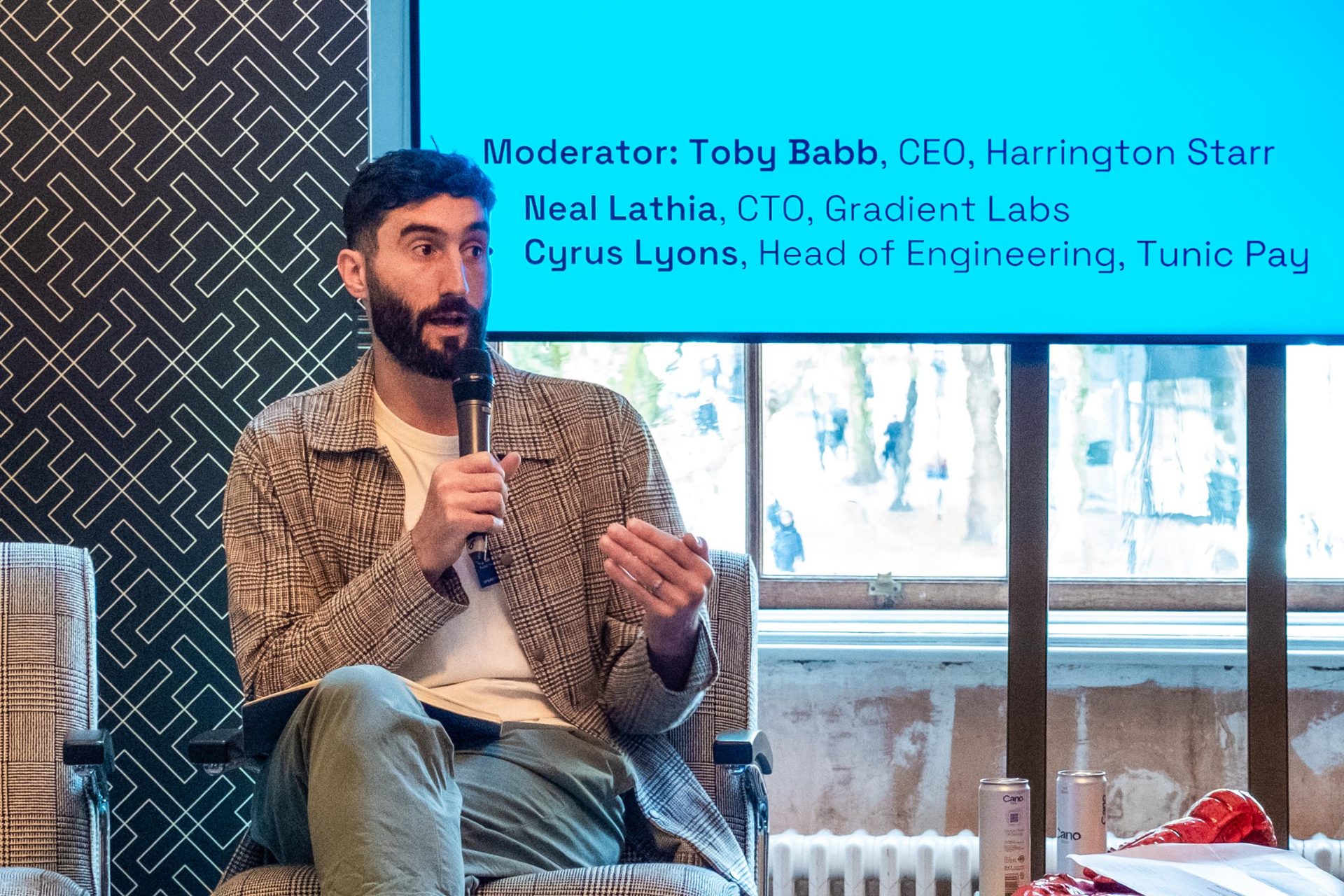
“The golden sign in an interview is when I ask an engineer what they are proud of and they talk about the difference they made to the user. I want to hear about the product they shipped that customers loved. That shows they care about the outcome. If they only care about the how and not the who, they aren’t right for a scaling business. We actually look for AI scepticism. We want people who will question if AI is even the right tool for the job. A good engineer might suggest a simpler, non-AI solution because it is more reliable for the customer.”
Cyrus Lyons, Head of Engineering, Tunic Pay
Scepticism, in other words, is a feature. The engineer who reaches for the simpler, more reliable solution is the one you want building your stack.
The great discontent: a poaching opportunity
All of this is playing out against some striking numbers. Survey data from across the sector points to widespread unhappiness, with the large majority of fintech professionals open to a move. That sounds like a crisis. For an agile startup, it’s an opening.
Startups can’t match Big Tech on salary. What they can offer is agency – the chance to shape the roadmap and ship to production fast.
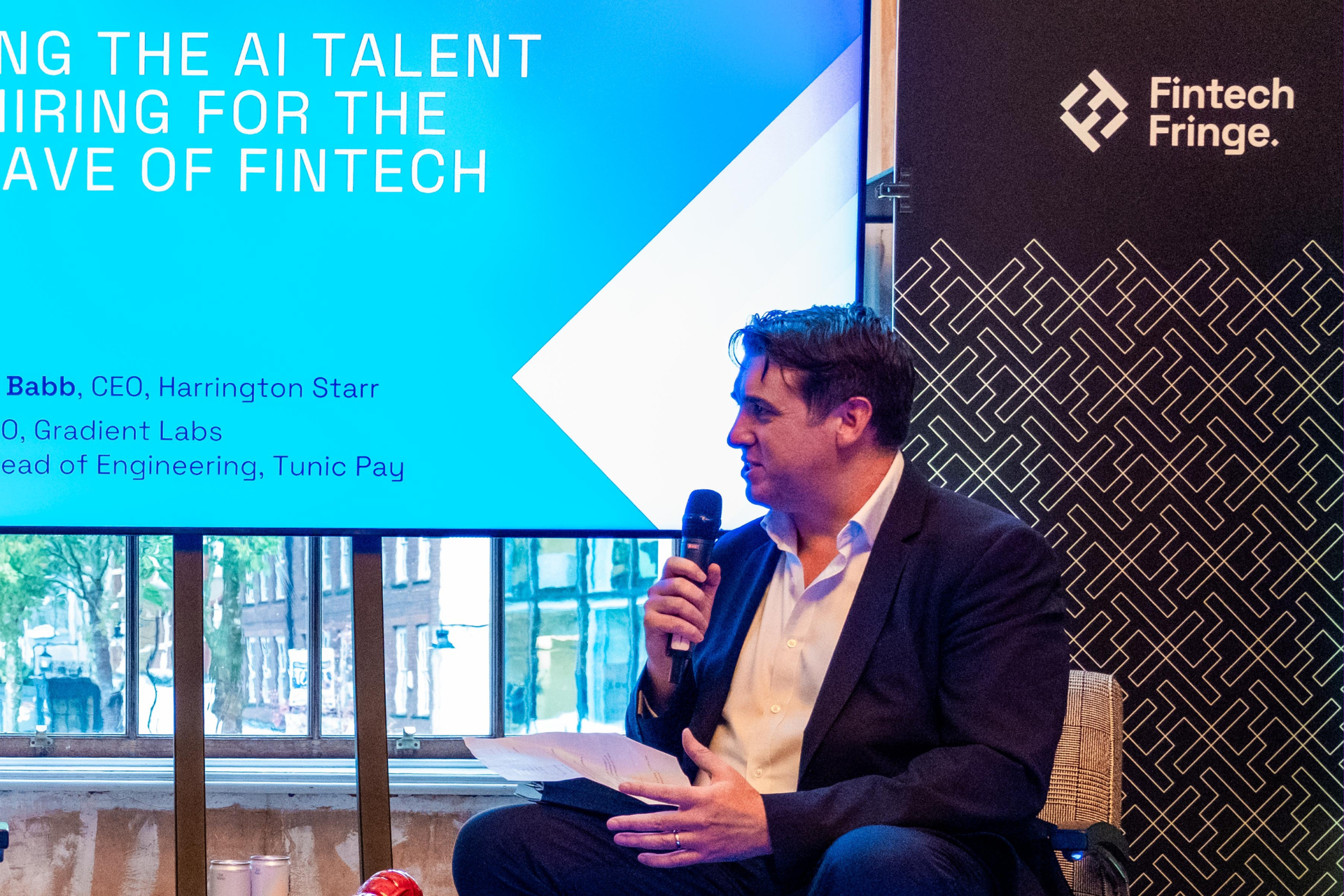
“Talent has stayed in their roles recently due to caution, not contentment. There is a simmering discontent. We are seeing engineers who are tired of being small cogs in massive corporate machines. Startups cannot compete with the two million dollar salaries being offered by the likes of Anthropic or Google, but they can offer agency. They can offer an environment where an engineer can define the roadmap and see their work in production in a week, not a year.”
Toby Babb, CEO, Harrington Starr
The pitch isn’t money. It’s influence – the difference between being one cog among thousands and seeing your work live by the end of the week.
London’s competitive edge: product over pedigree
The US West Coast may win on raw capital, but London remains the global capital for product-minded technical talent. The density of the UK ecosystem means developers here have a deep, intuitive feel for the language of fintech – the messy intersections of regulation, trust and utility.
That fluency matters more than raw AI brilliance, because the hard part of fintech isn’t the model. It’s understanding the problem.
“London is the fintech capital of the world for a reason. Engineers here tend to stay longer and they understand the problems we are trying to solve. You can be an AI superstar, but if you don’t understand the nuances of financial settlement or scam prevention, you have a massive learning curve ahead of you. Hiring from the local pool gives us builders who are already aligned with the mission.”
Neal Lathia, CTO, Gradient Labs
Hire from the local pool and you get builders who already speak the language. That’s a head start no amount of capital can buy.
The takeaway
Success in the next wave of fintech will be decided by the team you build now. Cracking the talent code isn’t about finding people who can write the best prompts. It’s about identifying engineers with systems thinking and a genuine obsession with customer value. Lean into London’s product-heavy talent pool, offer a culture of real agency, and a scaling fintech can outmanoeuvre the giants – salary gap and all.
The Scaling Checklist
Mindset over model. Stop looking for AI experts and start looking for outcome experts – if a candidate can’t explain the human value of the last thing they built, move on.
The sceptic test. In the technical interview, present a problem and ask whether AI is even the right solution; if they never reach for simpler alternatives, they lack the judgement your stack needs.
Use the discontent. Target the people quietly looking to move, and make your recruitment marketing about the agency gap in larger firms – show how much more influence a hire will have with you.
The pride prompt. Ask every candidate what one thing they’ve shipped that they’re most proud of, and use the answer to separate the model tweakers from the product builders.
Audit for taste. Check whether your engineers actually know what a good customer experience looks like; if they’re disconnected from the user journey, their cleverest work won’t turn into growth.
Prepare for agentic AI. Re-onboard your current team into the age of agents with real upskilling paths, so your existing talent never feels left behind.
These perspectives are drawn from a Fintech Fringe panel on building next-generation AI teams, hosted by Toby Babb (Harrington Starr) with Neal Lathia (Gradient Labs) and Cyrus Lyons (Tunic Pay).
Get Involved with Fintech Week London
Attend • Exhibit • Speak • Sponsor • Host
Cracking the AI talent code is one of the conversations on the Built to Scale track at this year’s Summit, themed Growth + AI. Fintech Week London runs 7–11 September: five days across the city, built around the two-day Summit on 9–10 September, where founders, investors, operators and regulators come to connect, collaborate and do business in the world’s number one fintech ecosystem.