The AI Investment Landscape – Where’s the Real Money Going?
Sponsored by CMS - Whether you're scaling, closing a strategic investment, or navigating complex compliance requirements, their fintech team helps you move fast with confidence.
May 2025: Insights from Scale & Grow by Calypso Harland, Founder, Fintech Fringe
Investors on hype, hard truths, and what actually gets funded in 2025
At Fintech Fringe’s Rise & Shine session on AI Investment & Scale: Where the Smart Money is Going, moderator Ian Horne opened the panel with a straight-talking challenge to the room:
"Is AI still a must-have in your portfolio - or are we seeing signs of fatigue?"
It set the tone for a session that was sharp, insightful, and brutally honest.
Speakers
Christian Nentwich, 13 Books Capital
Alexandra Edmonds, Mastercard
John Spindler, TwinPath

“Thin wrappers” aren’t getting funded
Christian Nentwich pulled no punches: the days of layering a basic interface on top of ChatGPT and calling it innovation are over.
“Don’t build a startup on top of someone else’s API and call it innovation. Thin wrappers around ChatGPT are not defensible.”
Christian Nentwich, 13 Books Capital
Instead, investors want four things:
A clear, meaningful problem to solve
A defensible tech stack
A mixed team with technical and commercial firepower
A sales cycle that doesn’t stretch 18 months
Startups with those ingredients? Fundable. The rest? Not so much.
AI is a tool - not the business model
John Spindler put it bluntly: just being “AI-powered” doesn’t make your pitch interesting anymore.
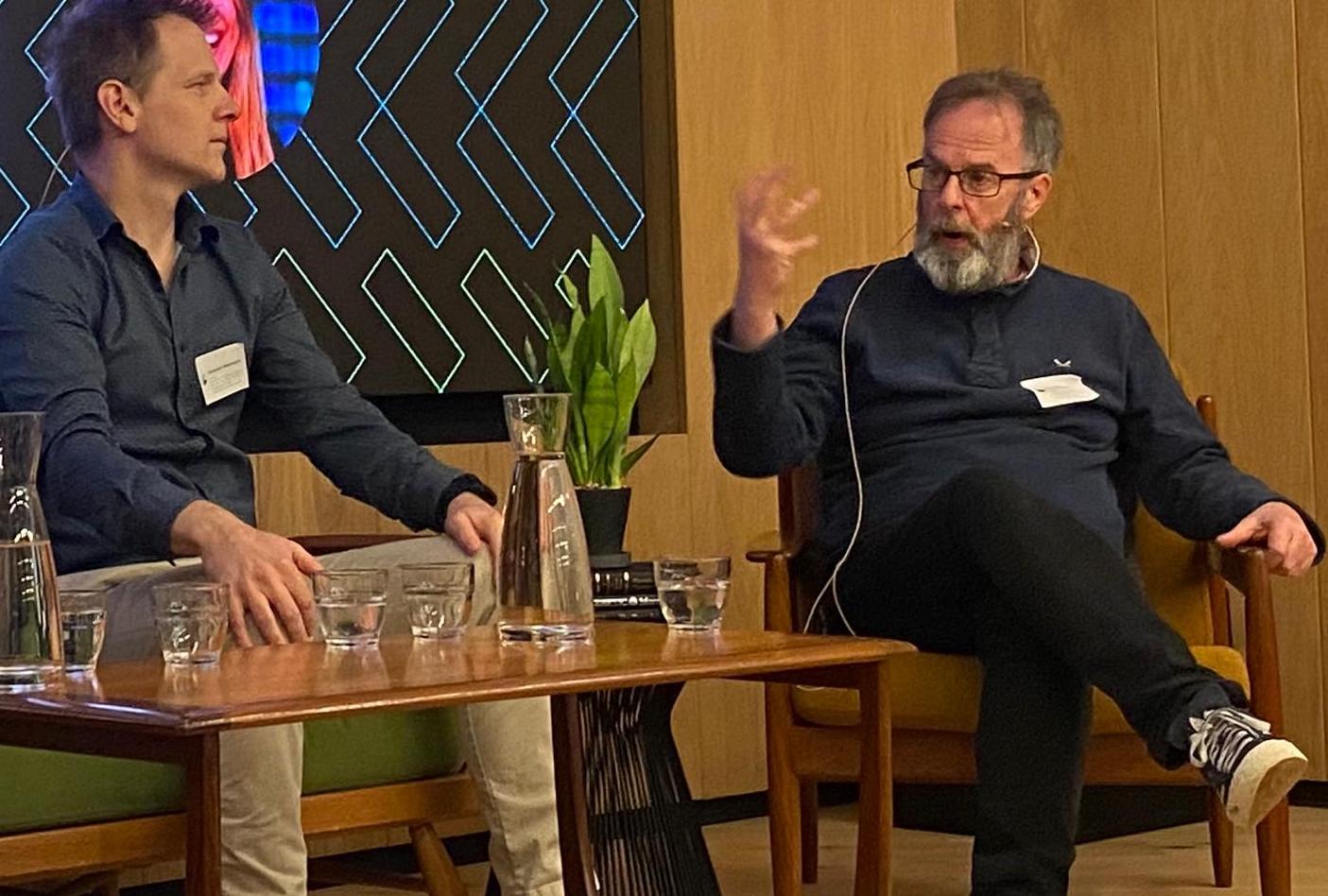
“AI is a tool, not a differentiator. The business model still rules.”
John Spindler, TwinPath
Alexandra Edmonds agreed. She’s backing teams who tie their tech to real-world behaviours and system improvements - like pairing recommendation engines with payment systems. That’s where she sees strategic value, especially from a corporate VC perspective.
Google searches are falling - what replaces them?
One of the most eye-opening insights: how user behaviour is already shifting. People are leaving Google for curated answers. AI isn’t just reshaping backend tools, it’s changing how we find, buy, and use products.
Startups need to rethink:
Discovery and SEO
Personalised journeys
Trust-building in agentic interfaces
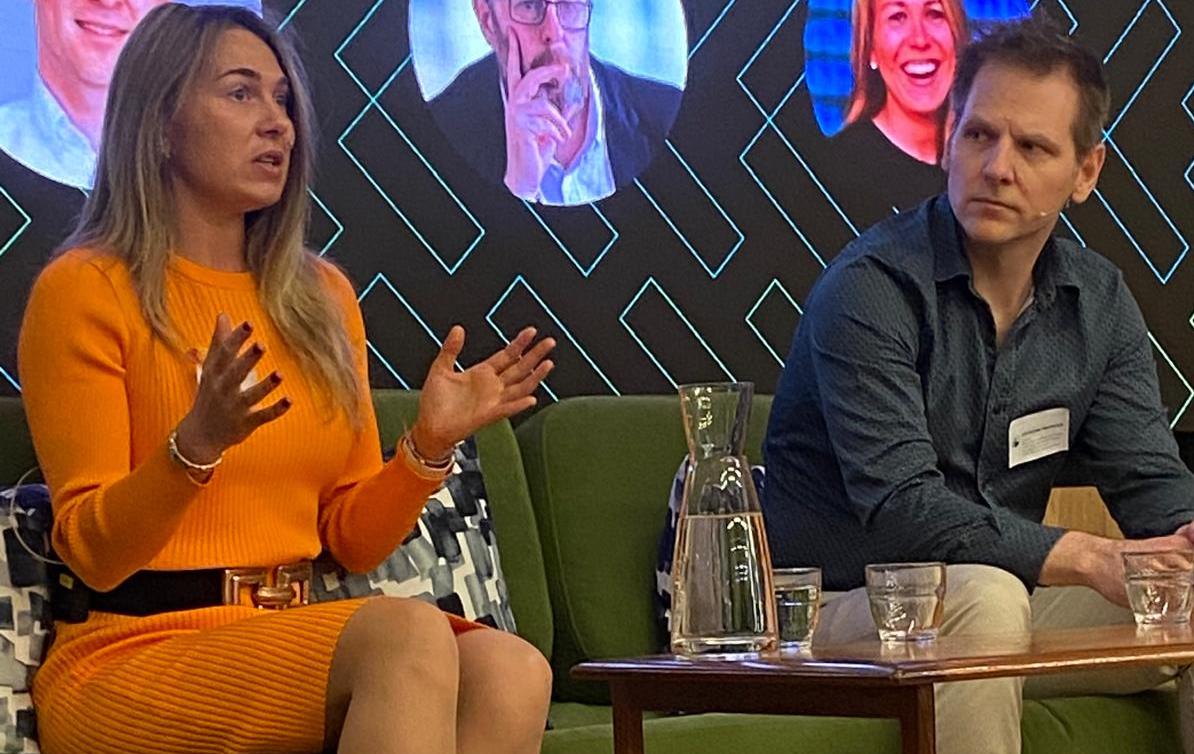
“How will we explain AI-powered products to users going forward? That’s part of the opportunity, too.”
Alexandra Edmonds, Mastercard
Is there a bubble? Sort of.
There’s no mass panic, but the panel called out frothy expectations.
“Everyone is competing for a small part of the pie - and few truly know what a sustainable AI business model looks like.”
Christian Nentwich, 13 Books Capital
The bottom line? LLMs can’t do everything. And the fastest-moving tech often outpaces regulatory readiness. Startups that help map and explain their impact - especially to regulators - stand out.
Risk, failure, and what founders still miss
AI may be hot, but investors are getting sharper and more sceptical. The panel was clear: hype doesn’t close deals anymore. Startups need to show their tech works, solves a real problem, and can scale responsibly.
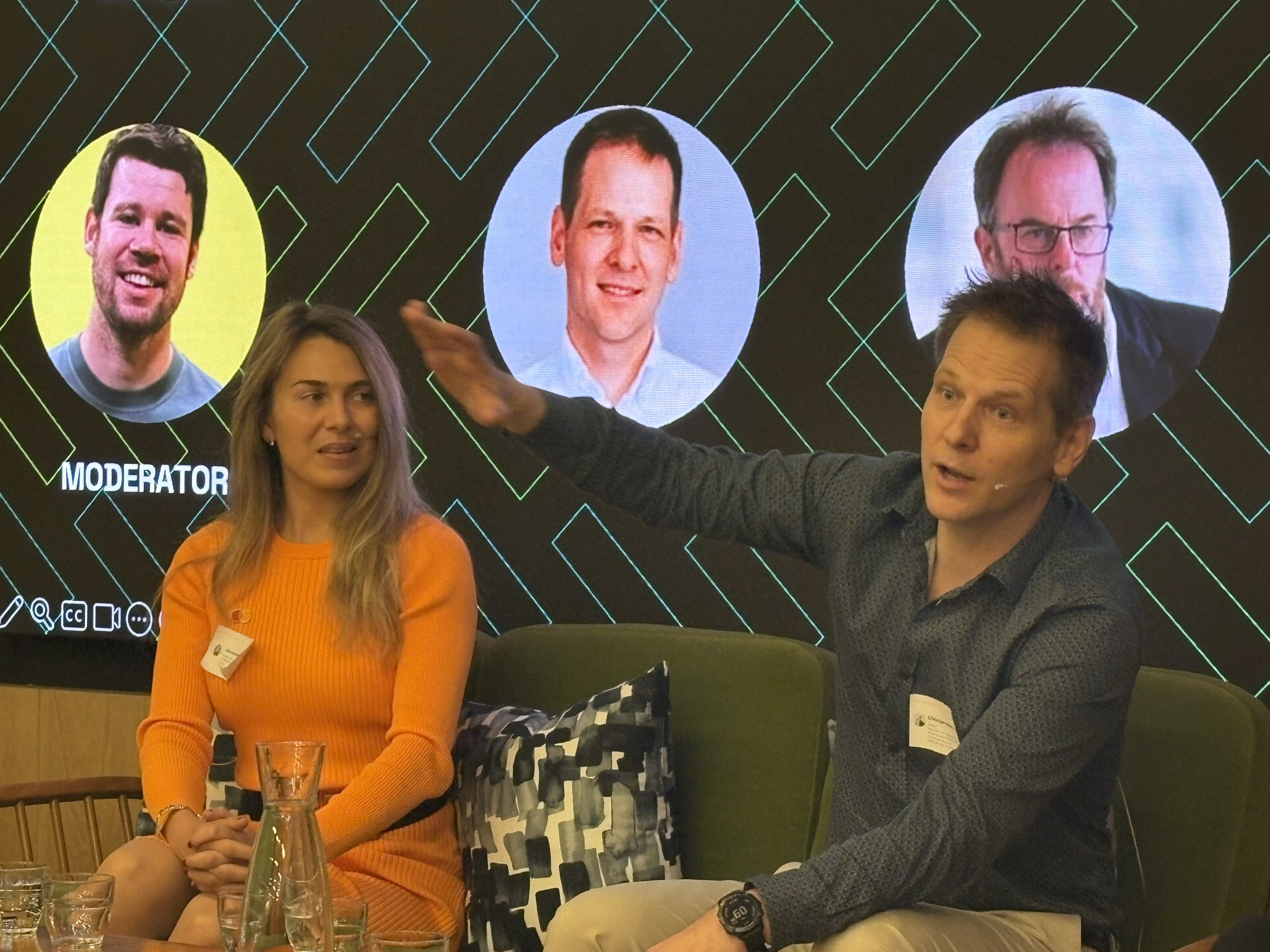
“Everyone is competing for a small part of the pie - and few truly know what a sustainable AI business model looks like.”
Christian Nentwich, 13 Books Capital
That gap between technical promise and business reality is where many founders stumble. Alexandra Edmonds pointed to the need for clearer links between product and commercial outcomes. John Spindler added that flashy tech is rarely enough: business models still win.
Founders who can combine proof of performance with a clear path to market? That’s where the smart money goes.
Final advice from the panel
Founders still stumble in familiar ways:
Overselling the tech
Underestimating the go-to-market challenge
Building with no real user in mind
The panel’s advice?
Pair tech depth with commercial sharpness
Get the product live and learn fast
Be honest about what AI can’t do
AI might still be hot but founders who build for hype, not defensibility, are getting left behind.