Embedded Payments: The Secret Growth Engine

Sponsored by SAP Fioneer, rock-solid technology to empower banks, insurance companies and challengers to grow and transform at scale and speed.
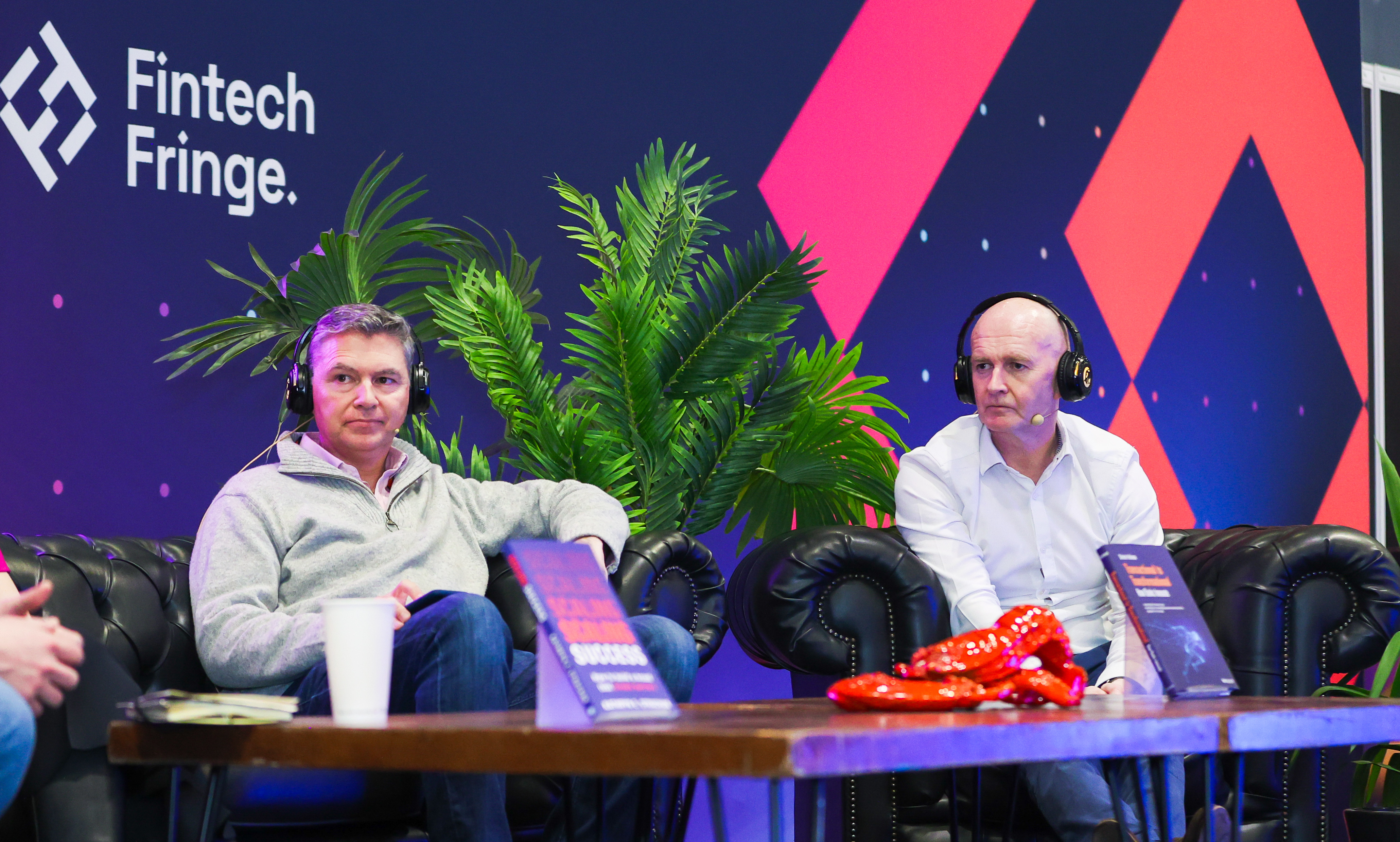
Hosted on the Innovation Stage at Pay360 by Fintech Fringe, this panel showcased how embedded finance is powering scalable, seamless customer experiences across sectors.
From frictionless onboarding to real-time revenue streams, the discussion surfaced practical insights for fintechs looking to integrate embedded payments into their offering.
Moderated by Dan Lowther, Head of Fintech at CCGroup, the panel featured:
Iana Dimitrova, CEO, OpenPayd
Andy Ellis, CEO, NatWest Boxed
Adam Moulson, Chief Commercial Officer, Griffin
From Friction to Function
“It’s all about removing friction .. Friction for the business receiving the payment, and for the person making it.”
Iana Dimitrova, OpenPayd
Iana emphasised that embedded payments are no longer just a cost-saving mechanism, but a revenue opportunity:
“Done right, embedded payments don’t just reduce operational overhead, they create new streams of income, from FX to white-labeled payment products.”
Iana then described how OpenPayd enables instant, cost-efficient, and localised payments while solving back-office challenges like reconciliation and settlement.

Why Embedded Works
Andy Ellis broke down the landscape into three segments: large brands seeking loyalty, established companies building on trust, and mid-size firms entering the space thanks to lower barriers to entry.
“These brands already serve millions. Embedded payments help them stay top of wallet, reduce costs, and increase loyalty,”
Andy Ellis, NatWest Boxed
Andy also noted that while scale helps, success depends on alignment: “You need similar capabilities and priorities on both sides, or the partnership stalls.”
For Adam Moulson, Griffin, embedded finance should be inclusive:
“It should be accessible to smart, focused businesses, not just the biggest brands.”
Adam called for safer, simpler integrations to unlock more innovation and competition.
Trust, Fit and Focus
All panellists returned to the theme of trust.
“Our clients are exposing their most valuable asset, their customers, to us. We have to earn that trust.”
Iana Dimitrova, OpenPayd
Adam Moulson agreed:
“As a bank, we bring value, but we need to share that value with the client.”
Adam gave examples of how Griffin supports early-stage fintechs by spinning up client money accounts quickly, managing the regulatory complexity on their behalf, and sharing yield generated on those funds:
“Instead of keeping that yield, we give it back to the client to help them grow”
Adam also stressed the importance of cultural fit:
“It’s not just product-market fit, it’s partnership fit. You need brave founders, curious engineers, and mutual commitment to the end customer.”
Don’t Overcomplicate It
On implementation, both Griffin and NatWest Boxed had strong advice:
“Start small and fast. Put something in front of the customer and iterate.”
Adam Moulson, Griffin
“You’ll hit regulatory, technical and commercial challenges. But if both sides are committed, you can overcome them.”
Andy Ellis, NatWest Boxed
Andy also cautioned against highly bespoke integrations that strain delivery teams.
Iana challenged:
“There’s always some level of bespoke. Choose a partner who’ll whiteboard with you, not just sell you a shelf product.”
Barriers and Lessons
In the final segment, speakers reflected on blockers. Iana highlighted regulatory complexity and the challenge of building infrastructure that’s cross-border and future-proof.
Adam warned against trying to serve everyone:
“Pick your market, know your customer, and be the best at solving their problem.”
Andy closed with realism:
“This work is hard. But it’s worth doing. Just make sure you’re truly in it together.”
Key Takeaways
Embedded payments reduce friction for both businesses and consumers and unlock new revenue streams.
Partnership fit is as important as product fit. Shared values and aligned incentives are essential.
Start small, fast, and focused, then iterate with your customers in mind.
Don’t fear some level of bespoke integration, true collaboration requires flexibility.
Trust is earned through delivery, transparency, and shared success with clients.