FinBank Partnerships That Scale
June 2025: Insights from Money2020 by Calypso Harland, Founder, Fintech Fringe
Scaling with Substance
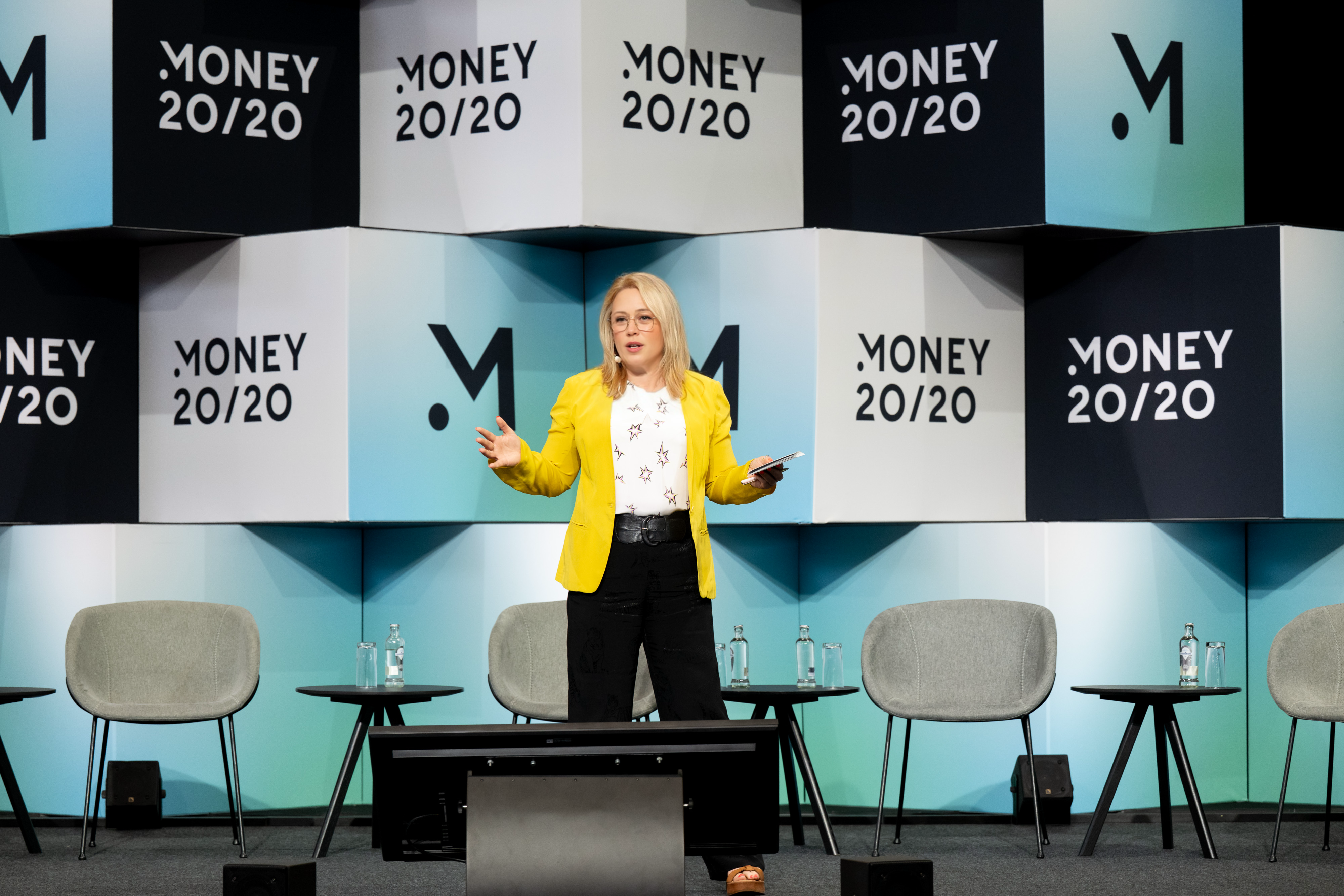
At Money20/20, I had the pleasure of moderating a straight-talking session on fintech-bank partnerships - the kind that don’t just start strong but scale with impact. We brought together leaders from Barclays, Nium, Fiserv, and Dandelion to dig into what really works.
Because here’s the reality: no fintech scales alone. And no bank can innovate fast enough on its own. Partnerships aren’t a nice-to-have anymore. They’re the engine of relevance and growth.
Moderator: Calypso Harland, Founder, Fintech Fringe
Jenni Himberg-Wild, Head of Financial Institutions Europe, Barclays - Leads pan-European partnerships with banks and fintechs at Barclays, with deep insight into what banks really want from collaborations.
Alex Johnson, Chief Payments Officer, Nium - Manages one of the world’s most complex cross-border bank networks - turning local relationships into global rails.
John Power is SVP, Head of JVs and Acquiring at Fiserv EMEA - Brings decades of experience building joint ventures and partnerships that scale across Europe and beyond.
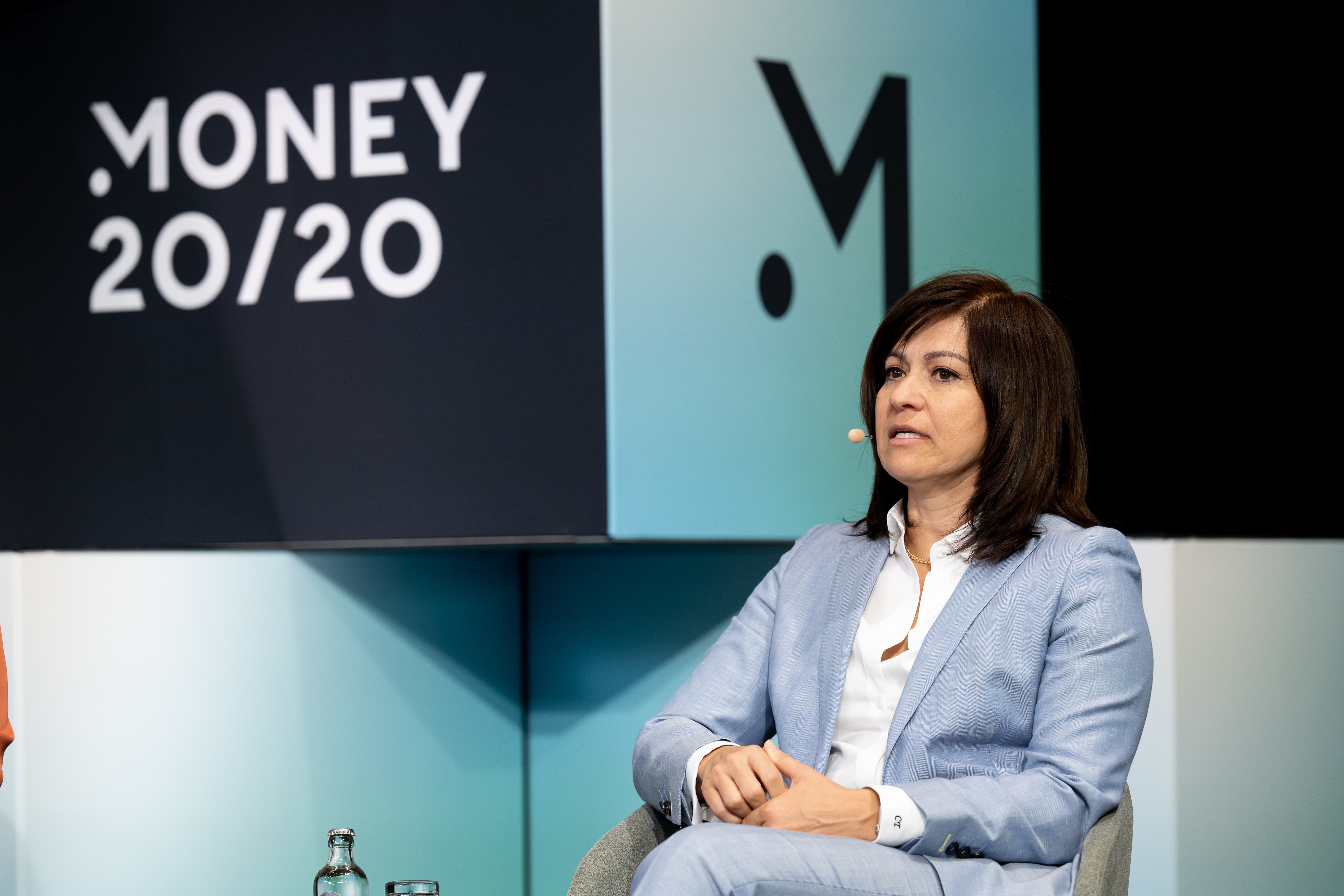
Cecilia Tamez, Chief Strategy Officer, Dandelion Payments - Sits at the intersection of strategy, data, and inclusive payments-focused on cross-border infrastructure that actually works.
The Innovation Clock Has Been Reset
Banks are under pressure to accelerate innovation. Procurement cycles that used to take 18 months now need to deliver results in weeks. To survive this shift, partnerships have become non-negotiable. NatWest’s acquisition and investment strategy is one example of how a traditional bank is moving fast by plugging in capability instead of building everything in-house.
But collaboration is only valuable when it solves a real problem. Too often, fintechs show up to a partnership conversation trying to sell, instead of listening. If you don’t understand what problem the bank is really trying to solve - or whether it has executive-level sponsorship - there’s no path to real impact.
If you want to cut through the noise and lessen the sales cycle? Partner with someone who’s already been rubber-stamped. Route-to-market partners like Softcat have already cleared procurement hurdles and can fast-track your access to buyers. Align with their roadmap and plug into existing relationships rather than starting from scratch.
From Foes to Functioning Partners - then to Competitors
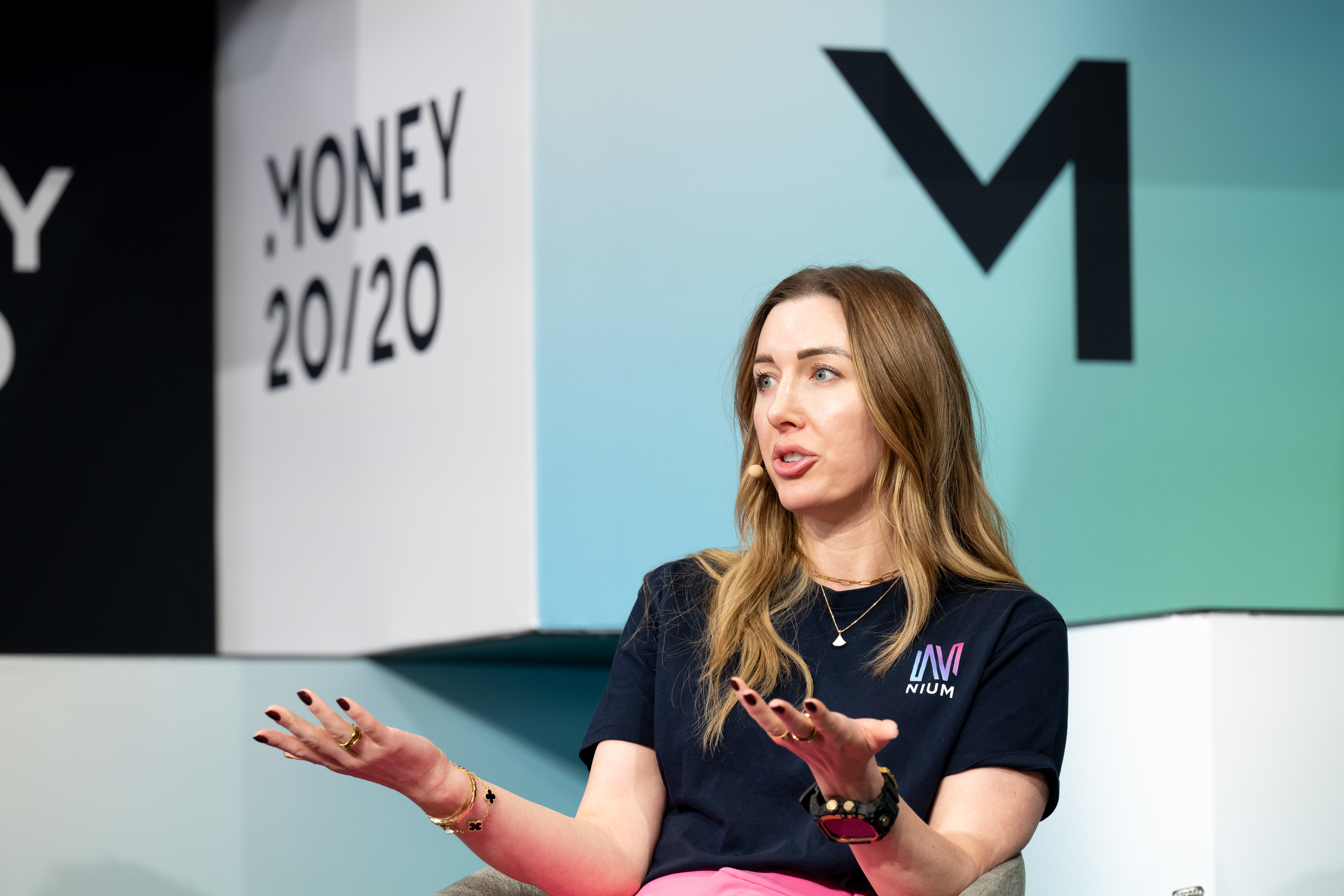
Alex Johnson, Global Head of Product and Commercialisation at Nium, brought a unique dual perspective as both a former banker and a fintech operator. Having spent years at JPMorgan and Bank of America before crossing over to fintech, she captured how the nature of partnerships has evolved.
"Five years ago, everyone was still asking if banks and fintechs were friends or foes. Thankfully, we've moved on," said Alex.
"Now, the conversation is about what collaboration actually looks like in practice."
Initially, fintechs came to banks for essential infrastructure. Then they flipped the model - offering those same capabilities back to banks as commercial services. It worked, for a while. But the game has changed again. She believes banks have consolidated their partner ecosystems and are increasingly cautious about onboarding new providers.
"If you’re in, you have to work to stay in," Alex said.
"Banks want to get more out of their existing relationships. If you’re on the outside, you’d better bring something extraordinary to the table - because they’re not going to spend six months onboarding you unless the value is undeniable."
Her takeaway: standing out isn’t optional. It’s essential.
The Shift from Vendor to Strategic Partner
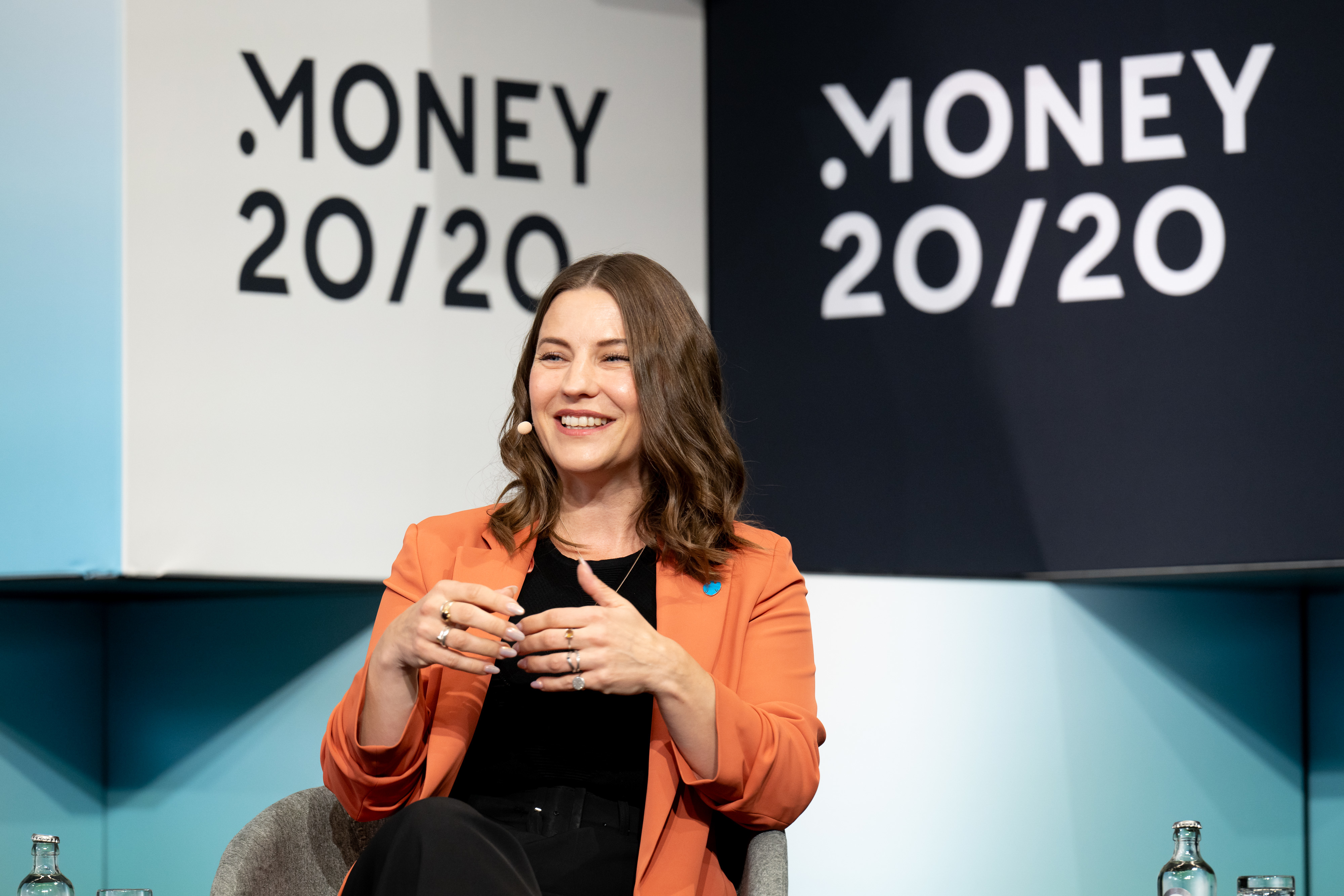
Jenni Himberg-Wild, Head of Financial Institutions Europe, Barclays, reframed the partnership approach entirely:
“We’re not just buying your tech. We’re buying your operational maturity.”
Today’s successful partnerships are commercially aligned - not just tech transactions. Banks want real partnerships built on shared goals, mutual KPIs, and joint go-to-market strategies. The Form3 x Barclays relationship exemplifies this: co-created product, joint client pitching, and scalable deployment based on a clear value split.
Fintechs need to know exactly what they’re offering and who within the bank to speak to. There’s no “one entry point” - it could be innovation, product, procurement, or ventures, depending on the ask.
She pointed out that many fintechs fail to speak the language of the bank. Features are great, but unless they map directly to a bank’s goals - cost reduction, risk mitigation, customer experience enhancement - they fall flat. Fintechs must make the bank’s life easier, not more complicated.
"We’re inundated with pitches, but most of them don’t demonstrate an understanding of our top-level objectives," Jenni explained.
"If you’re not aligned with our strategic direction, you’re not going to get internal buy-in."
Pitching also demands clarity.
“Be clear. Be concise. Have your 30-second pitch ready,” she said. “Understand how your solution fits into the bank’s world.”
In addition, Jenni warned;
“Bandwidth is a real issue. If someone tells you they’re not the right contact, believe them. Move on. Don’t waste time.”
Scaling through trust and readiness
Cecilia Tamez, Chief Strategy Officer at Dandelion, emphasised that even the most compelling solution can fail if it isn’t operationally ready. Dandelion enables cross-border payments by connecting to local payment rails - a heavy-lift proposition requiring high levels of trust, compliance, and execution.
"We go into every partnership knowing we’ll be evaluated on risk, scalability, and support," said Cecilia.
“Speed is great, but risk management, resilience, and compliance will always come first.”
Her point was clear: fintechs that prove they can handle surges in volume, pass rigorous compliance checks, and operate globally with reliability will always be the front-runners.
Cecilia also highlighted the next major growth opportunity: low-to-middle income markets.
“Banks want to serve these customers, but they don’t have the infrastructure. Fintechs like Dandelion are already there - ready to help banks plug into those markets through existing real-time payment networks.”

Enabling Banks to Move Faster
John Power, SVP, Head of JVs and Acquiring at Fiserv EMEA, John Power, EMEA GM at Fiserv, focused on simplifying the path to market for banks - especially those looking to enter or re-enter the acquiring space. With continuous innovation and high capital investment required, many banks are turning to outsourced models like Acquiring-as-a-Service (AQaaS).
John offered a clear-eyed view of what long-term partnership success looks like. For Fiserv, it’s all about scale, repeatability, and shared outcomes.
"We don’t do one-off integrations. Our clients are global, so we look for partners that can scale with us across regions and products," said John.
“That means shared roadmaps, joint go-to-market plans, and clear commercial alignment.”
He cautioned against underestimating the internal work required to make a partnership thrive.
"You can’t just toss tech over the wall. It’s a co-investment. You’ve got to show you’re willing to roll up your sleeves."
The Mindset Shift
Across the board, a consistent theme emerged: the most successful partnerships start with mindset. Banks aren’t just buying software. They’re buying risk mitigation, strategic alignment, and operational excellence. Fintechs that treat partnership as a transactional sales opportunity will lose out to those who view it as a shared growth mission.
That starts by listening. Not pitching. Not selling. Listening.
Understand the problem. Play it back. Then give your partner an asset they can use to sell the solution internally.
Because in today’s world, that’s the real differentiator.
From Talk to Traction: Join the Innovation Challenge Series
Fintech Fringe’s Innovation Challenge Series connects fintechs and financial institutions to solve real-world problems - fast.
Our first 2025 challenge tackled accessibility in payments for the 1.5 million people in the UK living with learning disabilities. In partnership with Project Nemo, we scouted fintechs offering inclusive digital payment solutions and created a direct path to implementation.
Upcoming challenges run July–September and October–November. If you're an established fintech or corporate partner with a real problem to solve, we want to hear from you.
Ready to turn insight into action?
Get in touch: calypso@fintechfringe.co