From Copilots to Agents: What’s Actually Ready to Run Your Workflows
Copilots help. Agents own the work. The difference matters more than the label – and the fintechs getting it right are the ones engineering for oversight, not just automation. Here’s what’s actually running in production.
Most of financial services has got comfortable with the copilot: an AI assistant that drafts, suggests and summarises while a human stays firmly in the driving seat. The next step is harder. Handing a workflow to an agent means letting software act on its own – with its own permissions, in its own environment, and sometimes on its own initiative.
That shift changes the engineering question from “how good is the model?” to “how is the system controlled?” – and it’s why the gap between a convincing demo and a production workflow is still so wide.
“A copilot is something that is doing stuff for you. You are the person that has agency. It’s operating as you, for you. An agent is going to run on its own. It’s going to have its own set of permissions, it’s potentially going to be proactive in the work that it does, and it’s going to be much more structured and much more controlled, because it doesn’t necessarily have all that human oversight.”
Sean Hederman, CTO, Zilch
Why copilots struggled to prove their value
Copilots have a measurement problem. When the human is still doing the work, it’s hard to say what the AI actually contributed – and the benefit isn’t spread evenly across a team.
The experience from early deployments in UK digital banking is telling. New starters leaned on the suggestions too heavily, the most experienced staff found them redundant, and only a narrow middle band genuinely gained. Language models have since made fully agentic systems possible, and the human role is shifting from doing the work to auditing it.

“We launched a copilot, it seemed to be doing well, and then I got a message saying: can you turn it off for anyone who’s still in their probation? They were overly relying on the AI and not really checking whether it was right or wrong. Then the most tenured staff told us it was kind of useless, because they already knew the right thing to do.”
Neal Lathia, CTO and Co-founder, Gradient Labs
Human meaningfully in the loop
“Human in the loop” has become a comfort phrase. In practice, an approval queue that is right 99 times out of 100 doesn’t keep a human in control – it trains them to stop looking. The design goal is to route only the decisions that genuinely need human judgment to a person, and let the agent own the rest.
“It’s not human in the loop, it’s human meaningfully in the loop. If all you’re doing is clicking an approve button because the agent gets it right 99 percent of the time, all we need is one of those little toys that just presses the enter button. What comes to a human has to require human intuition, knowledge and experience to actually solve.”
Sean Hederman, CTO, Zilch
Guardrails are engineering, not instructions
A common mistake is to treat guardrails as a longer prompt: more rules, more “must not” statements. That doesn’t hold up. The more instructions an agent is given, the more likely it is to ignore some of them, and agents that check other agents are still non-deterministic.
Production-ready workflows combine deterministic controls with narrowly scoped agents – one to summarise a conversation, one to categorise it, one to pull the customer’s data, one to decide, one to review. Underneath it all sits observability: tying agent activity to real business outcomes, not just throughput and quality scores.
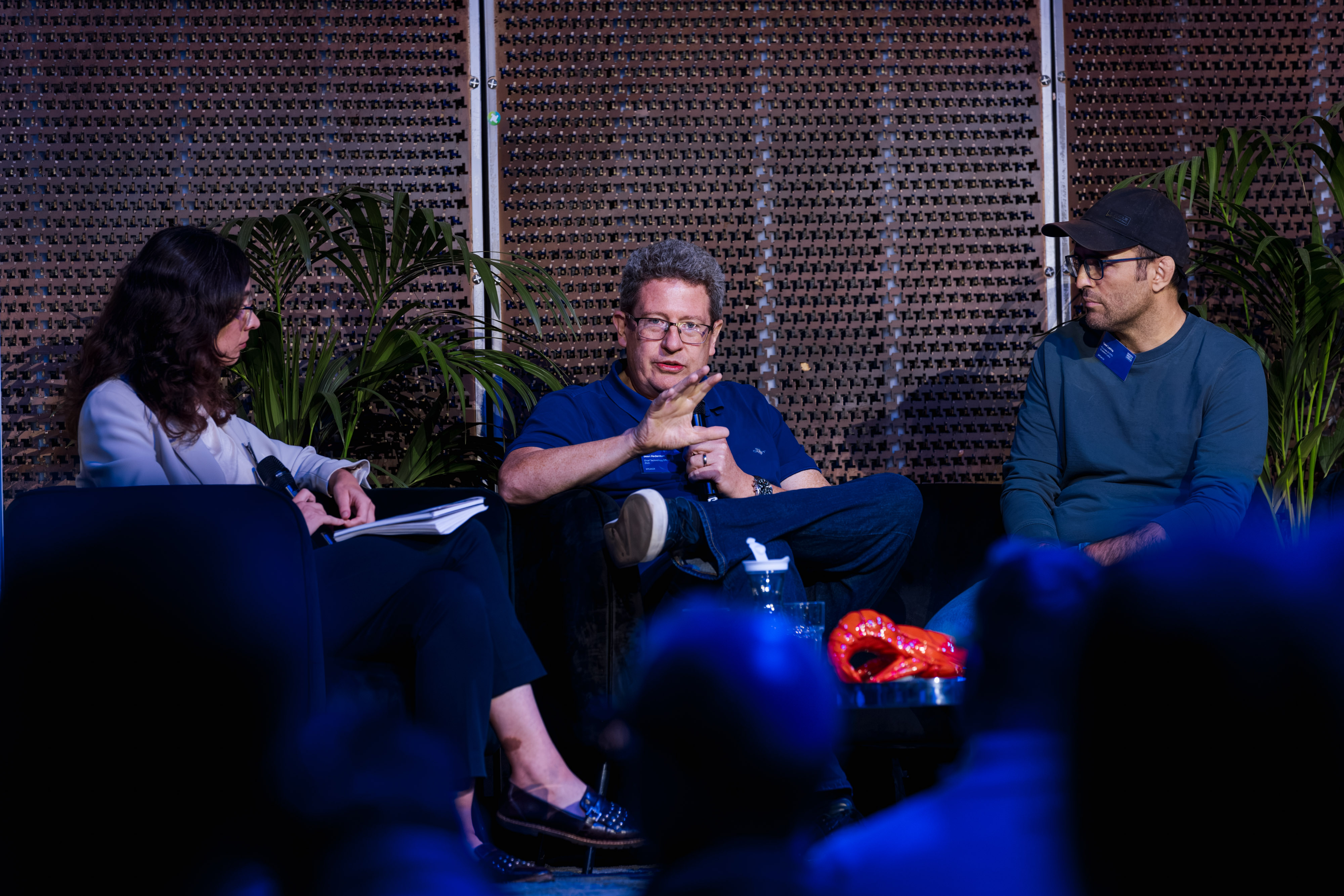
“A lot of people think guardrails means just telling the agent it mustn’t do something. That really does not work. You’ve got to have a combination of deterministic and non-deterministic wherever it makes sense, and you’ve got to keep agents scoped to the specific tasks they’re very good at. Ask one agent to do 18 different things and it will get confused eventually.”
Sean Hederman, CTO, Zilch
As good as your best human
Before deciding whether a workflow is ready, sit with the people doing it today. Are they following an operating procedure, or juggling twelve browser tabs and relying on years of learned intuition? Then ask how the business measures success in that area. If there’s no benchmark for the humans, there’s no fair test for the agent.
Not every error carries the same weight, either. Citing an out-of-date source is a minor slip; missing the signs that a customer is in serious financial difficulty is not.
“There are mistakes that are somewhat innocuous, and there are mistakes like an AI agent not detecting that a customer is in deep financial distress. That is a huge mistake. The catastrophic mistakes need to be designed out of the system – and the benchmark is that it must be at least as good as your best human.”
Neal Lathia, CTO and Co-founder, Gradient Labs
What’s running beyond the demo
At Zilch, agents now set up around 1,300 payment plans a month – discussing a customer’s circumstances, agreeing a plan, entering it into the system and scheduling the reminders, with no human involved. Roughly 70 percent of customer conversations are handled by AI agents. Agents also help collate consumer duty documentation for the FCA, with a human meaningfully in the loop, while a swarm of collaborating agents tackles bug fixes in engineering.
At Yonder, Gradient Labs agents have rebuilt the disputes process. A frontline agent collects the customer’s evidence in a single chat and passes it to a separate disputes agent that investigates there and then, keeping the internal rules private. A process that once took two or three conversations over a week now happens in one, and humans focus on the final decision: refund up front, or take it to chargeback.
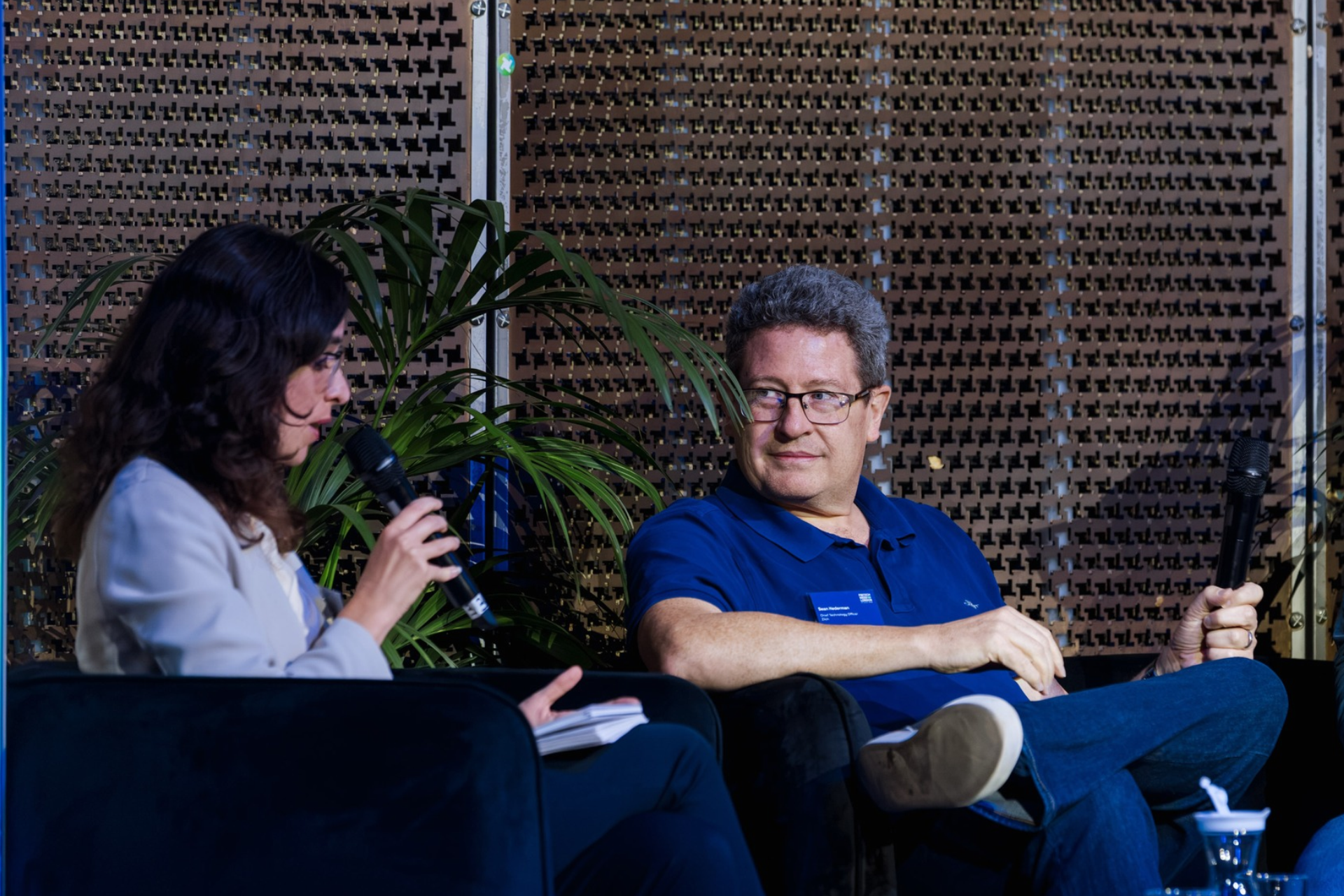
“For a lot of payments businesses, dispute resolution and chargebacks are just a massive drain on resources and time. Having help from an agentic workflow there could be really powerful.”
Sophia Furber, Fintech Research Analyst, S&P Global
Where the line is still drawn
Agents moving money on their own remain at the frontier, and most fintechs still hold back. Vulnerability and financial distress stay firmly with humans. Sean Hederman wouldn’t give an agent unrestricted access to his email – it’s still too easy to confuse or hack. And internally, teams need to resist “meat proxying”: pasting raw AI output to a colleague who then has to start again from scratch.
“Authorised push payment fraud is incredibly difficult for AI to handle right now. AI systems will still take the customer at face value. The customer is being coerced, and an AI will just believe them that, yes, they do want to move this money.”
Neal Lathia, CTO and Co-founder, Gradient Labs
The takeaway
Agents are ready to own well-defined, measurable workflows – payment plans, disputes intake, routine customer conversations – today. What separates production from pilot is structure: narrow scopes, deterministic controls, a clear benchmark against your best people, and humans reserved for the decisions that genuinely need them. The people freed up don’t have to disappear, either: the bigger prize is redirecting experts in your business to more valuable work.
The Scaling Checklist
Shadow the work first. Sit with the operators who run the workflow today. If the job depends on procedure rather than hard-won intuition, it’s a candidate for an agent.
Benchmark before you automate. Define how human performance is measured now. An agent has to be at least as good as your best human – and catastrophic errors must be designed out.
Make every review meaningful. If your reviewers are approving almost everything, you’ve built a rubber stamp. Route only genuine judgment calls to people, and tie agent activity to real outcomes.
These perspectives are drawn from the FWL “AI in Action panel - From Copilots to Agents: What’s Actually Ready to Run Your Workflows”, moderated by Sophia Furber (S&P Global), with Sean Hederman (Zilch) and Neal Lathia (Gradient Labs).
Get Involved with Fintech Week London 2027
Fintech Week London returns 20-24 September 2027: five days across the city, built around the two-day Summit on 21-22 September, where founders, investors, operators and regulators come to connect, collaborate and do business in the world’s number one fintech ecosystem.