Complacency is the Crisis: Your A-Team Might Already be Planning to Leave
Low attrition isn’t loyalty – it’s caution. The fintechs that scale will be the ones that treat retention as a growth strategy, not an HR afterthought.
In fintech, the A-Team is routinely cited as a company’s greatest asset. Plenty of leadership teams are also operating under a dangerous illusion of stability. Not long ago, losing ten percent of a workforce was a board-level emergency. Lower attrition rates since have lulled many into a false sense of security.
The market isn’t stable. It’s simply cautious. Mistake the lack of movement for genuine loyalty and you’re setting your firm up for a difficult year – because the people you’re counting on may already have one foot out the door.
The attrition illusion
The dip in people changing jobs is a story about market timing, not contentment. Employees are staying put because the wider economy feels uncertain, even as their day-to-day satisfaction slides. The survey data is blunt about it: a large share of the industry is actively unhappy.
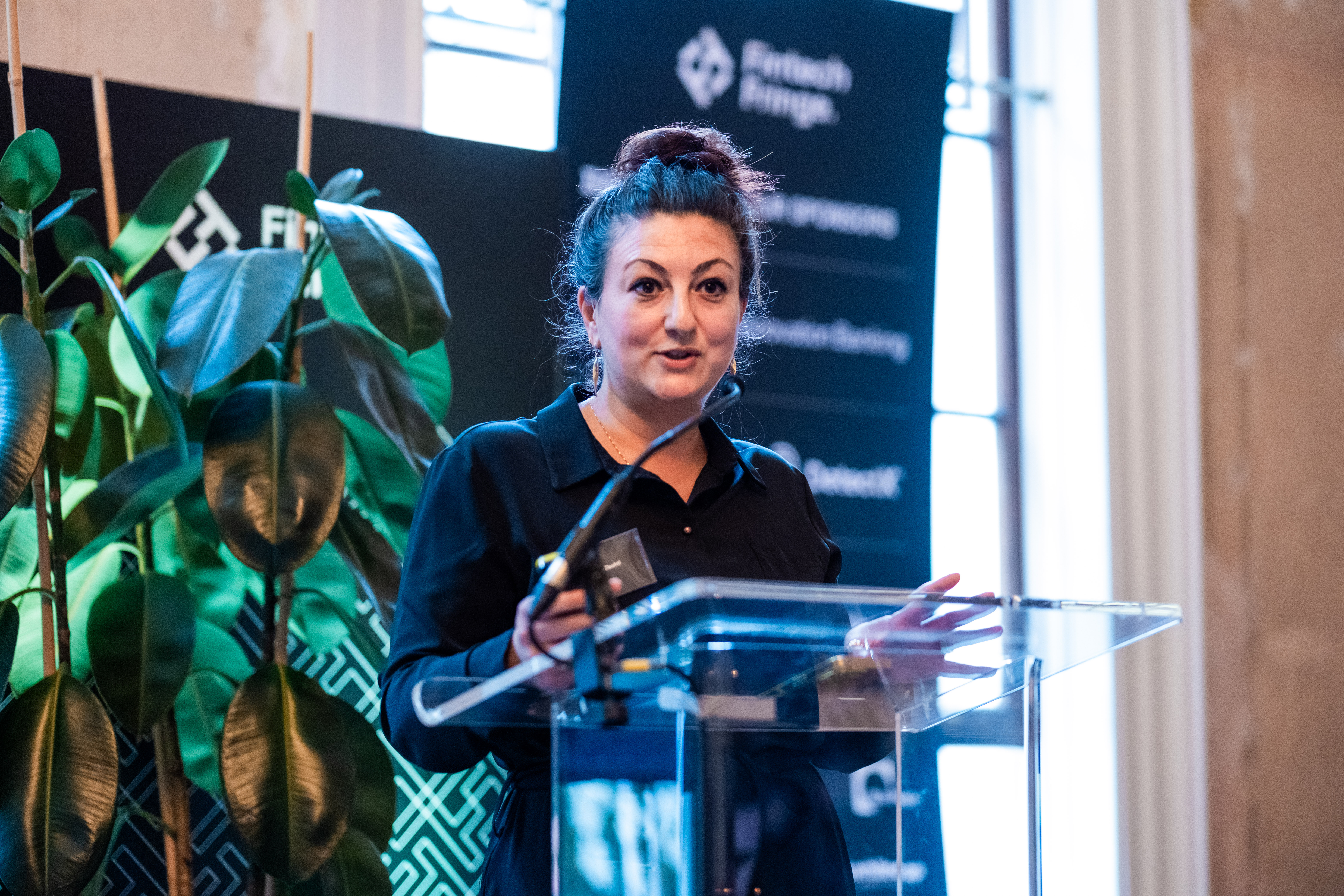
“47 percent of people are unhappy in their current roles. Discontent is simmering beneath the surface. People haven’t stayed because they are happy; they have stayed due to caution. If you are just filling seats rather than building genuine loyalty, your best people will leave the moment they feel the market is safe enough to jump.”
Nadia Edwards-Dashti, Chief Customer Officer, Harrington Starr
And the reasons aren’t only about pay. The top complaints were a lack of autonomy, the feeling of being silenced in decisions, and no clear path to learn new skills. For a scaling fintech, those aren’t HR niggles. They’re commercial risks.
The 89 percent warning
Look ahead and the picture gets more sobering still. When you ask professionals about their intentions for the year to come, the appetite for change is close to universal. For any firm trying to hold its momentum, that’s a serious problem.
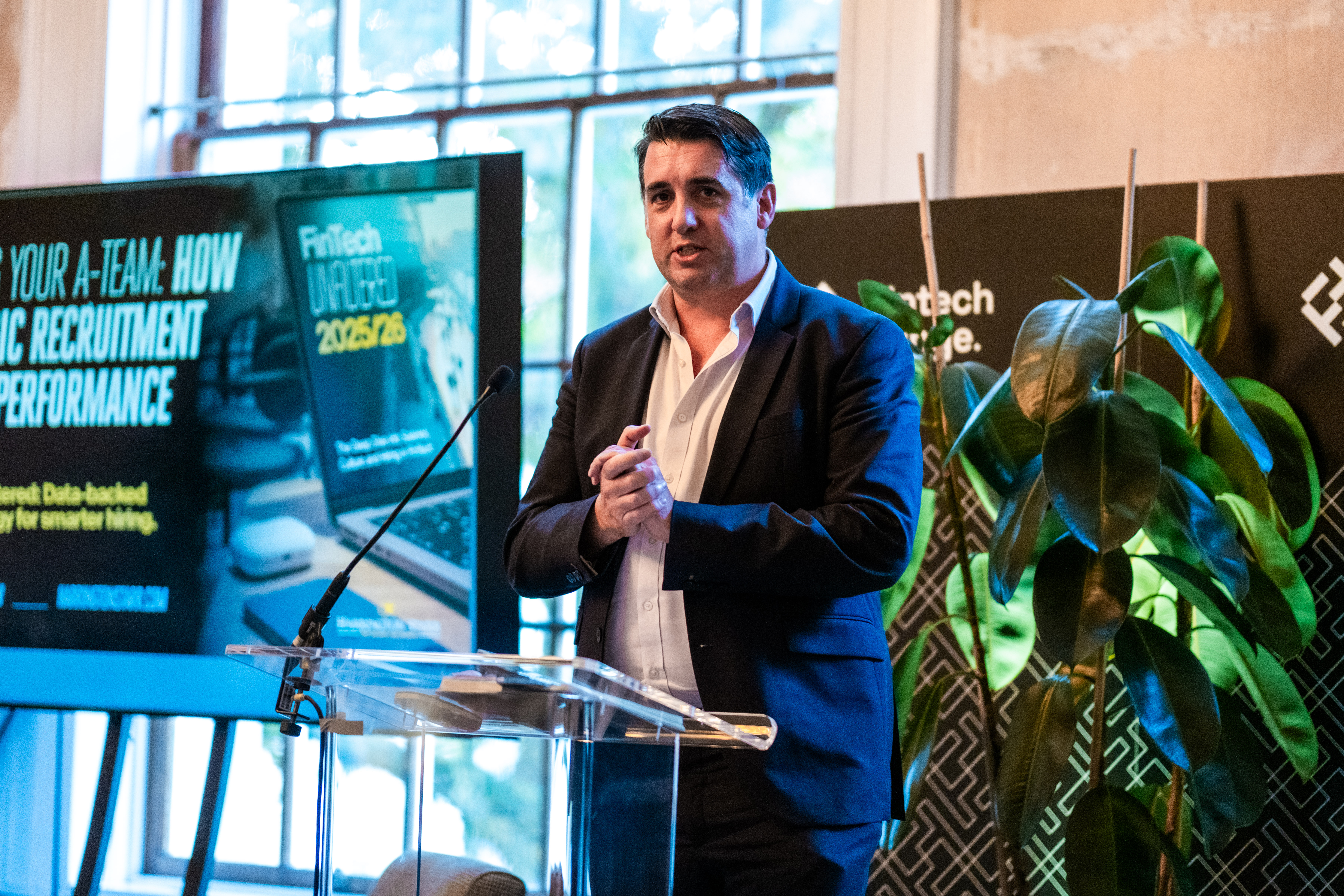
“Our research shows that 89 percent of professionals are likely to be looking for a new role in the coming year. If you have a team of ten and nine of them are potentially looking at the door, your ability to scale is at risk. Talent is the fundamental engine of your business. You can have the best product in the world, but with an unmotivated or departing team, you cannot execute.”
Toby Babb, CEO, Harrington Starr
The competition for that talent is no longer the fintech next door. Large US technology firms are nearshoring in London and offering salaries local firms simply can’t match. When a developer can treble their pay by joining a US-backed AI firm without leaving home, your A-Team becomes very expensive to keep.
The hidden cost of the candidate experience
There’s a quieter risk hiding in how firms treat the people they don’t hire. With applications flooding in, ghosting has become routine. The short-term convenience carries a long-term cost to your brand.
“Every interaction has a memory. If you have 300 people apply and you don’t respond to any of them, you are building a negative sentiment. Bad Glassdoor reviews and a reputation for poor candidate treatment will haunt you when the market flips back to a talent shortage. We are not taking the lessons of marketing and branding into the world of talent, and it will eventually lead to significant pain.”
Nadia Edwards-Dashti, Chief Customer Officer, Harrington Starr
Every applicant is also a future customer, a future hire, or a future reviewer. Treat recruitment like marketing – because the reputation you build today is the one waiting for you when the market flips.
The takeaway
Building an A-Team isn’t only about the hire. It’s about the re-onboarding. Scaling fintechs need to stop taking their current people for granted and start treating retention as a proactive growth strategy. The winners over the next year will be the ones who offer autonomy, psychological safety and a clear path to progress. Talent was never a code to be cracked. It’s a relationship that needs constant investment.
The Scaling Checklist
The re-onboarding audit. Ask yourself when you last sold your mission to existing staff, then book stay-interviews this month to learn what would actually make your top performers stay.
Fix the ghosting. Review your hiring process – an automated rejection beats silence every time, so make sure every candidate leaves with a neutral or positive view of your brand.
Autonomy as an asset. If you can’t match US salaries, compete on culture by giving teams real ownership of projects and a genuine voice in the roadmap.
The 89 percent test. Assume most of your team is considering a move, then ask what you’ve done in the last 90 days to prove that staying is the best move for their career.
Upskilling over pay-rises. When budgets are tight, offer promotion through experience – a path to learn AI integration, cross-departmental leadership or new technical skills.
Address the Glassdoor gaps. Be honest about your online reputation, and if reviews flag culture or candidate experience, respond publicly and show the steps you’re taking.
These perspectives are drawn from a Fintech Fringe session on building and keeping a high-performing team, with Nadia Edwards-Dashti (Harrington Starr) and Toby Babb (Harrington Starr).
Get Involved with Fintech Week London
Attend • Exhibit • Speak • Sponsor • Host
Building your A team is one of the conversations on the Built to Scale track at this year’s Summit, themed Growth + AI. Fintech Week London runs 7–11 September: five days across the city, built around the two-day Summit on 9–10 September, where founders, investors, operators and regulators come to connect, collaborate and do business in the world’s number one fintech ecosystem.