Caffeine, Duct Tape and Data: How to Hack Your First 100,000 Users
Early growth isn’t a smooth line on a chart. It’s scrappy, manual and occasionally a bit magic. Here’s how operators from Revolut and Wallet in Telegram actually found their first users.
In the polished world of venture pitch decks, growth is a smooth line climbing up and to the right. The reality is far messier – for the founders and marketers chasing their first 100,000 users, it’s less refined strategy and more hand-to-hand combat fuelled by caffeine and stubbornness.
Two veterans of the high-speed scale-up world make the point well: Chad West, CMO at Ready and employee number 12 at Revolut, and Irina Chuchkina, Chief Growth Officer at Wallet in Telegram. The starting ethos comes from Lucy Heavens.
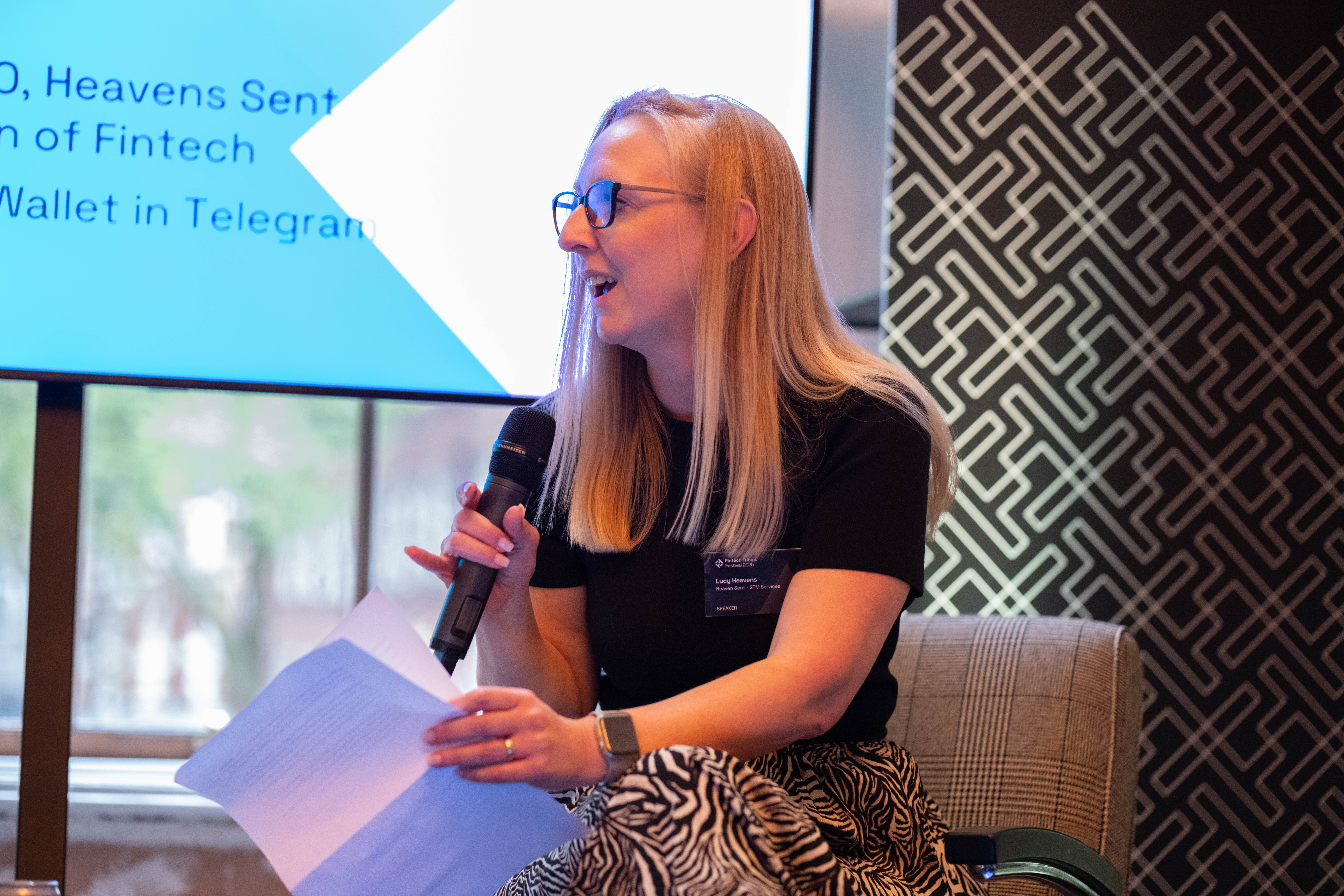
“I’ve always said early stage growth is 20 percent planning and 80 percent sheer stubborn scrappiness. Stop obsessing over your perfect growth model and start obsessing over your first 500 users and then ruthlessly learn from them.”
Lucy Heavens, Founder, Heavens Sent
The scrappy sprint: pilots and dogfooding
The first 10,000 users are the hardest, because nothing at that stage is built for scale. When Revolut was starting out, the team realised the product was essentially a travel tool – so rather than buying broad-market ads, they went where frequent travellers were: the cockpit.
“At that level, pretty much everything you do doesn’t scale and you should embrace that. We literally spammed airline pilots and cabin crew on LinkedIn with personalised DMs and tracked signups through unique links. Revolut’s first 10k users were overwhelmingly in that industry.”
Chad West, CMO, Ready
Irina Chuchkina makes the same point from the other side: if you aren’t your own best customer, you can’t expect anyone else to be. At Wallet in Telegram, the first growth epicentre was the office itself.

“You have to eat your own dog food. We turned employees into ambassadors with referral links. It was just a simple text bot at first that allowed anyone on Telegram to buy Toncoin. That first moment where you show someone in person how it works is magic, and that magic is what creates those first few hundred believers.”
Irina Chuchkina, Chief Growth Officer, Wallet in Telegram
Flip the funnel: value before verification
Fintech onboarding is notoriously hard. KYC checks act as a barrier and drive drop-off. The biggest mistake, Irina argues, is asking for everything before giving the user a reason to stay.
“If your onboarding feels too long or invasive, two thirds of users will abandon it. We flipped the script. We give users a sneak peek of the experience before they ever reach verification. It doesn’t allow them to do much, but it is enough to create that ‘aha’ moment. You cannot overwhelm people with 38 screens of identity checks before they’ve even seen the product.”
Irina Chuchkina, Chief Growth Officer, Wallet in Telegram
And acquisition is wasted money if retention isn’t solved first. Irina’s leaky-bucket point: pour 100,000 users into a product they leave after three days and you have no business.
“Never start scaling until you’ve fixed retention. If users drop off, your business is not sustainable. You’ll be out of business in a few months because the mathematics of your customer acquisition cost and lifetime value will never work. Fix the freaking retention first.”
Irina Chuchkina, Chief Growth Officer, Wallet in Telegram
Psychology over bribes: fixing the referral loop
Referral is the bedrock of fintech growth, but most firms treat it as a dry financial transaction. A £10 bribe rarely makes someone put their reputation on the line for you. The trigger has to be emotional, and tied to real value.

“There is no acquisition channel better than referral, but only if people genuinely love your product enough to put their own reputation on the line. At Revolut, we used behavioural cues. We would wait until a user returned from a holiday in Spain, then send them a push notification: ‘Welcome home. You just saved £50 in FX fees on that trip. You must know someone else going away soon who would want to save that too.’ We didn’t have to bribe them; we just showed them the value.”
Chad West, CMO, Ready
Hiring for the trenches
For a first marketing hire, the advice is blunt: skip the corporate pedigree. Big-firm marketers often lack the scrappiness to thrive where the rules change daily.
“Hire a hungry generalist. Not a senior marketer who needs a budget and a team to function. You need someone who will run A/B tests at 7am and interview customers at 7pm.”
Chad West, CMO, Ready
“Your first marketing hire should not be a corporate person. They need to unlearn too much. They are used to having an agency for everything. In a startup, you need someone who can break the system and then rebuild it.”
Irina Chuchkina, Chief Growth Officer, Wallet in Telegram
The takeaway
The path to 100,000 users isn’t in an elegant strategy deck. It’s in manual outreach, dogfooding your own product, and being ruthless about retention before spending a pound on acquisition. Growth isn’t elegant – it’s messy, emotional and occasionally a little magic. Community beats cash, and scrappiness beats almost everything.
The Scaling Checklist
The 10x filter. If an idea won’t move a core metric by 10x, it’s a nice-to-have – park it until you hit scale.
Fix the leaks. Before you spend on performance marketing, audit your day-30 retention. If it isn’t stable, your acquisition budget is being set on fire.
The sneak peek. Can you show a user the magic of the product before hitting them with a full KYC check?
Contextual referrals. Drop the dry referral banner. Find the exact moment a user feels the value – seeing a saving – and trigger the invite then.
Hire the generalist. For the first hire, prioritise analytical ability and scrappiness over a prestigious CV.
The founder challenge. If a CEO sets a target the product can’t support, challenge it before the budget is wasted.
These perspectives are drawn from a Fintech Fringe panel on early-stage growth, with Lucy Heavens (Heavens Sent), Chad West (Ready, ex-Revolut) and Irina Chuchkina (Wallet in Telegram).
Get Involved with Fintech Week London
Attend • Exhibit • Speak • Sponsor • Host
Hacking early growth is one of the conversations on the Growth Engine track at this year’s Summit, themed Growth + AI. Fintech Week London runs 7–11 September: five days across the city, built around the two-day Summit on 9–10 September, where founders, investors, operators and regulators come to connect, collaborate and do business in the world’s number one fintech ecosystem.