Brand or Be Forgotten: Why Brand Is the Final Frontier of Fintech Scaling
In a crowded market, your product gets you noticed and your brand gets you remembered. Here is how the people behind some of fintech’s strongest names think about the emotional unlock that separates the household names from the also-rans.
In the early years of a fintech, product is king. Founders obsess over APIs, latency and feature sets because they have to prove the thing actually works. But as a company matures and the market fills up, the technical “what” matters less than the emotional “why.” The firms that scale into global names are the ones that figure this out early, and the ones that don’t tend to get lost in the noise.
The reason is simple. When attention is scarce, trust becomes the currency that counts. Great brands are not built on features alone – they are built on a relationship with the person on the other side of the screen.
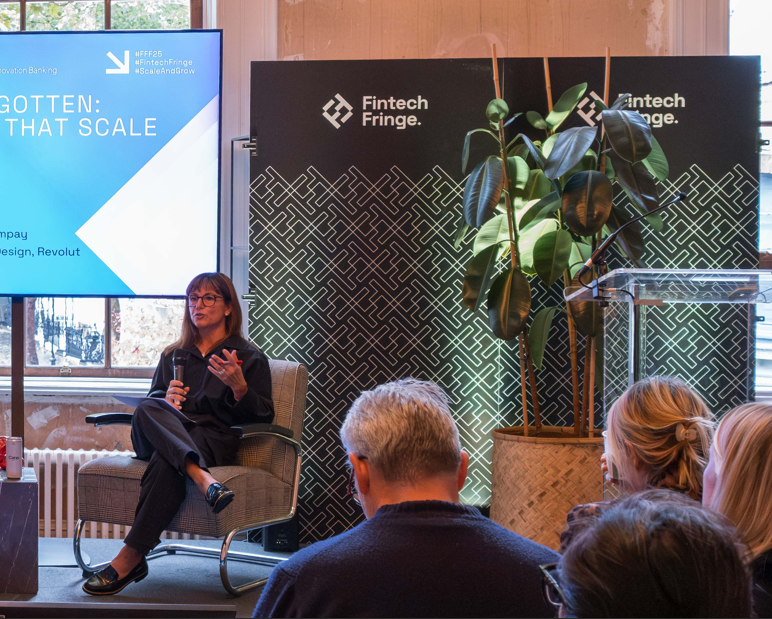
“Jeff Bezos famously said that brand is what people say about you when you are not in the room. In a commoditised market, brand is what gets you on the shortlist. Winning loyalty today means understanding people on a deeper level: their aspirations, their frustrations, and their values: and crafting experiences that speak to those truths.”
Miranda McLean, CMO, Ecommpay
The body language of banking
One of the most useful ideas to come out of the conversation is that a brand has “body language.” It is defined less by the logo at the top of the page and more by how the company behaves in its most ordinary, least glamorous moments – the automated email, the error message, the way a support agent talks to you when something has gone wrong.
Scaling a brand, on this view, is not a visual refresh. It is a question of aligning the whole culture so that every touchpoint tells the same story.
“Brand is not just how you look or your logo at the top of a page. It is your body language through how you interact with your audience. It is how you speak to them, how you show up in an automated email header, or how your customer service agents are trained to stay on the phone and chat rather than rushing to get people off the line. Those things are the body language of the brand, and they build the warmth and honesty that customers cherish.”
Neil Cooper, Creative Director, Starling
The implication is uncomfortable but true. If marketing promises a revolutionary experience and the support script feels like a high-street bank circa 1985, the brand is broken. Authenticity is the thread that turns a tool into a teammate.
Paying the credibility tax
Both Revolut and Starling followed a strikingly similar path. They spent the best part of a decade getting the plumbing right before they earned the right to tell a bigger, more emotional story. That long stretch of product focus was not a detour – it was the foundation everything else now sits on.
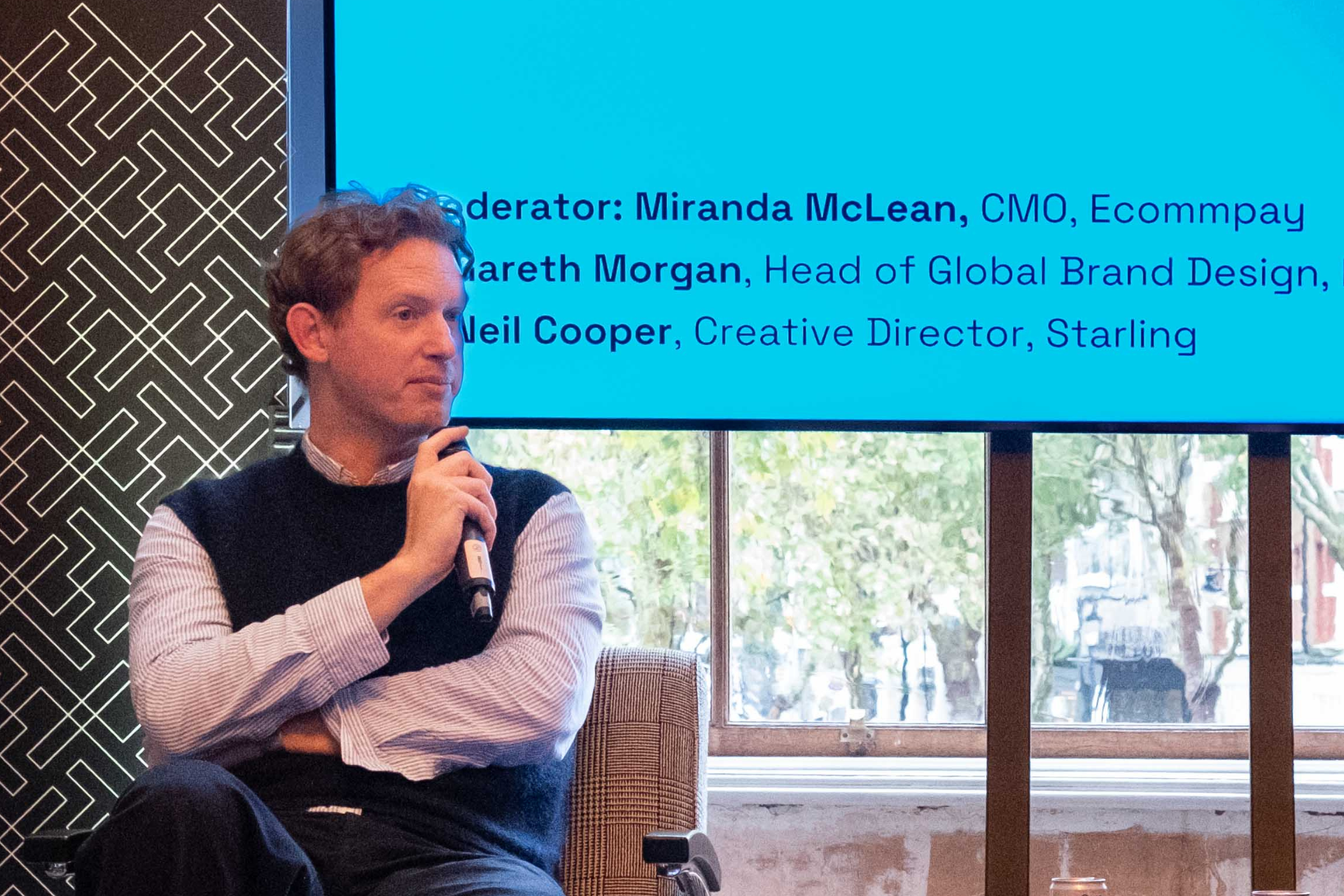
“Revolut spent the best part of ten years building the product. We had to pay our dues in terms of credibility and understanding in the market. We moved from a campaign called ‘100 reasons to join,’ which was very functional, to showing the spirit and ambition of the brand. We realised that we are fast and ambitious, and eventually, we decided to own that. Now we only entertain partnerships with those who are the best in their field, such as Arsenal. It is about empowerment and optimism.”
Gareth Morgan, Head of Global Brand Design, Revolut
You cannot manufacture that kind of credibility. It is earned in the slog, and only then can the brand story afford to get ambitious.
The human truth behind the segment
A real point of debate for scaling firms is whether B2B and B2C audiences need entirely different brand personas. Revolut keeps a clear line: retail leans into lifestyle, business stays grounded in product.
“For business, it is a less developed narrative than retail. We speak more to product truths and the specific benefits we can provide a business owner. Retail is way more lifestyle led.”
Gareth Morgan, Head of Global Brand Design, Revolut
Starling sees it differently, and argues that the hard split between “business” and “retail” is often a corporate fiction that ignores how people actually live.

“We see business and retail customers as having the same problems. You might be a mother of two who also happens to run a business. We try to talk to that person with human truths rather than switching into a different persona just because we are talking about their business account. The strongest brands don’t just stand out; they stand for something. They are memorable because they spark a genuine emotional and psychological connection.”
Neil Cooper, Creative Director, Starling
Refine over redefine
When a company is growing, the temptation is to blow everything up and start again, as if a total rebrand is proof of a new chapter. Starling’s recent evolution was a lesson in restraint. After talking to customers and finding deep trust in the existing identity, the team chose to polish rather than pivot.
This is where scaling fintechs hold a real advantage over legacy banks, which move like oil tankers struggling to change course. A growing fintech has the agility of a speedboat – it can find a specific niche and speak to customers with a humanity the incumbents simply cannot match.
The takeaway
The move from functional tool to intentional brand is the last big unlock in scaling. Technology moves fast, but what differentiates a business over time is the feeling people get when they think of it. The best brands make the underlying technology invisible, so the utility and the emotional connection can take the headline.
The Scaling Checklist
Audit your body language. Read your own invoices, error messages and support scripts and ask whether they sound like your brand or like a legacy bank in disguise.
Earn the right first. Get the product plumbing flawless before you spend on high-concept advertising, because you cannot fake authenticity when the promise outruns the experience.
Humanise the segment. Skip the “B2B persona” trap and treat business users as people with home lives and real stresses, not corporate entities.
Refine over revolution. Find the core that customers already trust and polish it, rather than reinventing the wheel for the sake of looking new.
Own your connotations. If you are known for being fast, scrappy or aggressive, lean into it and pick partnerships that reinforce that identity rather than hiding from it.
Aim for invisible tech. You have won the brand argument when customers stop talking about your features and start talking about the life goals you helped them reach.
These perspectives are drawn from a Fintech Fringe panel on brand and scaling, with Miranda McLean (Ecommpay), Neil Cooper (Starling) and Gareth Morgan (Revolut).
Get Involved with Fintech Week London
Attend • Exhibit • Speak • Sponsor • Host
Brand or be forgotten is one of the conversations on the The Growth Engine track at this year’s Summit, themed Growth + AI. Fintech Week London runs 7–11 September: five days across the city, built around the two-day Summit on 9–10 September, where founders, investors, operators and regulators come to connect, collaborate and do business in the world’s number one fintech ecosystem.