The Future of Trust in Fintech: Building Loyalty in the AI Era
As AI makes more of the decisions, transparency is no longer enough. The fintechs that win loyalty are the ones that can prove their systems are working on the customer’s side.
In the early days, fintech trust rested on a simple promise: we are not a bank. As the industry has matured and AI has taken over more of the customer-facing decisions, that foundation has shifted. Trust is now fintech’s strongest currency – but it is no longer enough to be transparent. You have to be provable.
When an AI model sets a credit limit or rejects a loan, the “black box” stops being a technical curiosity and becomes a commercial risk. A customer who doesn’t understand why they were turned down doesn’t just walk away; they lose faith in the whole brand.

“AI is changing everything, and trust is now the strongest currency a fintech can hold. To build true loyalty in this era, we have to look at how leaders are earning that trust through ethics, transparency, and intentional design.”
Kristina Mydlar, Founder and CEO, Mydlar Consulting
The transparency of the algorithm
Trust in the AI era is built on explainability. The regulator is no longer satisfied with “the computer said no”, and scaling fintechs have to be able to peel back the layers of their own decision-making.
That matters most in lending and payments. A credit model that is inadvertently biased against certain groups is a legal and reputational liability waiting to surface. Loyalty depends on a glass-box approach, where the logic of the AI is accessible to the regulator and the customer alike.
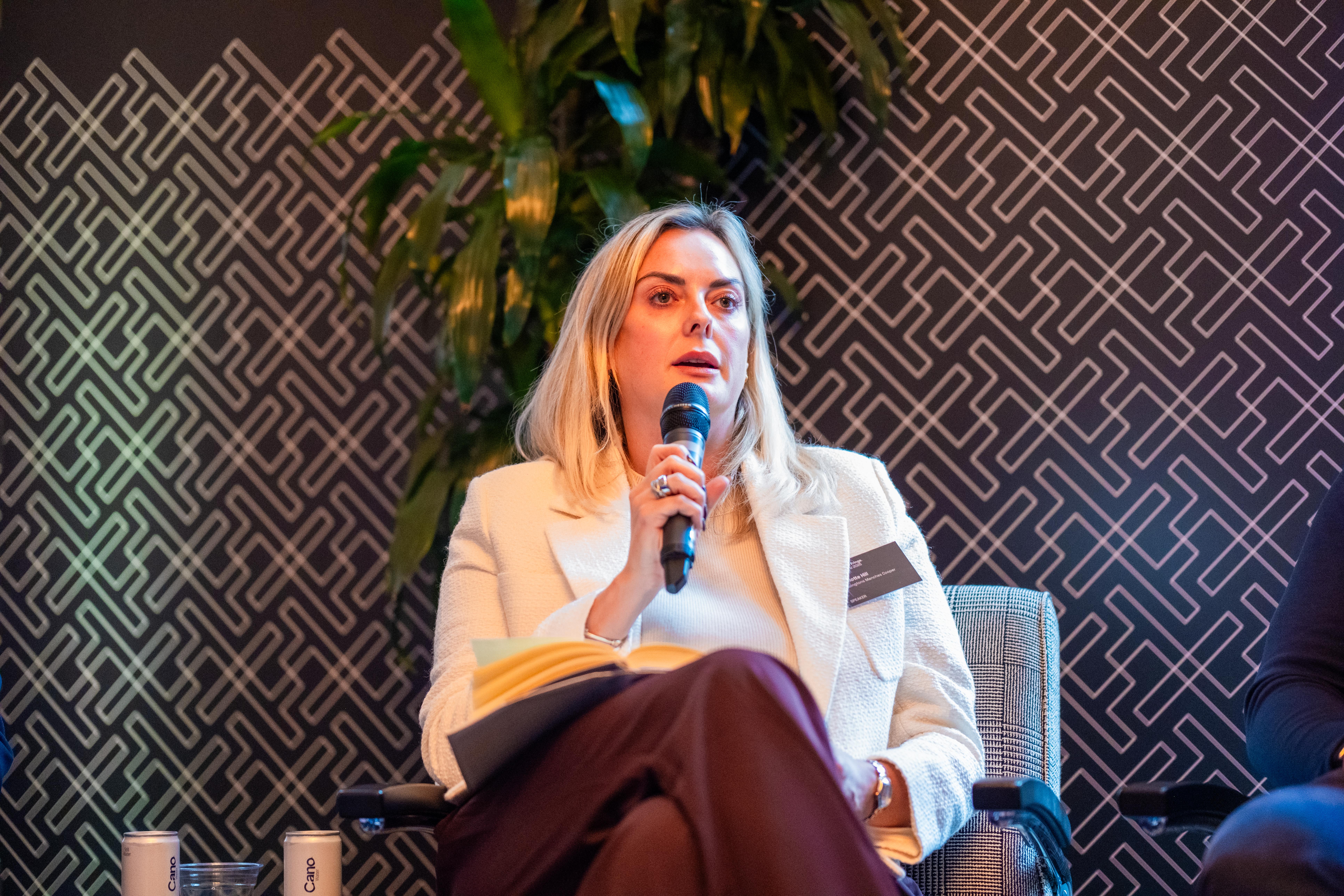
“Trust is now a legal requirement. Under Consumer Duty, you have to prove that your AI models are delivering good outcomes. Transparency isn’t a marketing slogan anymore; it is the fundamental architecture of a sustainable fintech.”
Charlotte Hill, Partner, Penningtons Manches Cooper
Design as a trust signal
We tend to file trust under back-end security, but it is just as much a front-end design challenge. Trust is built in the micro-moments – when a transaction clears or an AI assistant offers advice, the interface has to signal that the system is working on the user’s behalf.
The firms that scale well use design to humanise the AI: clear feedback loops, and escape hatches where a customer can reach a human when the machine fails to grasp their situation. Loyalty is won when the technology feels like an advocate rather than an automated gatekeeper.
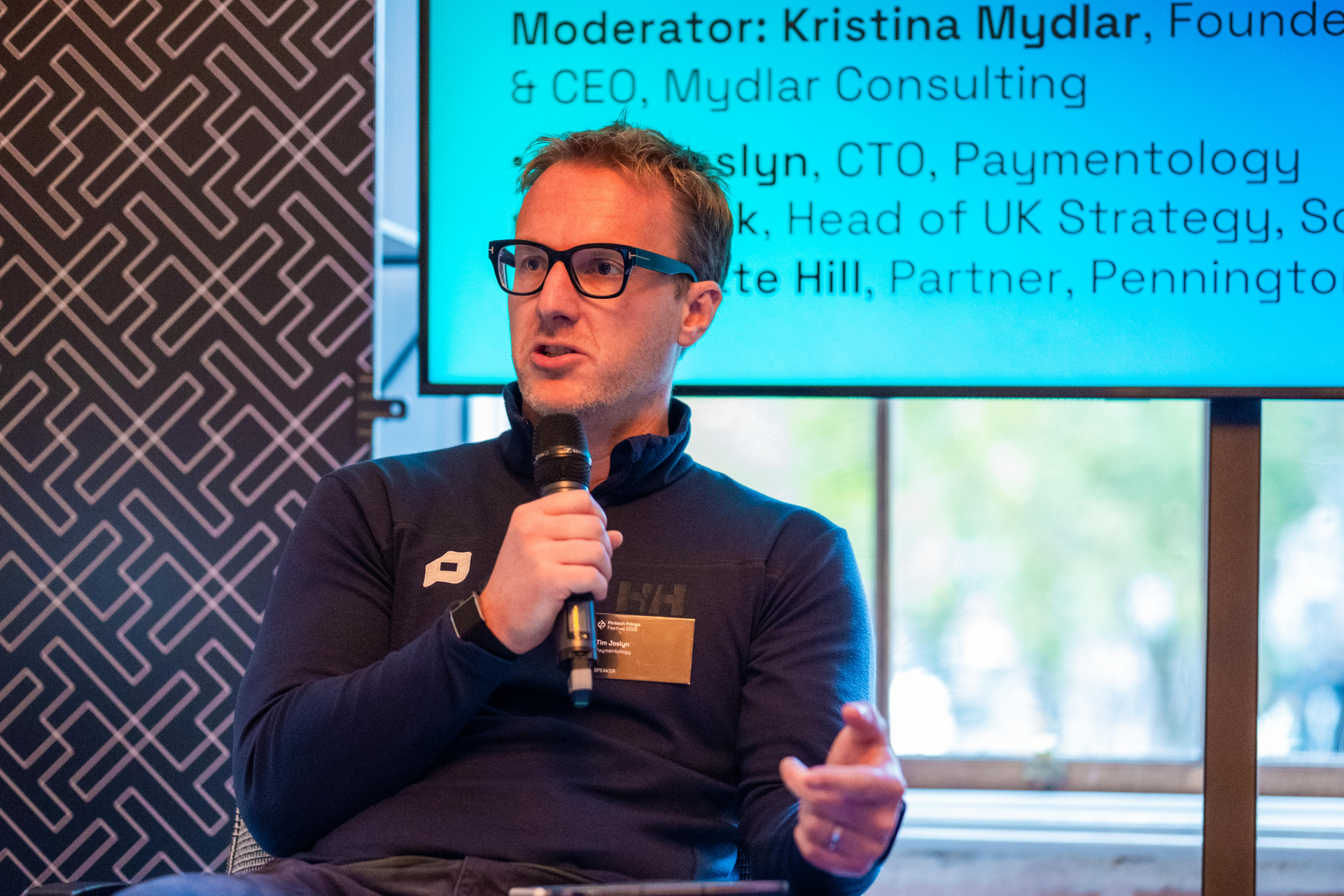
“In the payments world, trust is about consistency. If the technology is invisible but the outcomes are always right, you win. But when things go wrong, you build loyalty by being incredibly clear about what happened and how you are fixing it in real-time.”
Tim Joslyn, CTO, Paymentology
Proactive ethics in hyper-growth
As fintechs scale, the pressure to move fast collides with the need for ethical guardrails. The most loyal customers are the ones who feel the firm genuinely has their interests at heart – which means using AI to protect people from themselves, spotting the early signs of financial distress or problem gambling before they take hold.
Used that way, data turns a vendor into a partner. That sense of responsibility is what separates a commodity app from a brand people actually love.
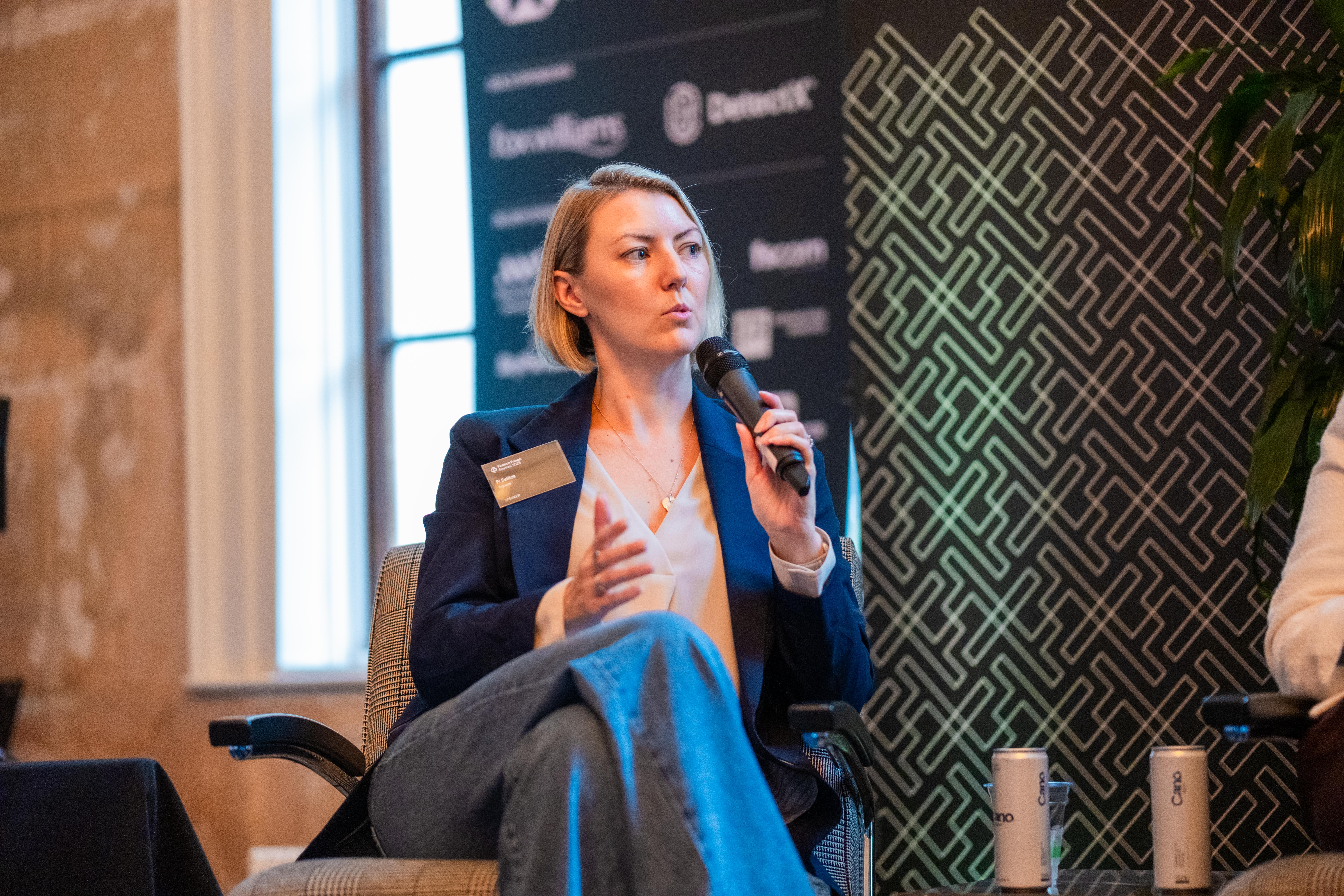
“AI gives us the power to be a 'financial co-pilot' for our users. Loyalty doesn't come from a rewards program; it comes from the customer realizing that your technology is actually helping them live a better financial life.”
Fi Sellick, Head of UK Strategy, Square
The takeaway
Trust has moved from “trust us” to “let us show you”. Build explainable models, use design to humanise automated interactions, and use data proactively to protect customer wellbeing, and you earn a kind of loyalty that insulates you from the race to the bottom on price.
The Scaling Checklist
Run the “why” test. If your customer-facing team can’t explain exactly why an AI made a decision for a specific user, your black box is a brand risk.
Audit your human hand-off. Map where the AI might fail and make sure there’s a frictionless path to a human expert at those points.
Protect proactively. Find one way to use AI to flag a potential financial problem before it happens – that advocacy moment is the strongest loyalty builder you have.
These perspectives are drawn from a Fintech Fringe panel on the future of trust in fintech, moderated by Kristina Mydlar (Mydlar Consulting), with Charlotte Hill (Penningtons Manches Cooper), Tim Joslyn (Paymentology) and Fi Sellick (Square).
Get Involved with Fintech Week London
Attend • Exhibit • Speak • Sponsor • Host
The future of trust in fintech is one of the conversations on the Trust as Currency track at this year’s Summit, themed Growth + AI. Fintech Week London runs 7–11 September: five days across the city, built around the two-day Summit on 9–10 September, where founders, investors, operators and regulators come to connect, collaborate and do business in the world’s number one fintech ecosystem.