AI vs. The Old Guard: Rewiring the Plumbing of Finance
AI is collapsing the cost of building financial infrastructure. The advantage is shifting from the banks that built to last to the fintechs that build to evolve.
Financial infrastructure is the rigid, mostly invisible plumbing of the world economy. For decades it has been defined by its slowness, protected by heavy capital requirements and a build-to-last philosophy that prized stability over speed. On that terrain the incumbents always held the upper hand through sheer size.
That economics is now flipping. AI is rewriting the cost of building, testing and shipping code, and the edge is moving toward firms whose infrastructure is not just stable but designed to keep changing.
The shift to near-zero-cost code
The biggest barrier to scaling infrastructure has always been the cost and time of writing, testing and deploying secure code. AI is steadily destroying the marginal cost of development. Where a new feature once needed a multi-year roadmap and millions in capital, AI makes disposable code possible – build several versions of a solution at once, test them in a live sandbox, and throw away the ones that fail.
That is a real tactical advantage. A scaling firm can trade a rigid roadmap for a fluid development cycle where the infrastructure grows alongside the customer base. By the time a legacy institution has cleared its internal hurdles to plan one release, an AI-native fintech has versioned and refined the same feature three times over.
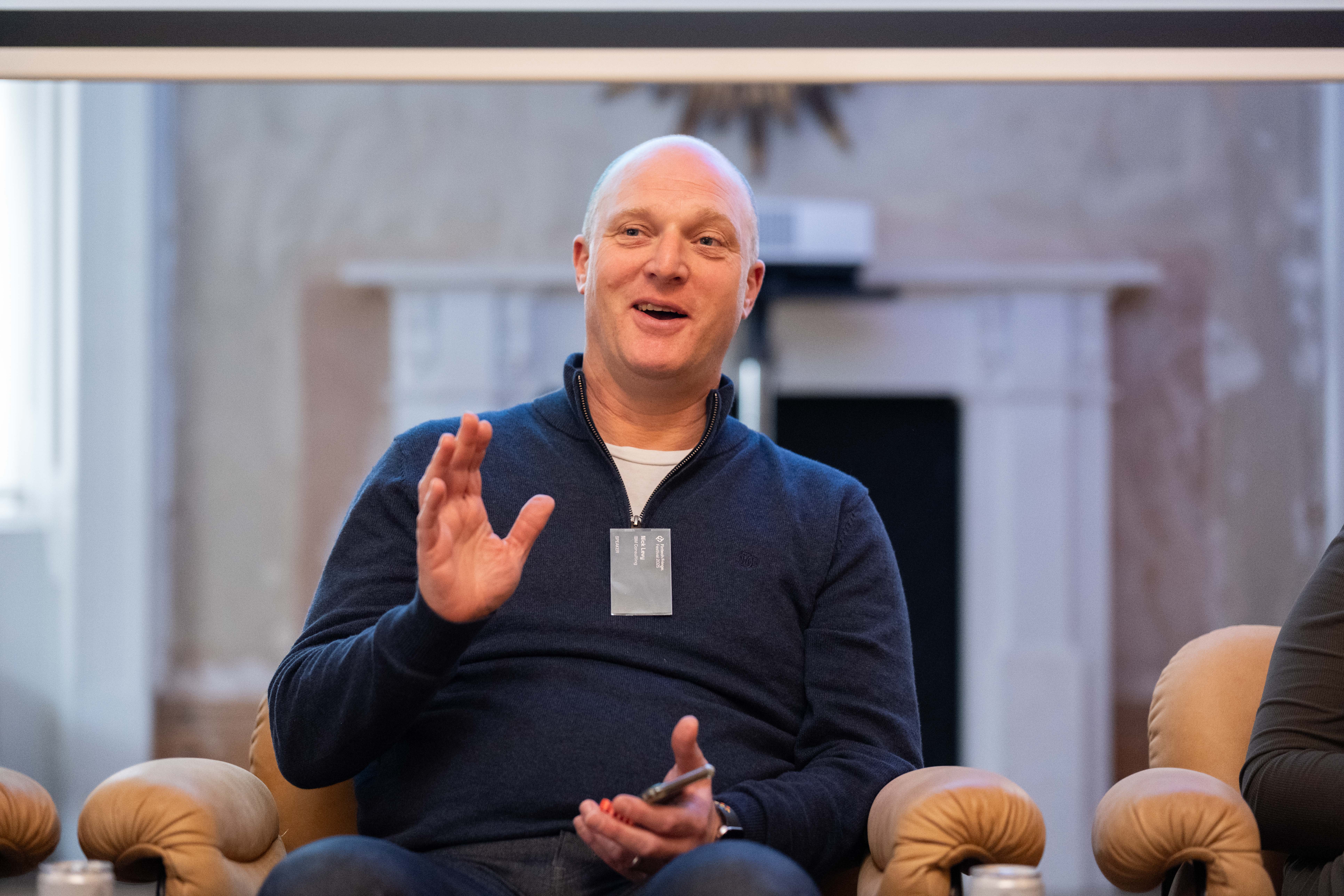
“A line of code is essentially going to cost you almost zero. This allows organisations to move from a ‘build to last’ mentality to a ‘build to evolve’ mentality, which is a total shift in how financial plumbing is designed.”
Nick Levy, Client Partner, IBM Consulting
Target the pinch points, not the core
Founders often try to take on the core banking rails head-on. The more pragmatic move is to leave the core alone and attack the pinch points – the high-volume junctions like fraud monitoring, data normalisation and onboarding where legacy systems buckle under pressure. The aim is to push intelligence into those junctions so transaction volume can grow tenfold without a matching jump in the size of the operations team.
For a startup, the focus stays on the immediate application of technology to those friction points. While the Old Guard plans the infrastructure of the future, the winners are fixing the broken infrastructure of today.
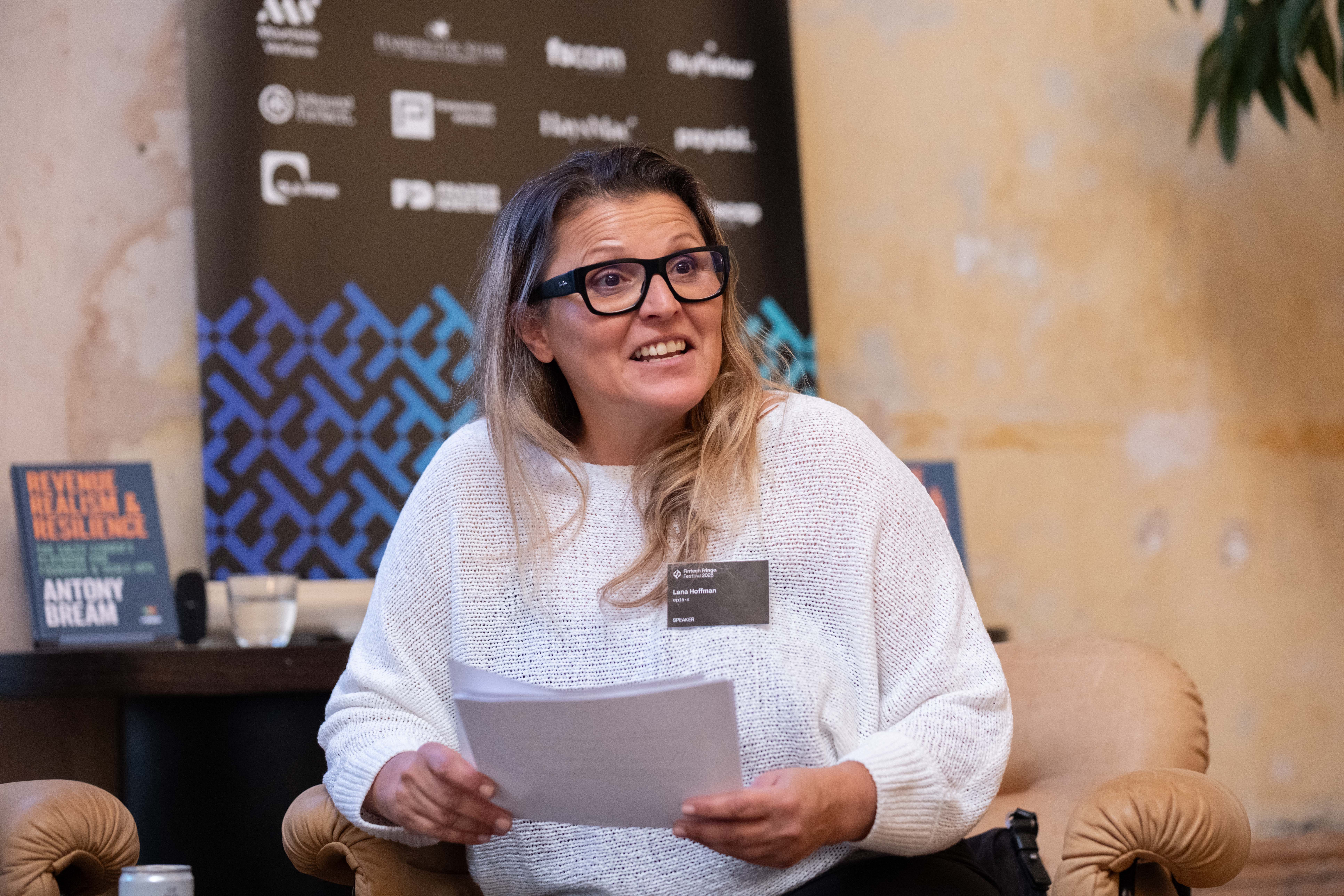
“AI is not anymore what happens tomorrow; it is actually happening today. The goal is to take immediate lessons from the front lines and apply them to the legacy infrastructure of yesterday.”
Svetlana Hoffman, Founding Partner, epta-x
Eliminating the post-lunch dip
The hardest part of scaling risk and compliance has always been the human element. People are expensive, they tire, and their judgement drifts over the course of a day. Machine-led infrastructure scales safely precisely because it does not fluctuate with the clock or the complexity of the data in front of it.
The play is to move the repetitive, high-stakes decisions to the machine and keep humans for the strategic gut check. The remaining challenge is less about the technology and more about culture – convincing partners and legacy players to trust the consistency of the data over human intuition.

“The machine does not have a post-lunch dip in its risk assessment. Our challenge is convincing the Old Guard to trust the data over the human gut. AI provides a consistency that humans physically cannot match.”
Karen Ruddich, CEO and Co-Founder, sherloc / ELEMENTARYb
Building for regulatory provenance
The final hurdle is scrutiny. As a firm grows it moves from the innovation phase into the audit phase. If your infrastructure leans on a black-box model that cannot explain why a transaction was flagged or a loan refused, you are building a liability rather than an asset.
Scalable infrastructure has to be audit-ready from day one. The next wave of winners will lean on guardian models – AI systems built specifically to monitor and explain the decisions made by other AI. Success in a regulator’s eyes is no longer about how fast you process data; it is about how clearly you can explain the logic behind it.
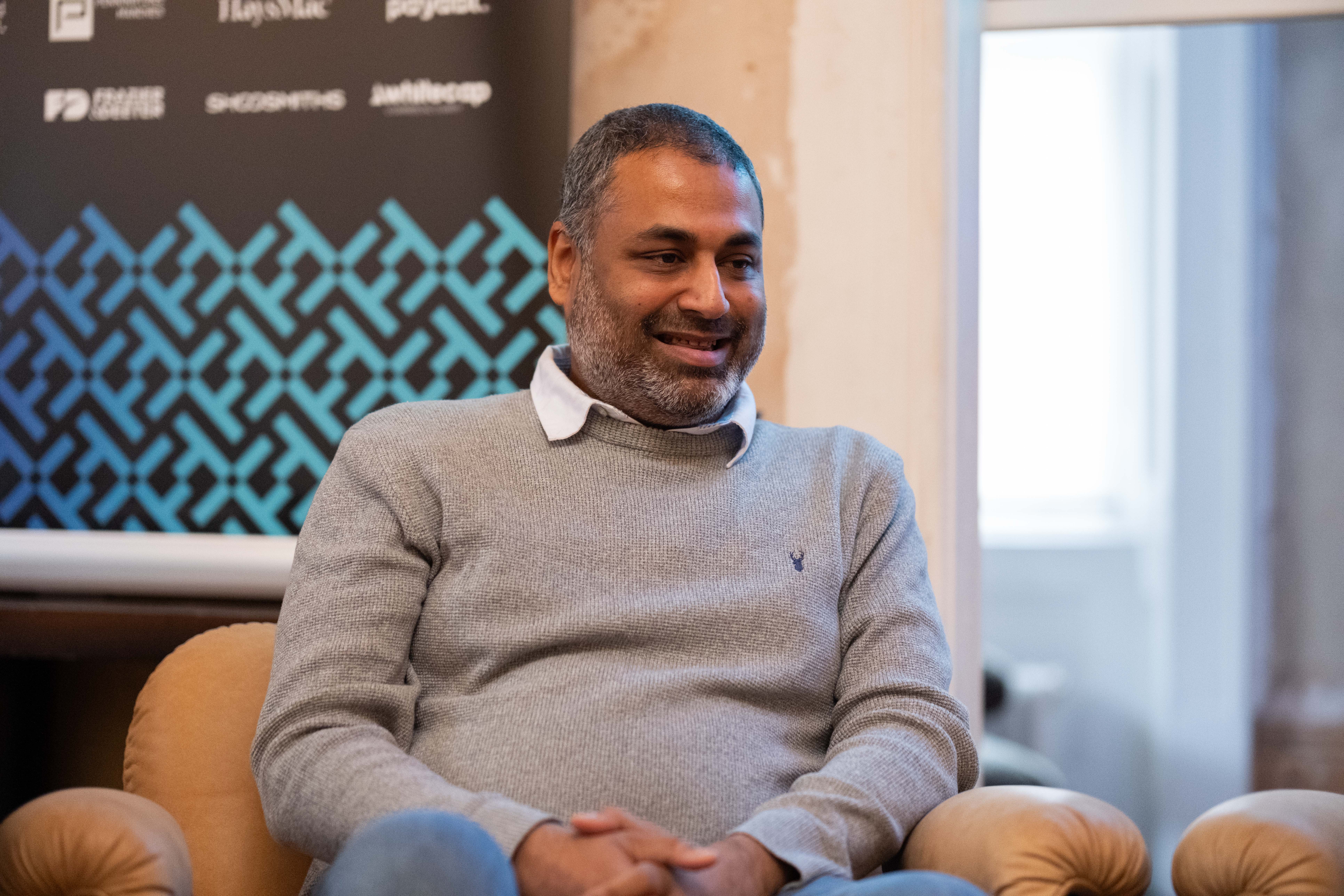
“The provenance of the decision is now more important than the decision itself. In 2026, the question won’t be ‘how fast can you process this?’, it will be ‘can you explain why you processed this at 2 AM to a regulator?’”
Sandi Samantaray, Builder, AI Alignment
The takeaway
Scaling against the Old Guard is a game of iteration and transparency. By using AI to push the cost of code close to zero, founders can version their infrastructure fast and aim it at the highest-friction pinch points. The goal is a system that is consistent, machine-led and able to explain its own logic to a regulator at a moment’s notice.
The Scaling Checklist
Identify the clog. Find the one back-office process that demands the most manual data cleaning. That is where your infrastructure rewire should begin.
The three-to-one build test. Challenge your engineering team to build three versions of your next back-end feature with AI, test them all, and keep only the one that proves most efficient in a live sandbox.
Audit your logic. Can your current AI infrastructure explain its “why” in plain English? If you can’t justify a machine-led decision to a regulator today, you won’t be able to scale it tomorrow.
Kill the waterfall. If your infrastructure roadmap is a twelve-month linear plan, you are building like the Old Guard. Shift to a build-to-evolve model where features update weekly on AI-led insight.
These perspectives are drawn from a Fintech Fringe masterclass on rewiring financial infrastructure, with Nick Levy (IBM Consulting), Svetlana Hoffman (epta-x), Karen Ruddich (sherloc / ELEMENTARYb) and Sandi Samantaray (AI Alignment).
Get Involved with Fintech Week London
Attend • Exhibit • Speak • Sponsor • Host
Fintech Week London returns 20-24September 2027: five days across the city, built around the two-day Summit on 21-22 September, where founders, investors, operators and regulators come to connect, collaborate and do business in the world’s number one fintech ecosystem.