AI as the Growth Engine: How Fintechs Are Winning with Applied AI
The experimentation phase is over. The fintechs pulling ahead are the ones using AI to change their unit economics, not to decorate a pitch deck. Here’s what that looks like in practice.
There’s a growing weariness in fintech about “AI theatre” – firms sprinkling a layer of AI over an existing product to keep investors happy, without changing how the business actually works underneath. For scaling firms, that game is up. AI now has to earn its place as a growth engine: something that cuts fraud, speeds up onboarding, and makes customer journeys work that were previously too expensive to run.
The shift is from “shiny new tool” to “revenue driver” – less about what the technology can do in the abstract, more about what it does to your unit economics.
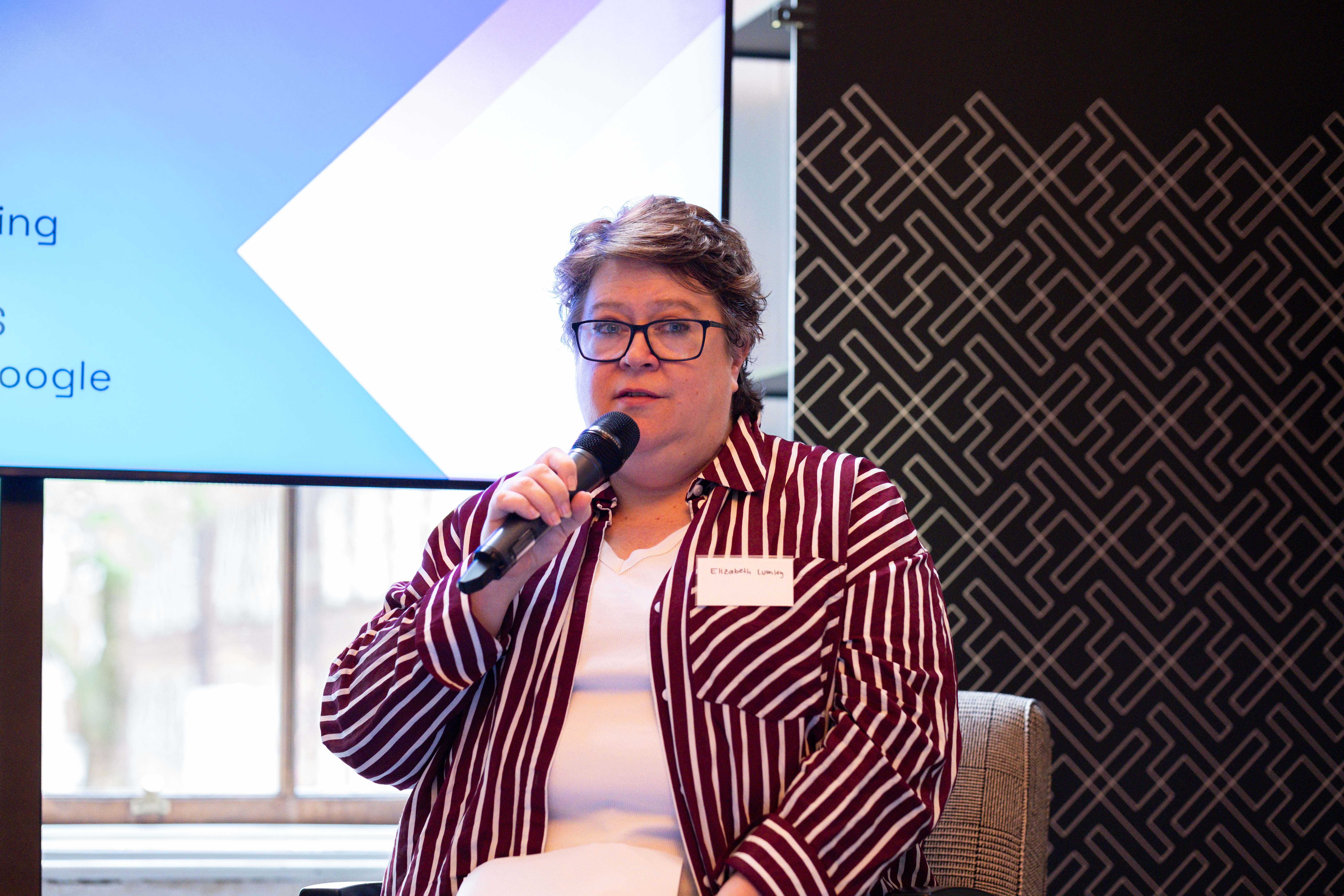
“We need to stop talking about AI as a futuristic concept and start looking at it as a pragmatic tool for growth. This is about moving past the theatre and into the reality of how fintechs use AI to slash fraud and boost revenues.”
Liz Lumley, Journalist
Moving beyond the chatbot
If your AI strategy starts and ends with a customer service chatbot, you’re missing the biggest opportunity. The real value is in “Applied AI” inside the core operating fabric – using machine learning to handle the complex middle-office work that normally needs more headcount every time the business grows.
When a fintech can automate 90 percent of its document verification or loan underwriting, it breaks the link between growth and cost. The customer base can scale while the operations team stays lean.

“ The goal isn’t to have an AI department. The goal is to have AI-powered departments. If you can automate the heavy lifting of data entry and verification, your human talent can focus on the edge cases where empathy and complex judgment actually matter.”
Teo Blidarus, CEO and Co-founder, FintechOS
Taking the friction out of onboarding
Friction is the silent killer of fintech growth. Every extra second in an onboarding flow costs you conversion. The leading fintechs are using Applied AI to move towards “zero-touch” onboarding – verifying identity and assessing risk in seconds rather than days, using computer vision and real-time data.
It isn’t only about speed, it’s about richer data. AI can read how someone interacts with an app during sign-up and flag potential fraud before the account is even open – which saves a fortune in clean-up later.

“We are seeing a move away from static data to behavioral signals. AI allows us to understand intent in real-time. If you can verify a customer and grant them access to credit in under sixty seconds, you haven’t just improved a process: you’ve built a competitive moat.”
Derek Freel, UK Head of Fintech, Cloud, Google
Building fraud detection that scales
As volumes grow, manual fraud review becomes the bottleneck. Scaling means moving towards autonomous security. AI models can now spot synthetic identities and money-laundering patterns that are invisible to human analysts and rule-based systems.
The number to watch is false positives. A fraud system that’s too rigid kills growth by blocking real customers. Applied AI does well here because it can be trained on your own customers’ behaviour, so security stays tight but invisible to the people you want to keep.

“Scaling is a risk-management exercise. You need systems that learn as fast as the fraudsters do. The winners will be those who use AI to build a ‘self-healing’ infrastructure that identifies vulnerabilities and patches them before they are exploited.”
Katharine Wooler, Chief Strategist Banking & Financial Services, Softcat
The takeaway
Winning with AI is about moving from cool features to commercial utility. Fix the middle-office pinch points, take every millisecond of friction out of onboarding, and build fraud detection that’s proactive and autonomous – and you can grow fast without being buried in operational cost.
The Scaling Checklist
Audit your automations. Name the three most manual processes in your middle office. If they don’t have an AI-led roadmap by next quarter, they’re your next scaling bottleneck.
The 60-second challenge. Measure your current time-to-value for a new customer. Use Applied AI to remove any step where a human checks a document a machine could read.
Watch your false positives. If your block rate is climbing as you grow, your fraud models need to be more granular before they start killing conversion.
These perspectives are drawn from a Fintech Fringe panel on applied AI, with Liz Lumley, Teo Blidarus (FintechOS), Derek Freel (Google Cloud) and Katharine Wooler (Softcat).
Get Involved with Fintech Week London
Attend • Exhibit • Speak • Sponsor • Host
AI as the growth engine is one of the conversations at the heart of this year’s Summit, themed Growth with AI. Fintech Week London runs 7–11 September: five days across the city, built around the two-day Summit on 9–10 September, where founders, investors, operators and regulators come to connect, collaborate and do business in the world’s number one fintech ecosystem.